
Accessibility Options:
subjectId: 690773
visibleTabCount: 7
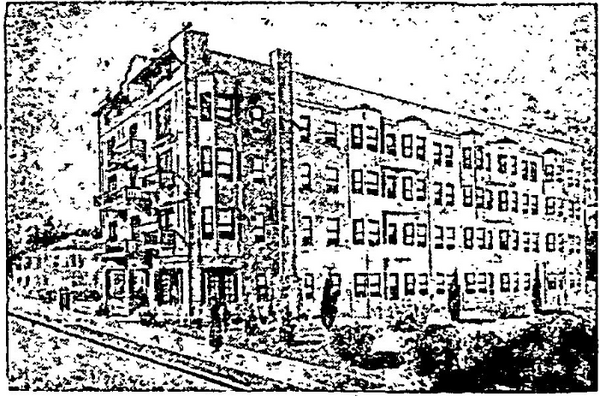
Johnson Apartments, 10th St, c.1919
Johnson Apartments, 10th St, c.1919

Bulmer Apartments, 1919
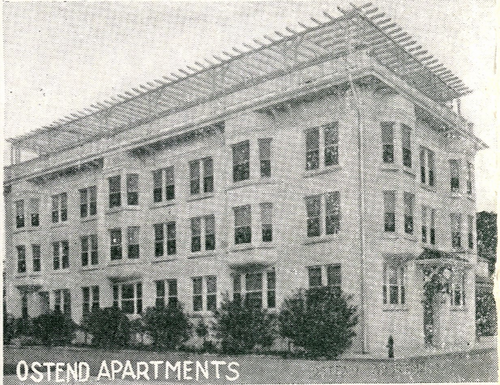
MBTS 1919
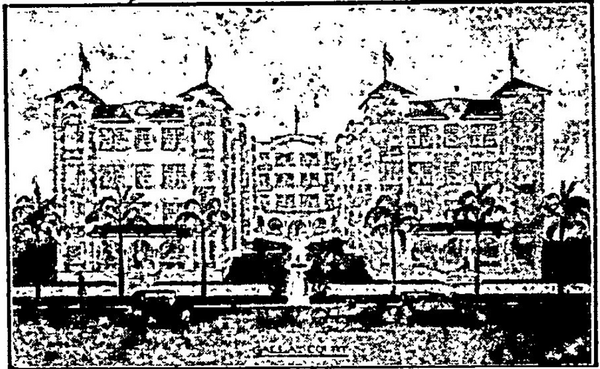
Gallat Court Hotel Apartments Expansion, 817-825 9th St, 1920

Gallat Court Apartments, c.1921
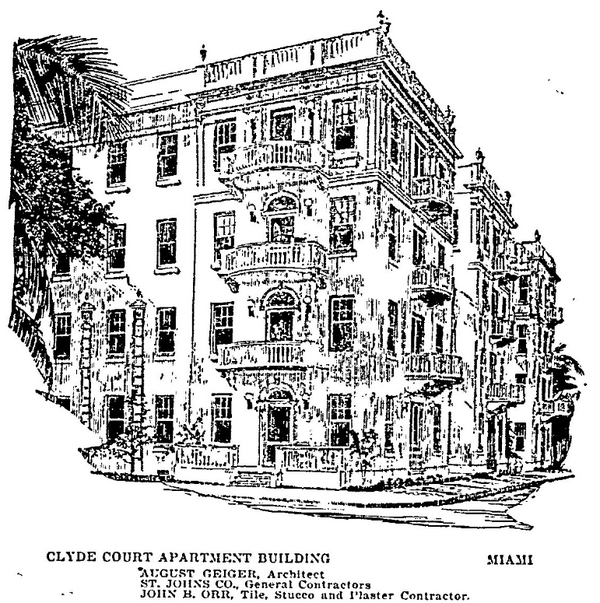
Clyde Court Apartment Building, 1922
Miami By The Sea 1919
Gallat Court Hotel Apartments Expansion, 817-825 9th St, 1920
Gallat Court Apartments, c.1921
Clyde Court Apartment Building, 1922
Miami By The Sea 1919
MBTS 1919
Bulmer Apartments, 1919



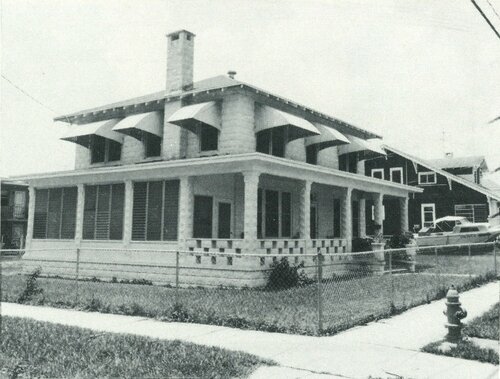


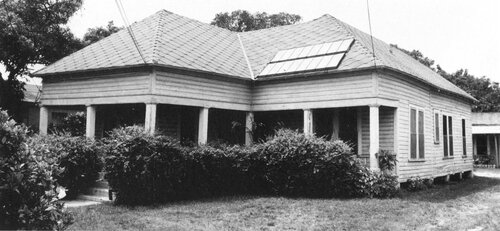

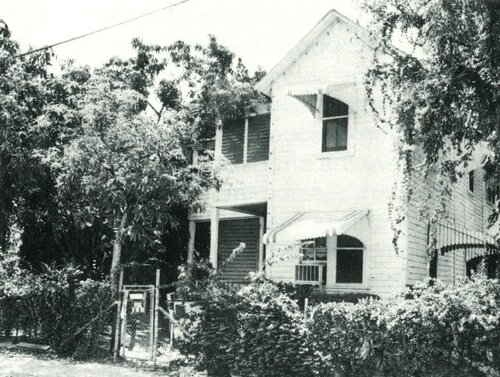
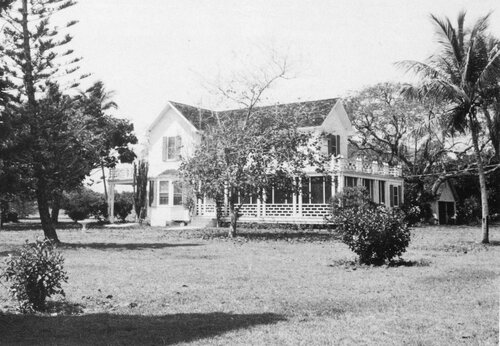

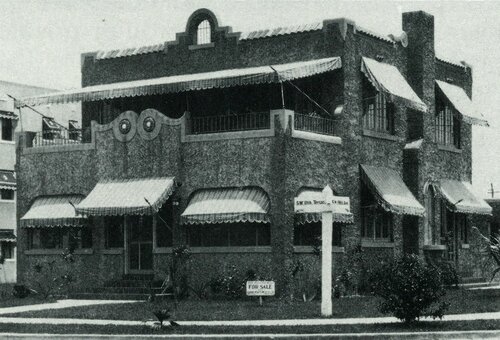


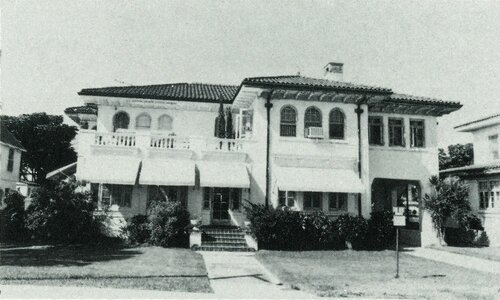
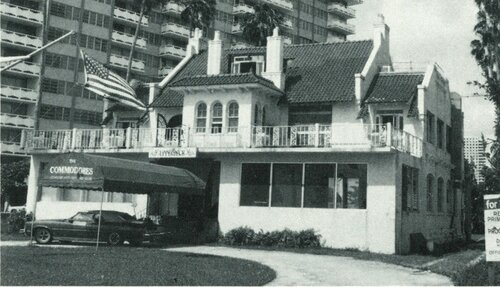
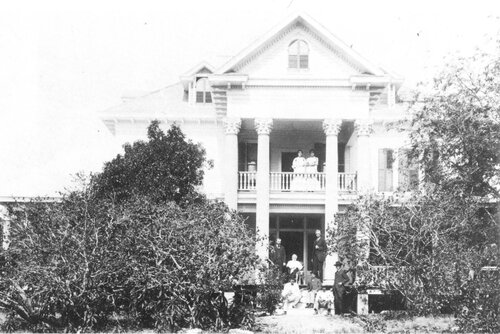

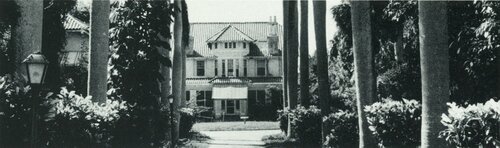
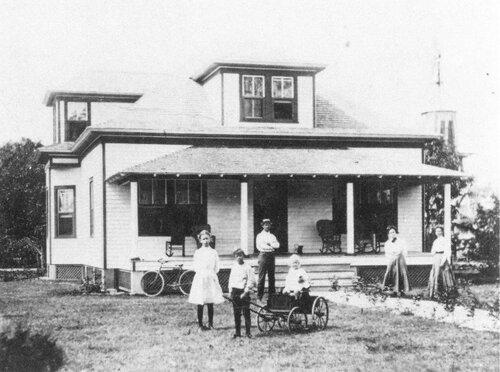
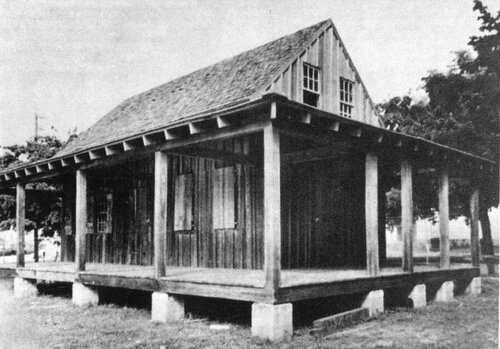
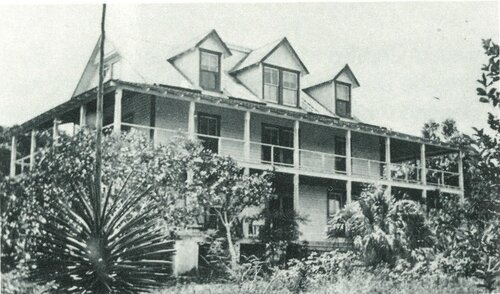
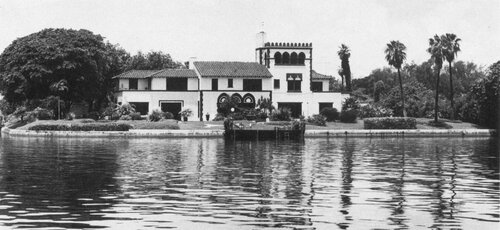


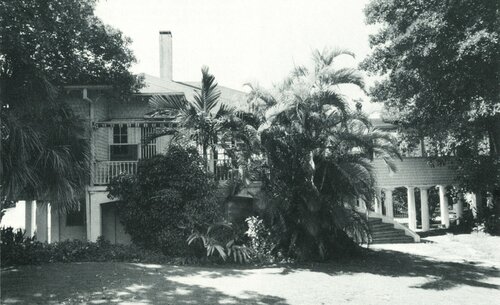
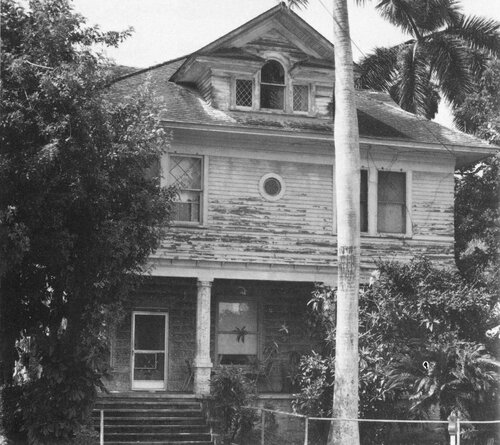
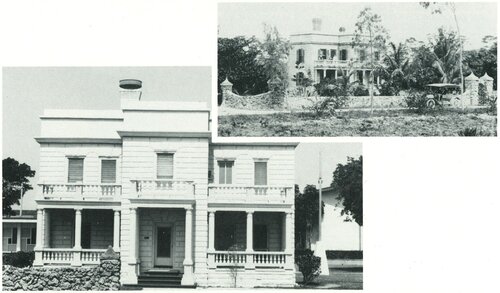

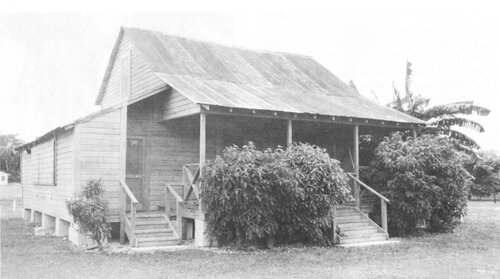
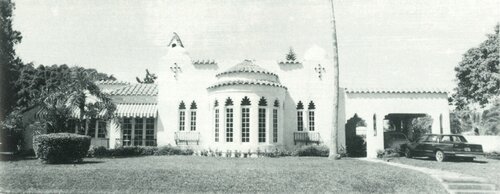

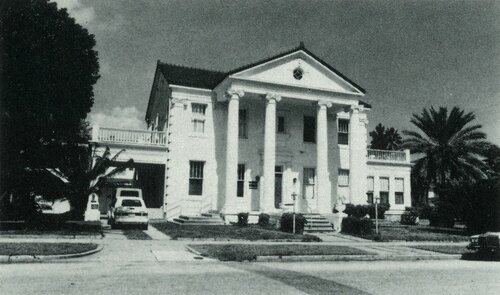

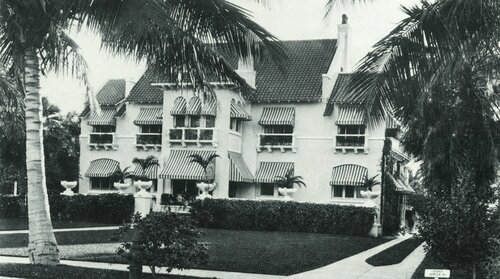




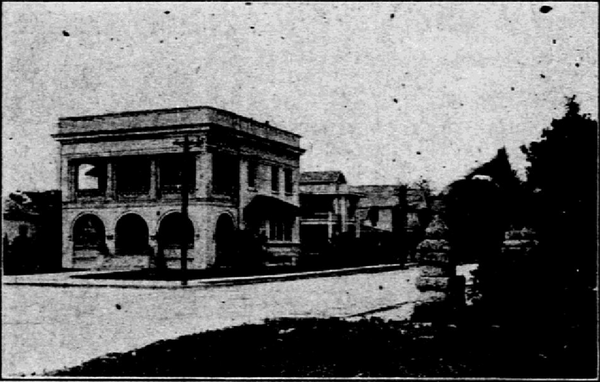
EA Waddell Residence, 1911, 10th St and Ave A
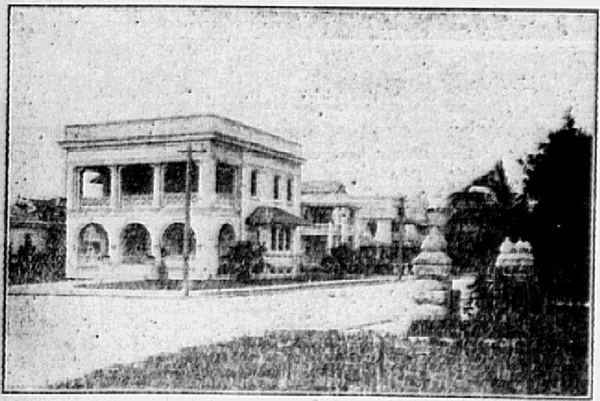
E.A. Waddell Residence, 1912

E.A. Waddell Residence, 1909
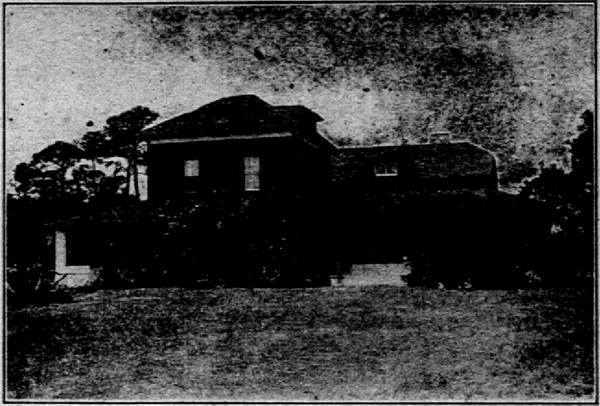
Kirk Munroe Residence, Cocoanut Grove, c.1911
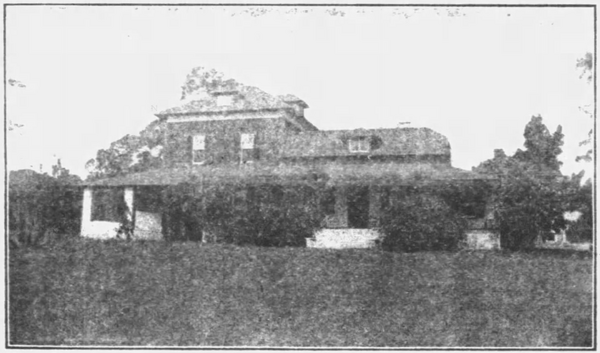
Kirk Munroe Residence, 1909
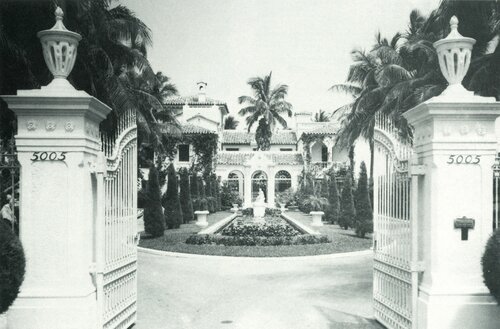
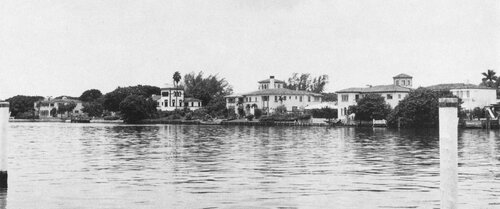
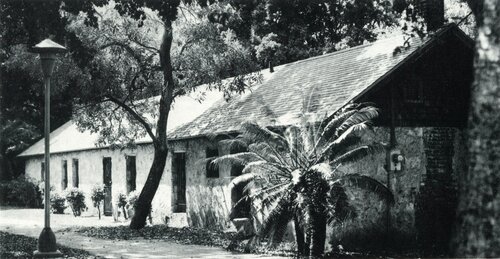

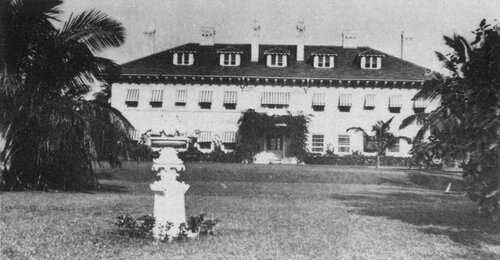
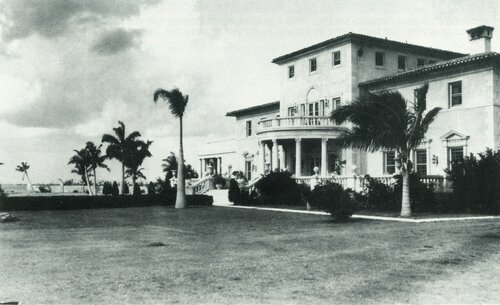
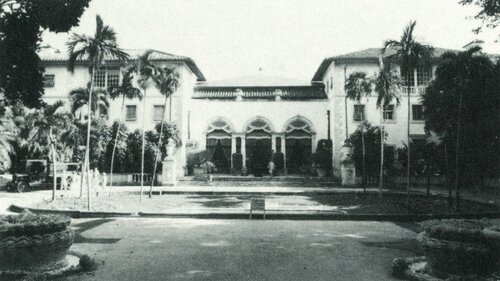
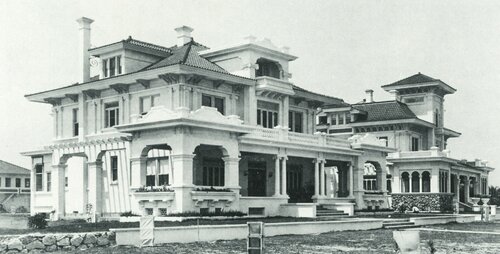

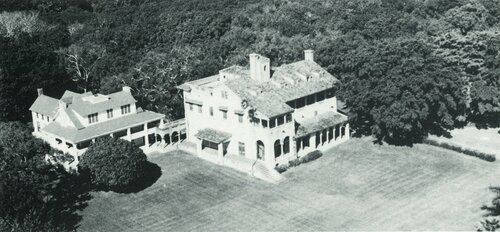


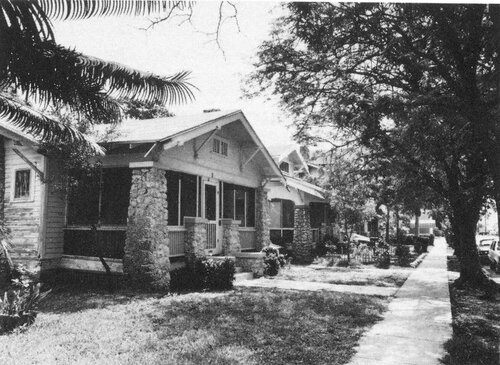

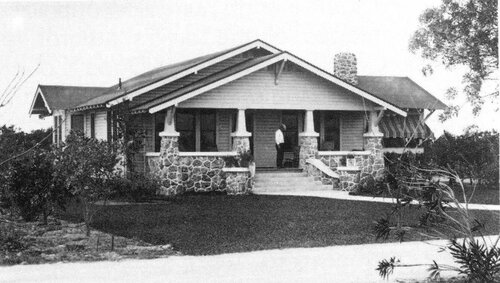

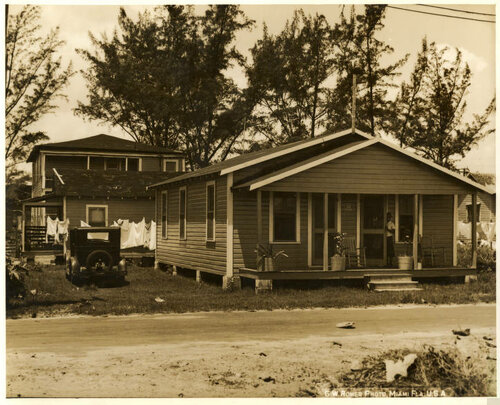
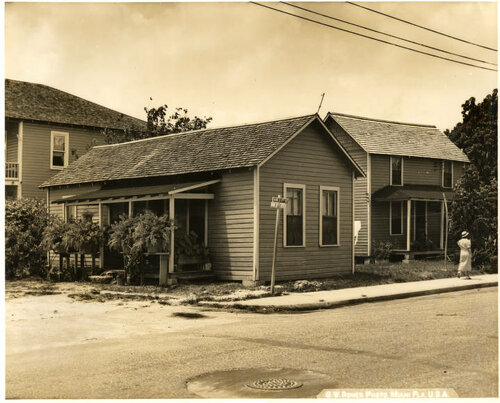
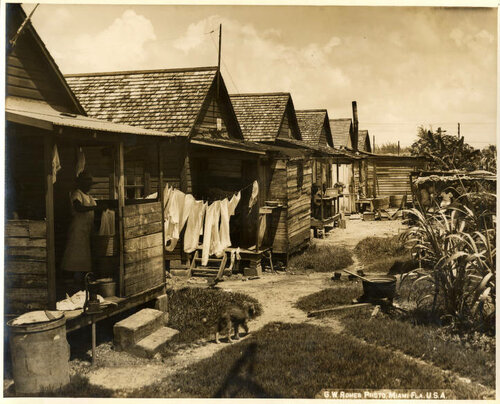
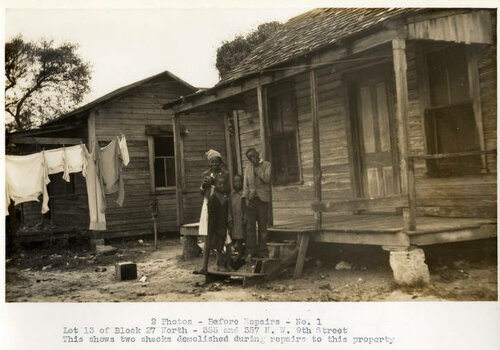

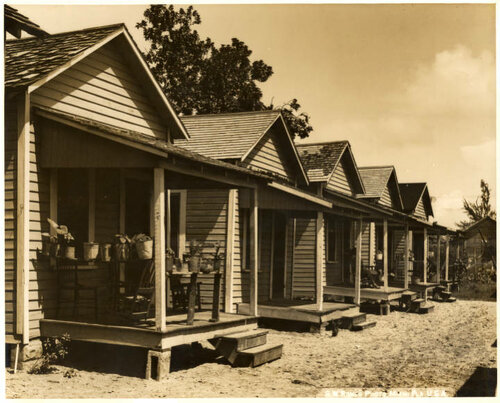
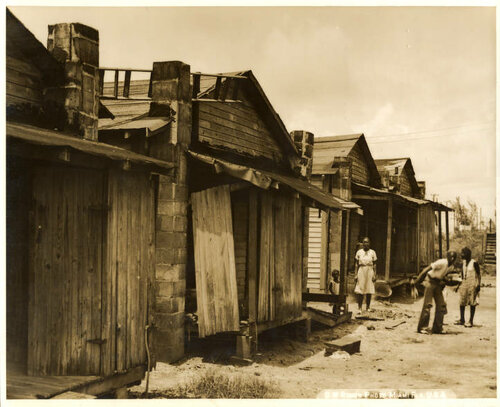

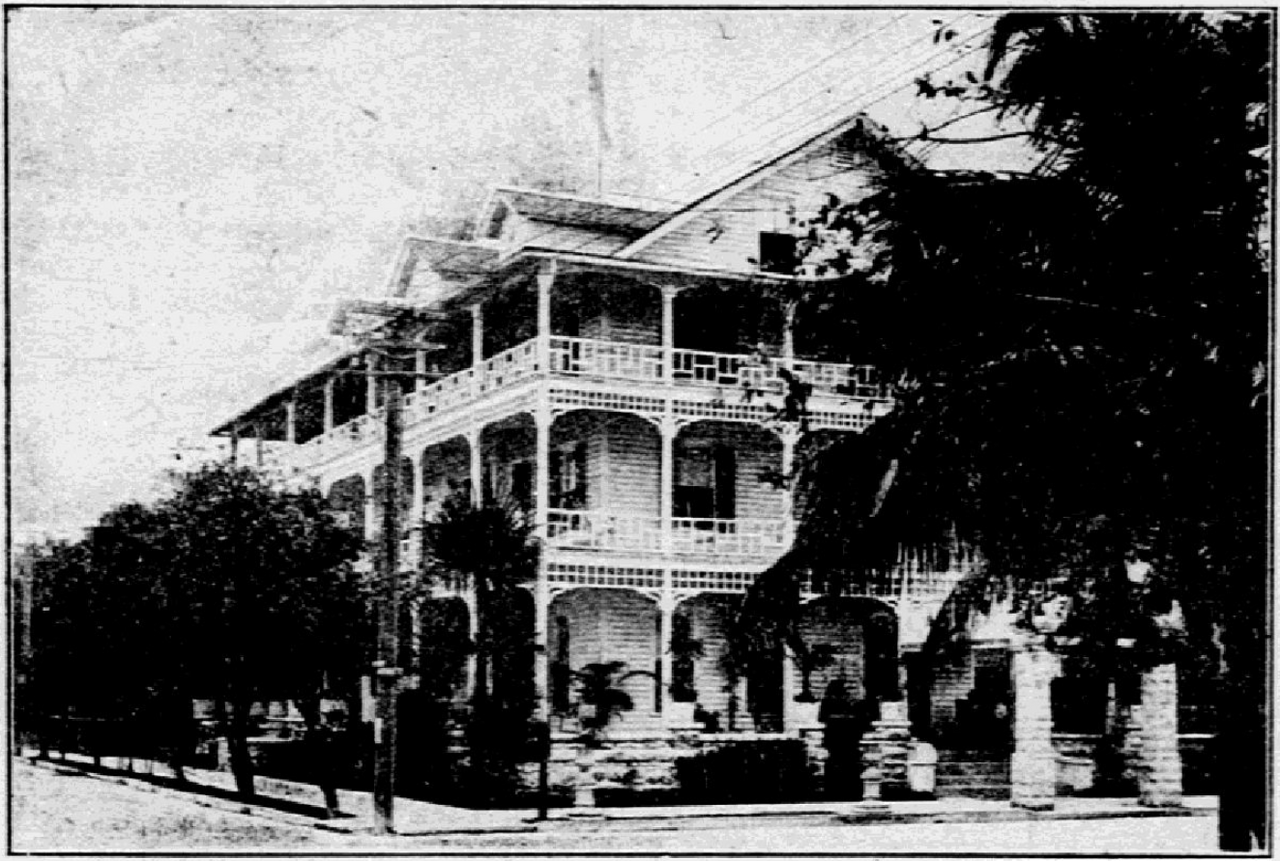
Gralynn Hotel, Ave C and 14th St, c. 1911
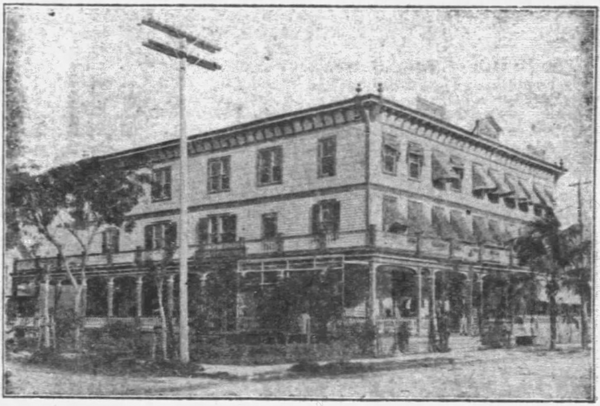
Gralynn Hotel, 1909
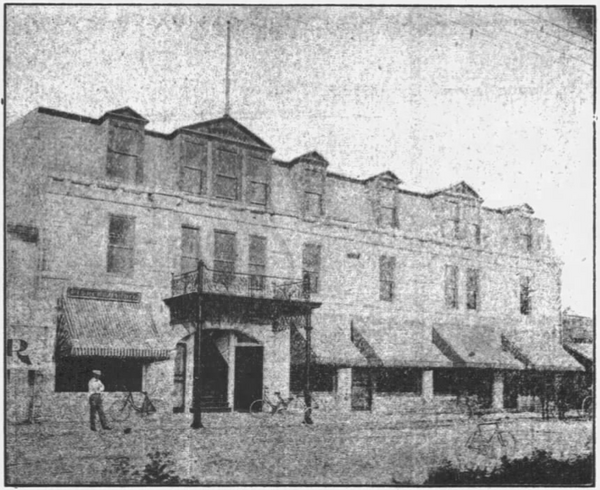
Wells Hotel, 1909

Central Arcade Building Entrance, NE 1st St, 1922
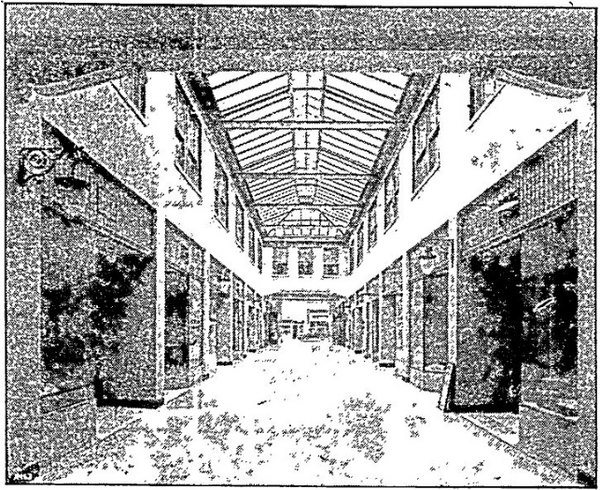
"View of the Interior of the New Central Arcade", 1922

Central Arcade Building from Flagler St, 1922
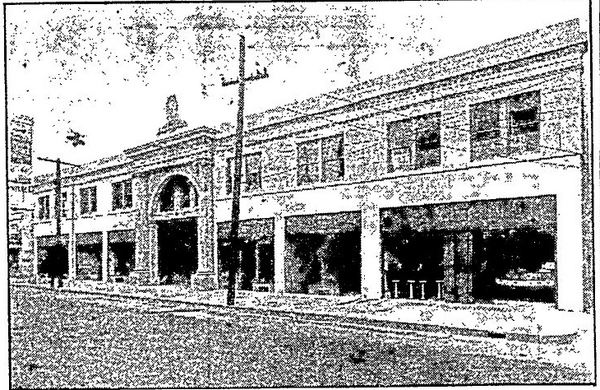
"Front View Seybold Central Arcade Building NE 1st Street", 1922
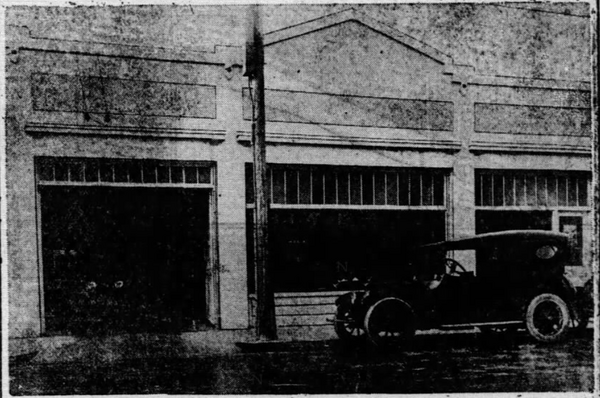
Mrs McAllister's Garage, 13th St, 1916
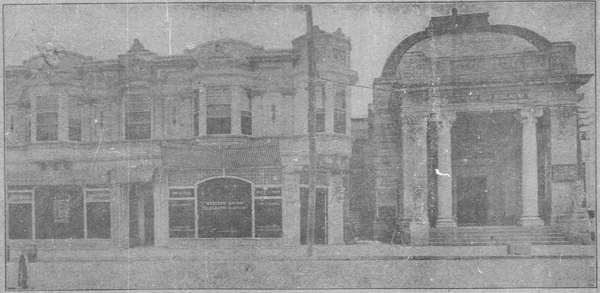
Bank of Bay Biscayne and Biscayne Bank, c.1911
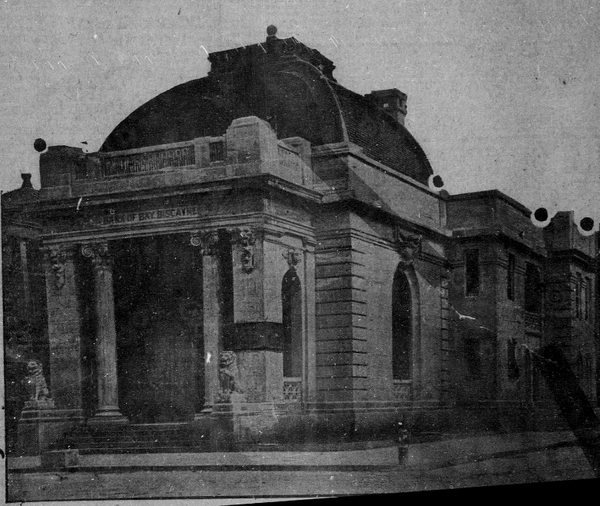
Bank of Bay Biscayne, c.1913, Oldest Bank in Miami
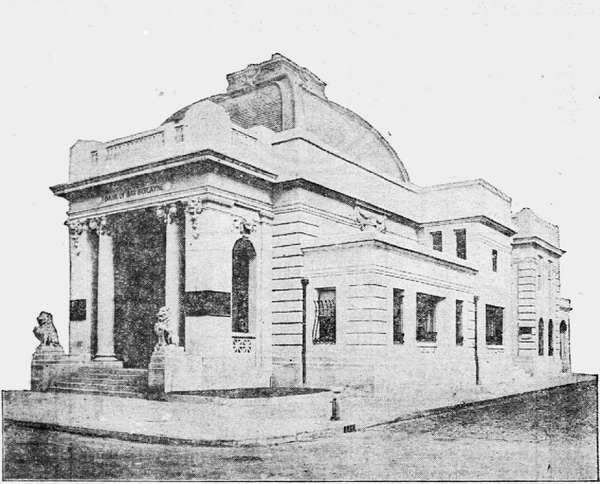
Bank of Bay Biscayne 25 year anniversary, 1921

Bank of Bay Biscayne under construction, W Flagler St, 1925
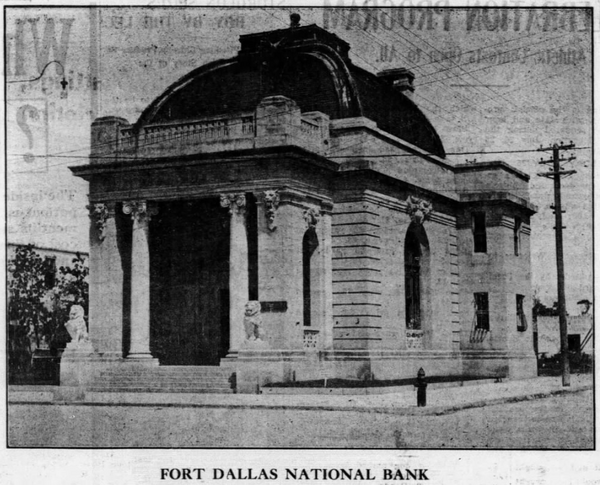
Fort Dallas National Bank, 12th St and Ave D, 1903, later Bank of Bay Biscayne?

Bank of Bay Biscayne, 1916
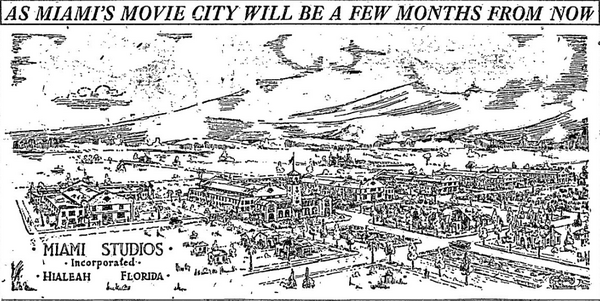
Miami Studios, Hialeah, Drawing, 1921
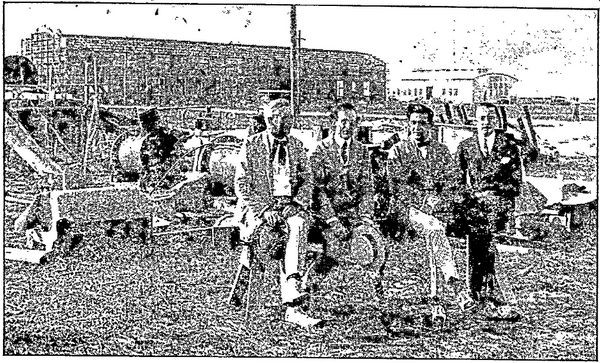
Miami Studios First Building (left) and Laboratory (right), 1922
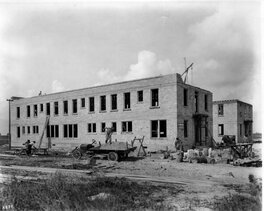
"Hotel Construction for Miami Studios", Hialeah, 1922
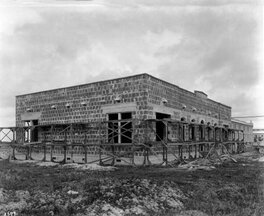
Miami Studios Laboratory under construction, Hialeah, 1922

Miami Studios Power Plant, Hialeah, 1922
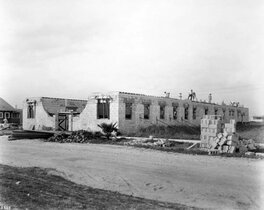
Miami Studios Laboratory Under Construction, 1922
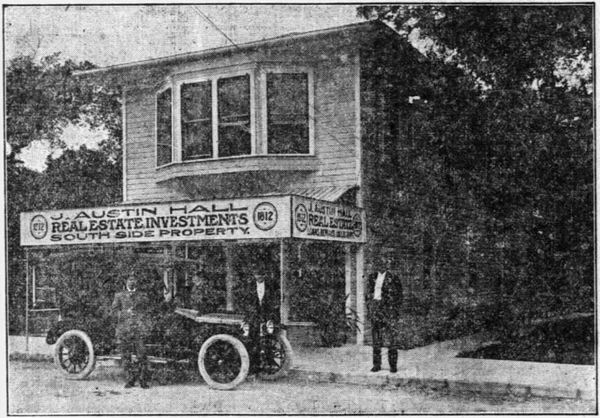
J. Austin Hall Office, 1915
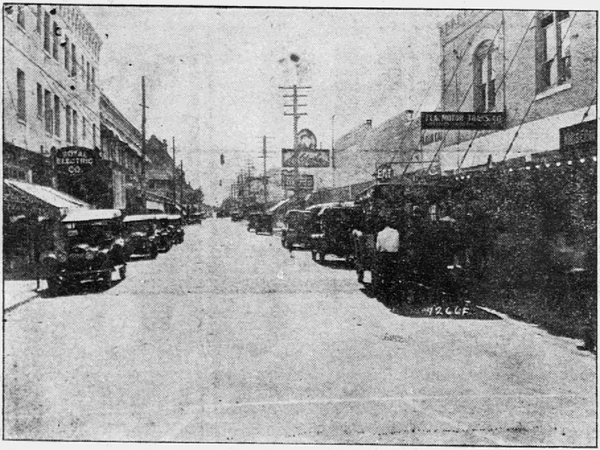
Miami Avenue from Flagler St, c.1921
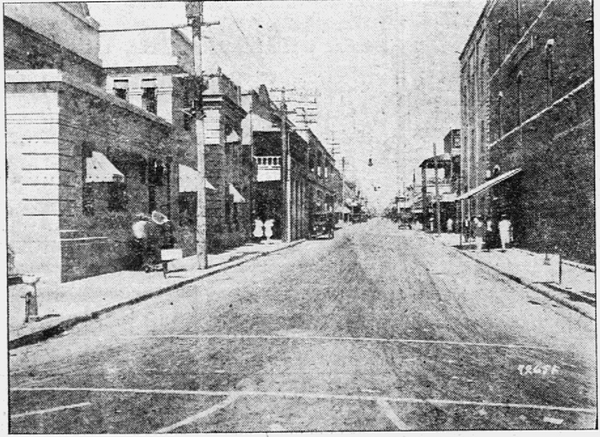
Miami Ave looking North from Flagler St, 1921
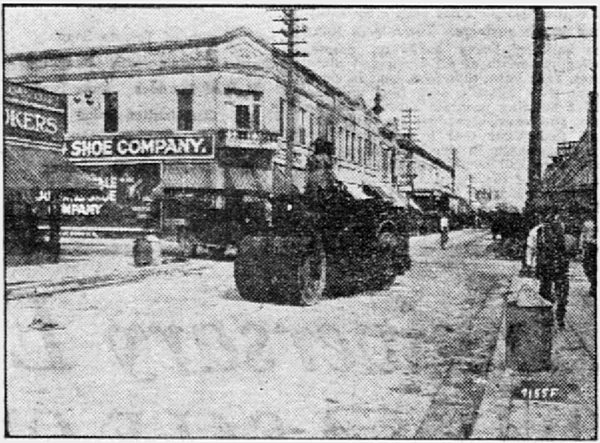
"Completing the First North Miami Avenue Block", 1921
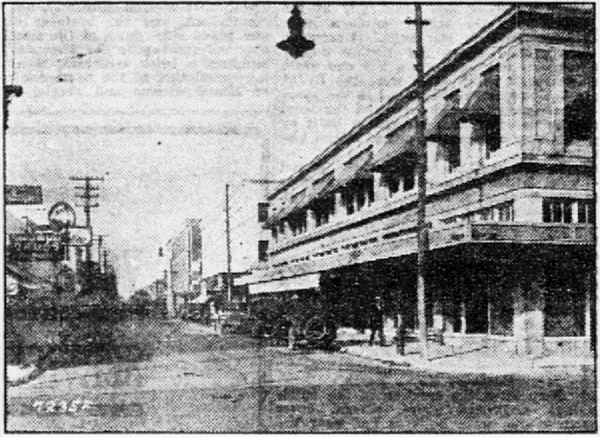
"A Busy Block in South Miami Avenue", 1921

North Miami Avenue from First St, 1921
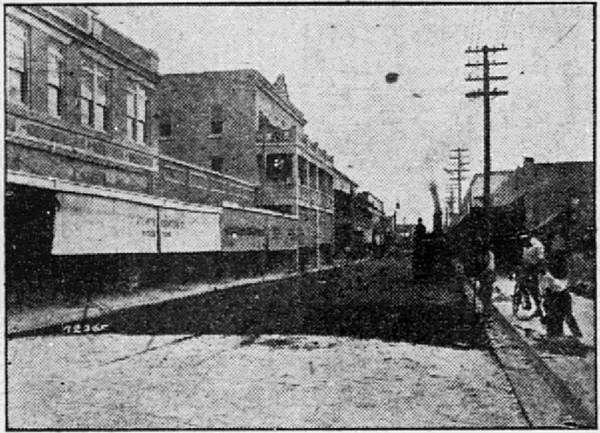
"Putting Down Asphalt on North Miami Avenue", 1921
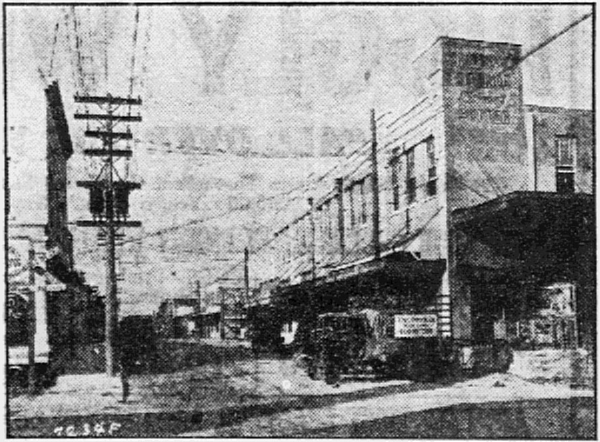
"Miami Avenue North of Railroad Crossing", 1921

"North Miami Avenue, Showing New Paving", 1921
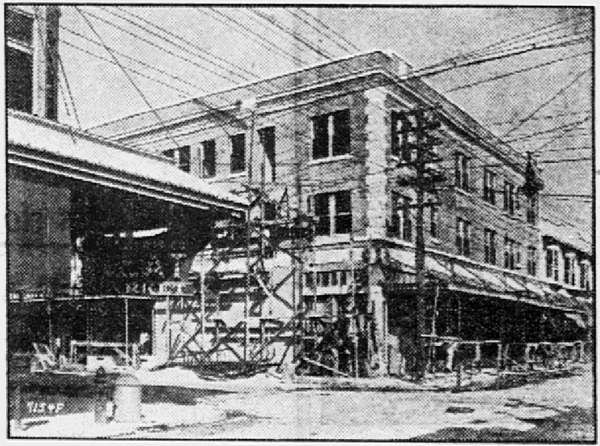
"Building Activity is Brisk on North Miami Avenue", 1921
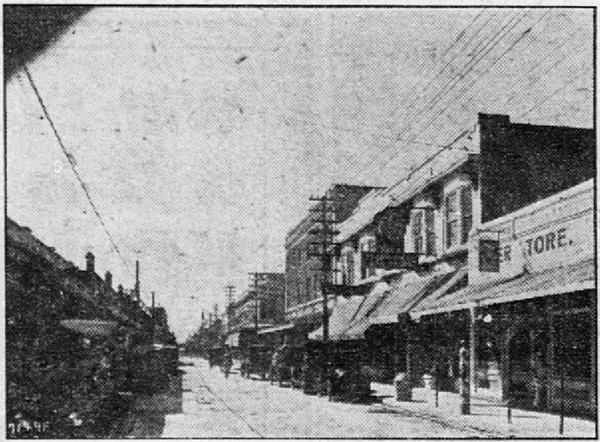
"Busy Scene on North Miami Avenue", 1921
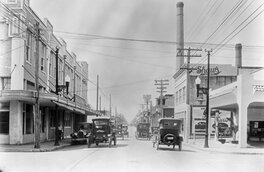
"Looking South on Miami Ave from 7th St", 1924
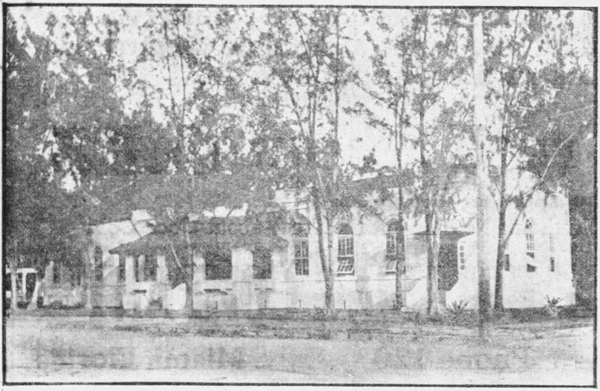
Womans' Club and Public Library, 1913
Understanding the Guide
This guide is categorized by housing typologies; apartment buildings, single family homes, hotels, commercial buildings, and civic buildings, which can be browsed through their respective tabs above.
Each category includes examples of buildings that existed in the City of Miami before 1926, and, when available, include images and links to newspaper articles or the sources where the information was found.
Welcome to the City of Miami Architecture Guide!
We welcome you to explore the architecture and urban development of the young, sub-tropical city of Miami. The marketing of Miami as a vacation city contributed to establishing its unique identity.
These resources are meant to be used for potential housing typology case studies that enable the study of urban and architectural transitions in the City of Miami.
The intention of this project is to inspire conversations on the subject of Miami, to provide a place to admire --and criticize,-- how our architectural patterns have changed, evolved, been forgotten, been upgraded, all in advancement of a brighter future.
-- Created by Sebastian Serrano, B.Arch 2025 --
Housing Typologies
Resources
The following resources present information the architecture of the city, helping to understand the city's urban conditions and patterns, as well as social and cultural practices.
A variety of resources will be provided, from organizations and sites dedicated to explaining the history of our City, to journals and newspapers, to literary works about figures who lived and helped build the region.
University of Miami Library Digital Collections
Florida Atlantic University Digital Library
Miami-Dade Public Library System
Gleason Waite Romer Photograph Collection
Sanborn Maps
To get a better understanding of Miami's development, explore the Sanborn Maps. Just fill out the State and City to check how Miami changed in time, from 1899 to the 1950s, as properties where sold and developed.




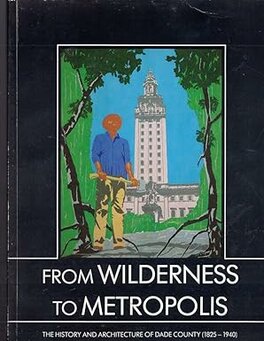
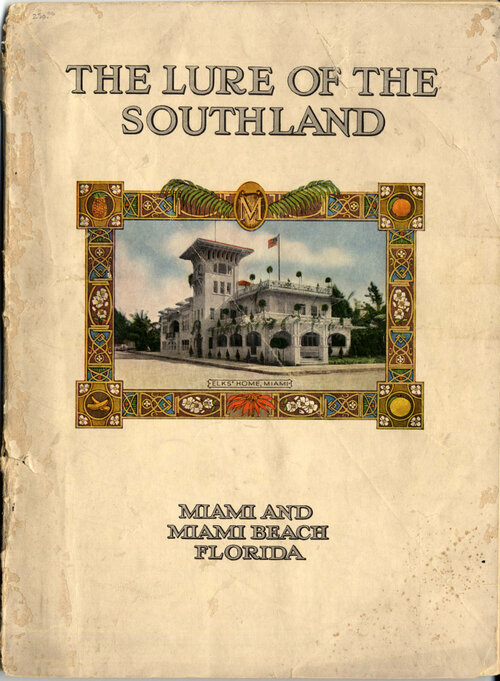
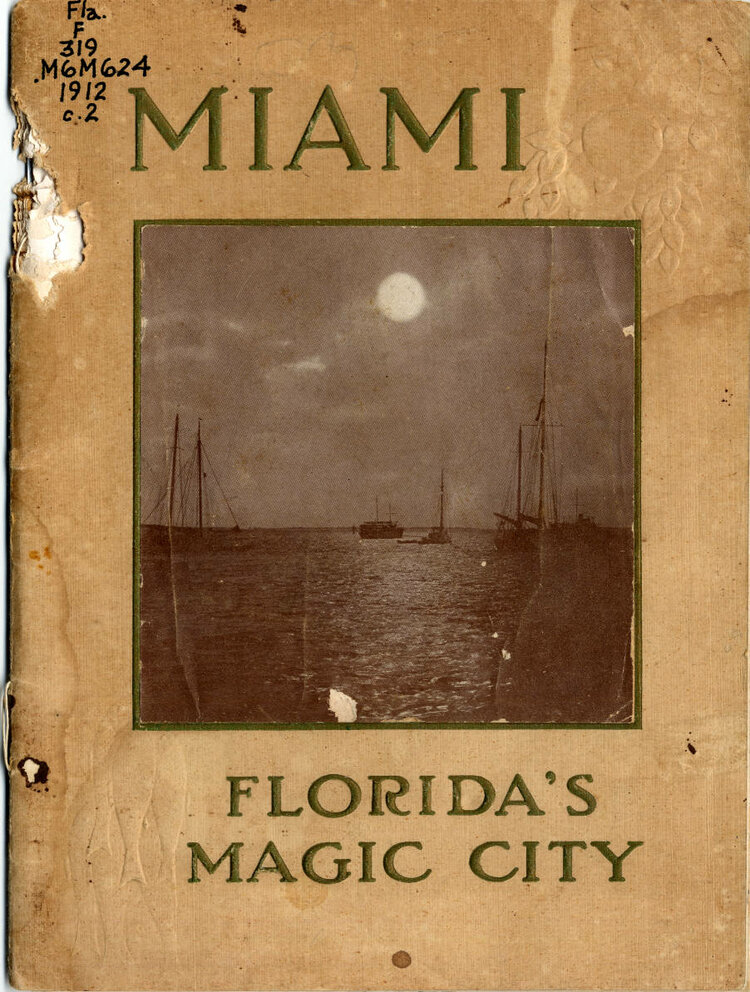
The Dade Heritage Trust preservation activity book : Dade County's early history through architectur
Miami by the Sea Series, Chamber of Commerce
A Black Perspective
The African American presence in Miami is core to its cultural diversity. Since before the City's incorporation, and even in the incorporation vote, Miami's black population has helped form the city in a variety of ways. The resources in this category showcase some of the ways in which this happened before 1926, but also beyond.
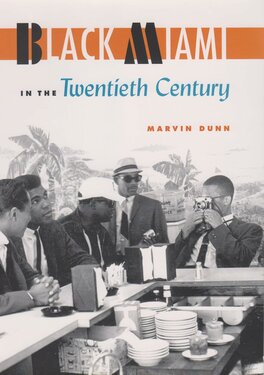

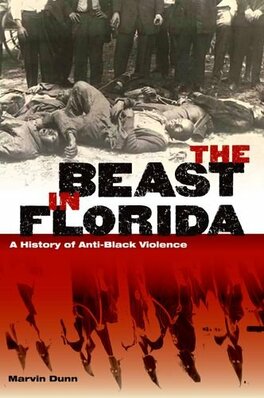
Dr. Paul S. George's Books on Miami




History Miami: Miami Moments Series
In this series of videos, HistoryMiami's resident historian Dr. George discusses several important events, people and conditions of the history of Miami. The series is composed of 15 videos, but below are only the ones considered most relevant to understanding pre-1926 Miami. You are invited to explore the entire series in HistoryMiami's Youtube Channel.
Apartment Building Typology
Today, apartment buildings are the most common typology for new developments in Miami. As the city has grown, the necessity for density has increased. The limitations imposed by Miami's stict building codes exacerbate this, and often developers view the apartment typology as the only feasibly profitable business model. This section of the guide will provide samples, many of which do not exist anymore, in an effort to explore the development of this type in the region.
Many of Miami's historic buildings have been lost to time, replaced by newer developments as the interests of investors, residents, and civic institutions change. The majority of these disappear without a trace, and conservation efforts in the city are rather young initiatives and often struggle to keep up with the city's growth. Collections such as this protect the memories of those forgotten structures that once meant so much to the people who lived in them. Many do not necessarily offer any sort of architectural innovation or their value is now outdated, you might argue, but may leave valuable lessons on vernacular architecture, architectural economics, and even sustainability in relation to place and time. The ability to see the evolution of a place through its architecture and through temporal comparisons can be essential for research, and that is the aim of this project.
Buildings With Images Available
Chamberlain Apartment House
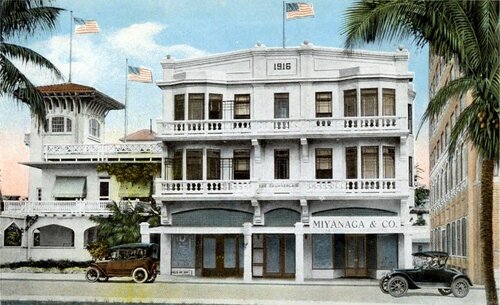
Gautier Apartments
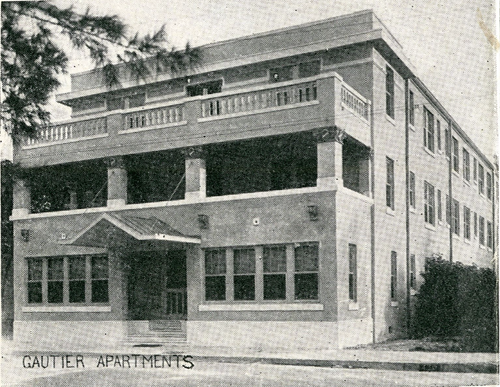
Lincoln Apartment Hotel
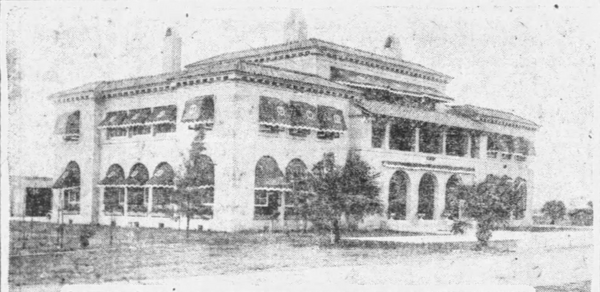
Johnson Apartment Hotel
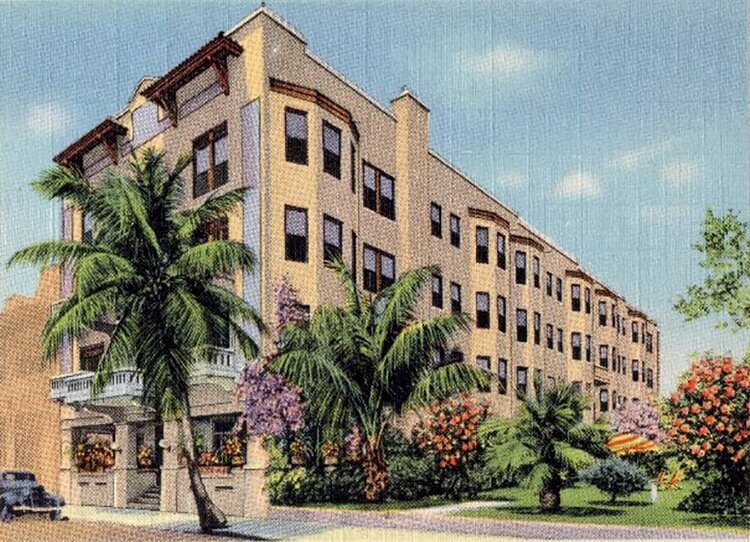
Tenth Street, between Ave A and B, opposite Strand Hotel
New Apartment Hotel planned on Tenth Street, Miami Herald, 1917
Advertisement, Miami Herald, 1917
Advertisement, Miami Herald, 1918
Strong stand taken by C. of C. Directors on Labor Immigration, Miami Herald, 1919
C.C. Brickell Apartment House
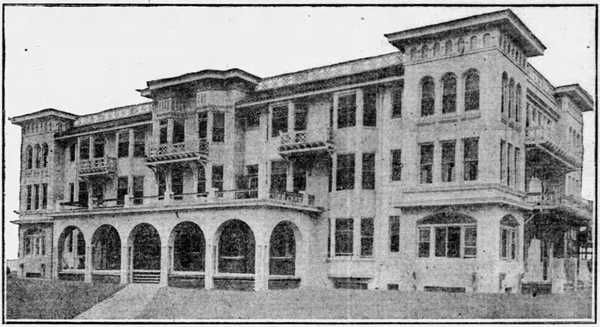
Venetia Apartments


"Old Fort" Apartments

Dean Apartments

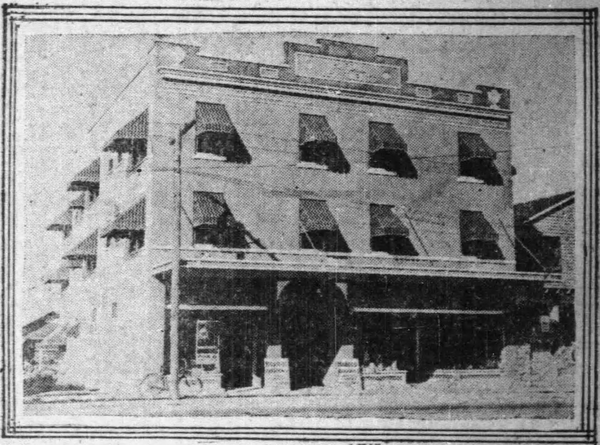
French Apartment House

Ansonia Apartment House

Dean Apartments
The Breakers Apartment Hotel
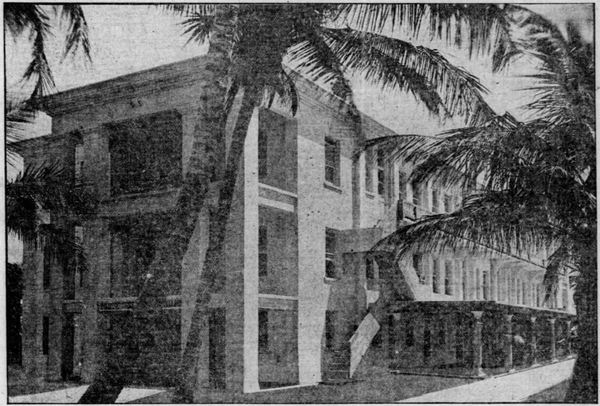
Lincoln Apartment Hotel
Johnson Apartment Hotel
Tenth Street, between Ave A and B, opposite Strand Hotel
New Apartment Hotel planned on Tenth Street, Miami Herald, 1917
Advertisement, Miami Herald, 1917
Advertisement, Miami Herald, 1918
Strong stand taken by C. of C. Directors on Labor Immigration, Miami Herald, 1919
Venetia Apartments
Valencia Apartments
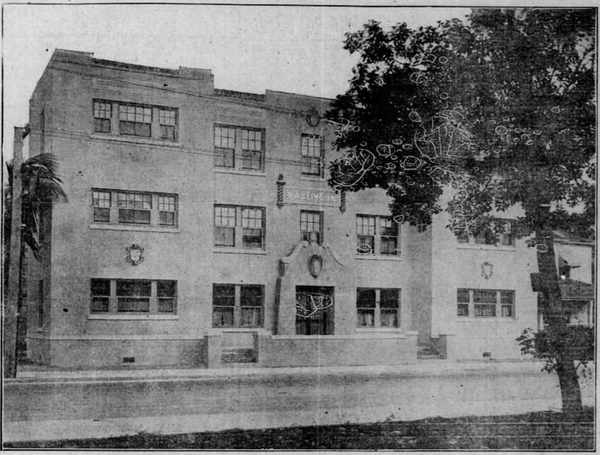
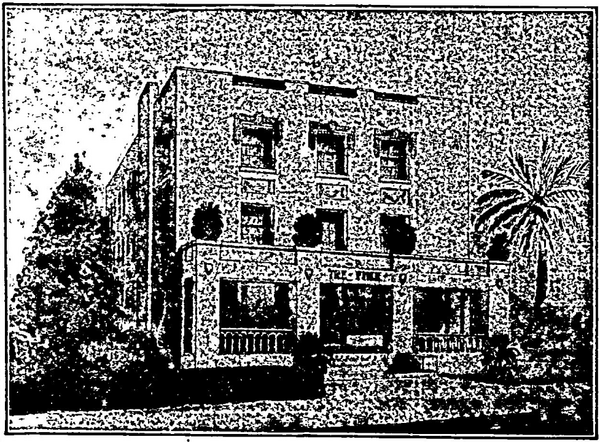
R.K. Fink Apartment Building
Principia Apartments
Don Apartment Building
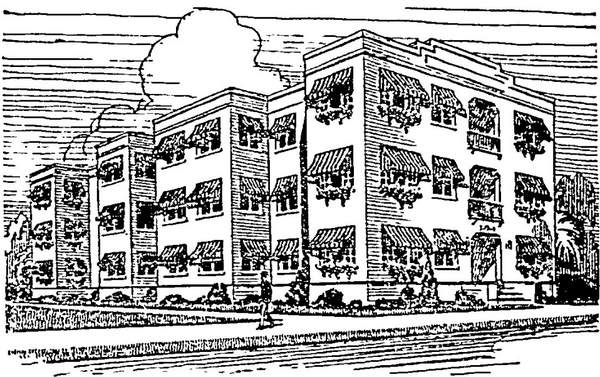
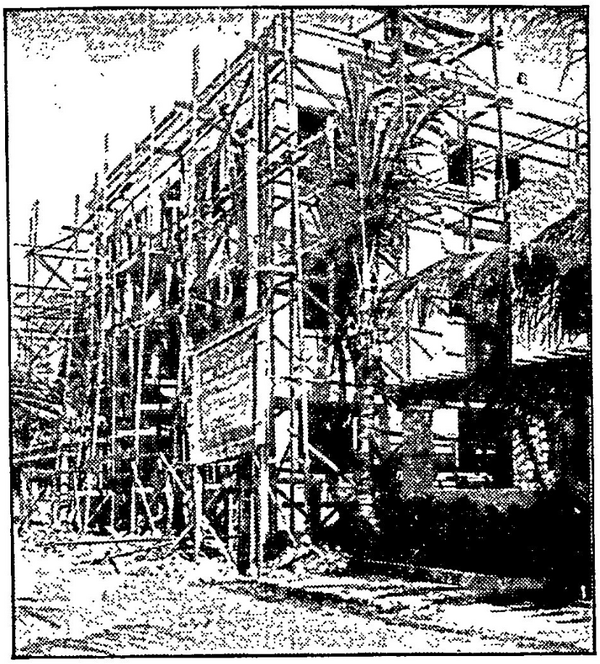
The Breakers Apartment Hotel
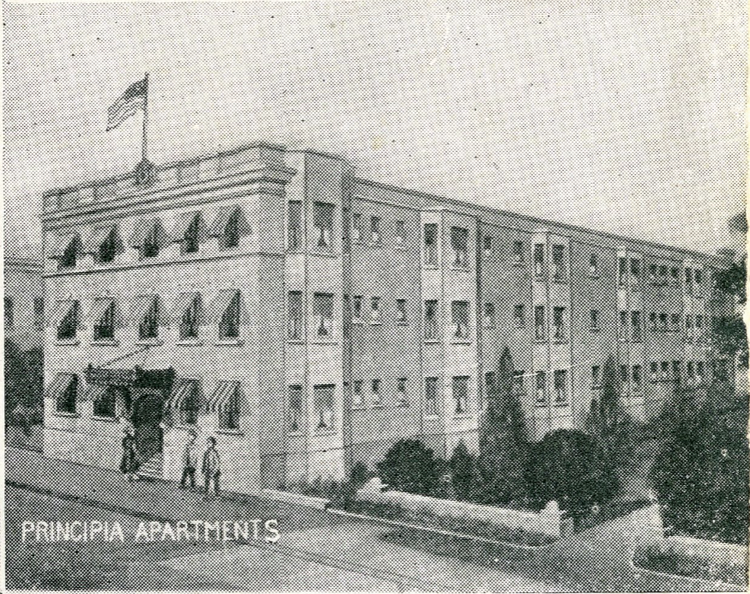
Principia Apartments
Valencia Apartments
Waldimere Apartment Building

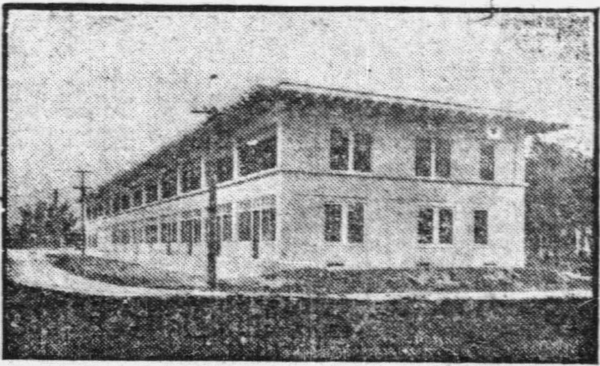
San Sebastian Apartment Hotel
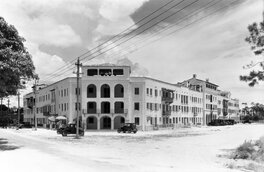
R.K. Fink Apartment Building
Fairfax Apartments

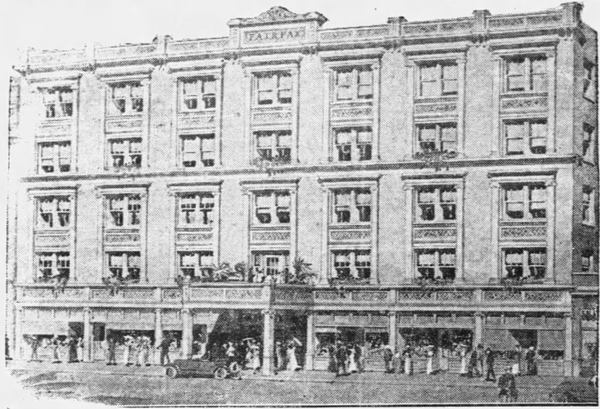
Bulmer Apartments
NB: Link includes names of more hotels
Asbury Apartments
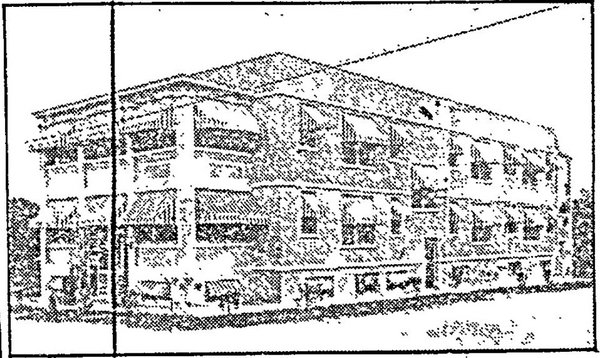
The Helene Apartments
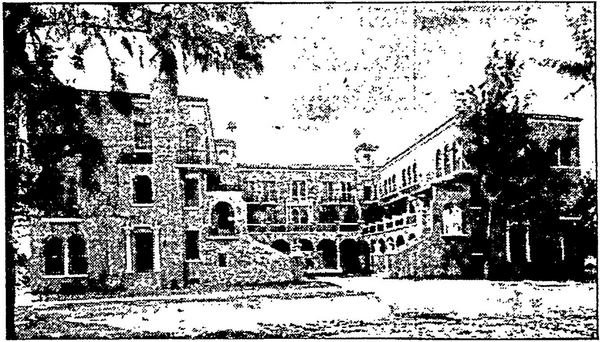
Marevista Apartments

Ostend Apartments
Dade Apartments
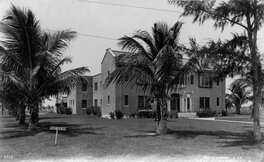
Riverview Apartments
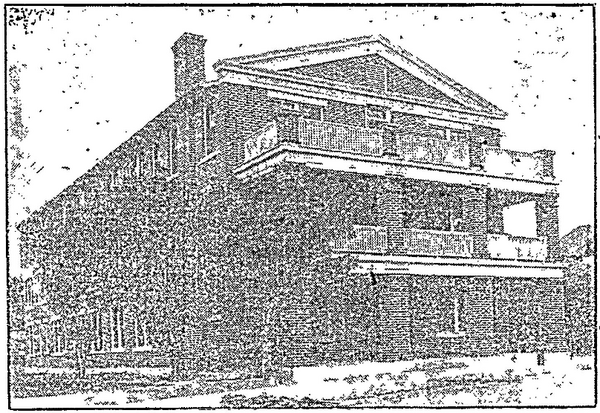
Waldimere Apartment Building
Gautier Apartments
Gallat Court Apartments
To build new apartments, Miami Herald, 1919
Elegant New Apartments, Miami Herald, 1919
Work begins today on Gallat apartments, Miami Herald, 1919
Big warehouse permit issued, Miami Herald, 1919
New Gallat Court Apartments open, Miami Herald, 1920
Clyde Court Apartments
Ground broken yesterday for Clyde Court, Miami Herald, 1918
Building Permits $144,350 this month, Miami Herald, 1918
Downtown building program requires expenditure of one million dollars, Miami Herald, 1919
Rapid progress on Clyde Court, Miami Herald, 1919
Advertisement, Miami Herald, 1919
French Apartment House
The Helene Apartments
Asbury Apartments
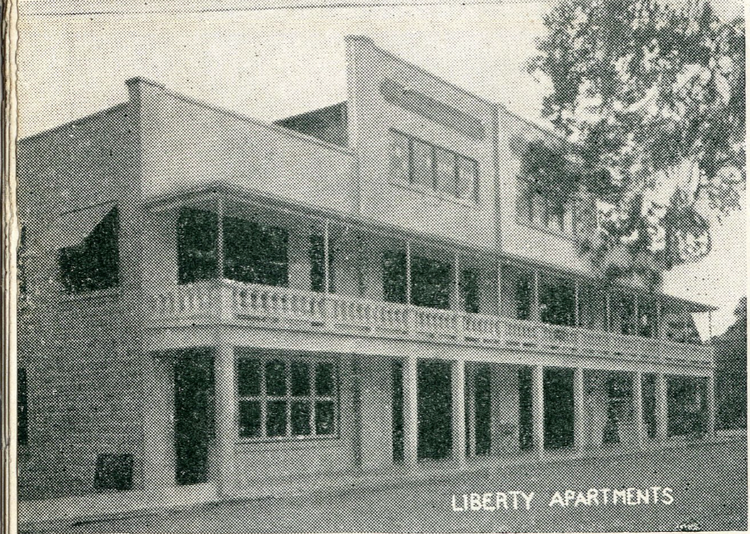
Liberty Apartments
Berni Apartments
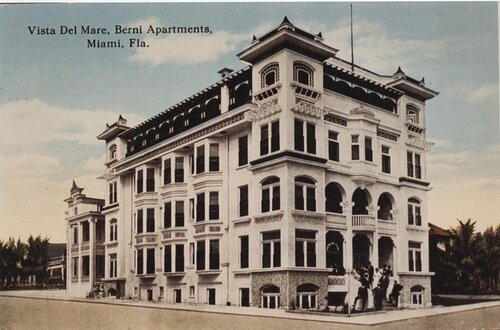
Saragossa Apartments
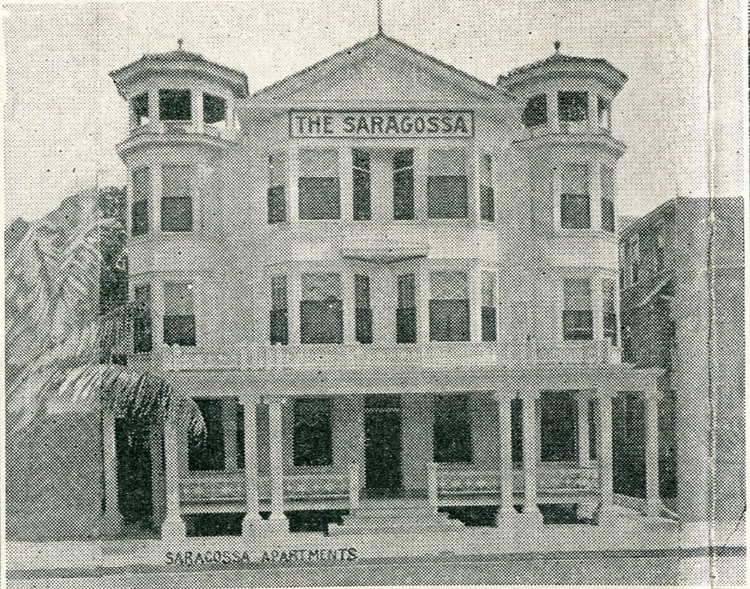
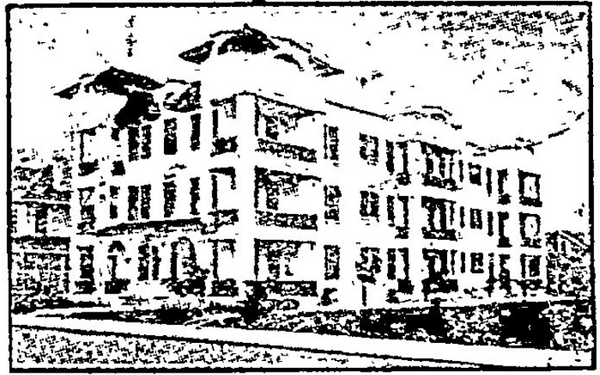
Gallat Apartment House
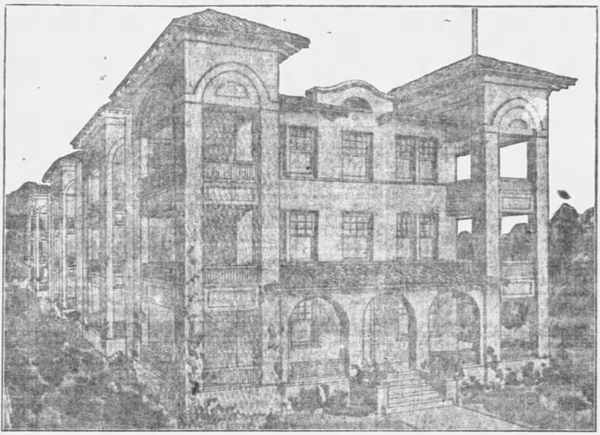
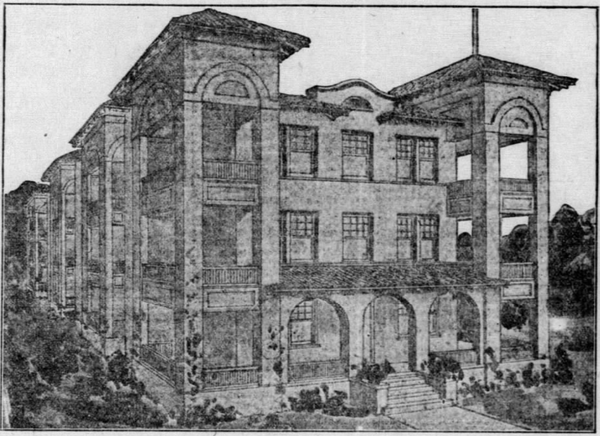
Gallat Court Apartments
To build new apartments, Miami Herald, 1919
Elegant New Apartments, Miami Herald, 1919
Work begins today on Gallat apartments, Miami Herald, 1919
Big warehouse permit issued, Miami Herald, 1919
New Gallat Court Apartments open, Miami Herald, 1920
Riverview Apartments
Clyde Court Apartments
Ground broken yesterday for Clyde Court, Miami Herald, 1918
Building Permits $144,350 this month, Miami Herald, 1918
Downtown building program requires expenditure of one million dollars, Miami Herald, 1919
Rapid progress on Clyde Court, Miami Herald, 1919
Advertisement, Miami Herald, 1919
Liberty Apartments
Don Apartment Building
Marevista Apartments
Ostend Apartments
Gallat Apartment House
C.C. Brickell Apartment House
Fairfax Apartments
Saragossa Apartments
Bulmer Apartments
NB: Link includes names of more hotels
San Sebastian Apartment Hotel
Dade Apartments
Ansonia Apartment House
Buildings Without Images Available
Chiquet/Chequete Apartments
Mangos Apartments
H. D. Sutcliffe Apartments
McCarthy Apartments
The Ralston Apartment
H. E. Hoffman Apartments
The Marion Apartments
W. F. Miller Apartments
William C. Nelson Apartments, Miami Beach
Piper Apartments
Perry Apartment House
C. M. Bush Apartment
James F. Olmstead Apartments
Dr. Carlton Vaughn Apartment House
Mary Brickell Apartments
Mrs Loflen Apartments
Carl Holmer's Riverside Apartments
C.K. Fried Apartments
Ralston Bros. Apartment House
W.R. Shipman Apartments
Austin Hall Apartment House
Merwil Apartments
Great Sacrifice Apartment House
Ritz-Miami Terraces
John Frohock Apartments
Apartments at Royalton Hotel
Walter Jensen Apartment House
Hodsdon Apartments
Holmer Apartments
Crosel Apartments
Marshall Apartments
Hafleigh Apartments
El Mar Apartments
Osceola Apartments
R.H. Mann Apartments
Carmichael Apartments
M. Alexander Apartment Hotel
Edwards Apartments
The Palms Apartment House
Persch Apartments
W. W. Dill Apartment House
The Farr Building
Sundial Apartments
The Arvilla Apartments
W. H. Chaille Apartments
W. R. Butler Apartments
Thompson Apartments
Christiansen Brothers Apartment House
Duval and Adams Apartment House
Waldin Apartments
William T. Flowers Apartment House
Fisher Apartments
Fisher apartments at Alton Beach, Miami Herald, 1916
Fisher to build 4 residences, Miami Herald, 1916
Carl Fisher builds more at the beach, Miami Herald, 1916
More rooms this season for visitors, Miami Herald, 1916
Carl Fisher’s plans for a beach windmill, Miami Herald, 1916
Extensive improvement at the beach, Miami Herald, 1916
Anderson Apartments
Toledo Apartments
W.H. Nicel Apartments
Ward Court Apartment House
Waddell Apartments
Rio Vista Apartments
Abel Court Apartments
Argyle Apartment House
Architect: E.A. Nolan
Over $100,000 is represented in new investment, Miami Herald, 1918
*C.H. Ward Frame Apartments
J.D. Girtman Apartments
A.D. Young Apartments
W.B. Brickell Apartments on 20th St
Field Apartments
Fort Dallas Apartments
Krauz Apartment House at Magnolia Park
Dickson Apartment House
Mitchell Bungalow Apartment House
San Carlos Apartments
J. Joseph Apartments
Repurposed Arcade Hotel
J. P. Toms Apartments
George E. Smith Apartments
A. A. Walsh Apartment House
The Chester Apartments
The Avondale Apartments
W. D. Newsome Apartments
Kelly Apartments
Ida J. Field Apartments
Alfresco Apartment House
Lunham Apartments
Dallas Lodge
Belcher Apartment House
The Toledo Apartments
Lafayette Apartments
Pratt Apartments
Afremow Apartments
Fowler Apartments
C.L. Craig Apartment House
Bayview Apartments
C.H. Ward Apartments (III)
W.J. Lee Apartment House
Flanders Apartments
Thorp & Knight Apartments
Winton Court Apartments
Songer Apartments
Cleveland Apartments
The Martinique Apartment Hotel
The Palm Apartments
Wireless Apartments
Bates Apartment House
Dennis Apartments
Olive Apartments
C.J. Martin Apartment House
Mackinaw Apartments
D.A. Dorsey Apartment Building
Chapman Building
Scherer/Sherer Apartment House
Cason Apartments
Full List of Apartment Bulidings
Chiquet Apartment Building (1911; also known as Chequete Apartments). 10th Street, opposite to St. Catherine's Convent; Three stories.
Edwards Building (Started on June 1911, finished in November 1911). Located on 12th Street, opposite to the Halcyon Hotel. Then in 232 12th St, on the corner with Ave C. The building had a ground level "Book Store", with apartments on the second and third floors. Store open since 1905.
Mangos Apartments (1911). On 12th Street and Ave D Corner; Three Stories; 24'x85'; 25 apartments.
Arcade Hotel Apartments (1912). Hotel repurposed into Apartment House. On the Boulevard, opposite to the terminal dock.
H.D. Sutcliffe Apartment House (1912). 11th Street, near Ave A. Three stories; reinforced concrete; 24 apartments; built by Will A. Otter.
McCarthy Apartments (1912). East side of Ave B, between 8th and 9th St. Wood frame; Three Stories; 40'x100'; 29 apartments.
J.P. Toms Apartments (1912). Corner of 6th St and Ave C. Architect August Geiger; two stories; concrete; 30'x60'; ground floor store.
George E. Smith Apartments (1912). On Collins Property.
The Palms Apartments (1912). 128 9th St (later 212 NE 3rd St). Three stories; 12 apartments.
Ralston Apartment (1913). 12th St near Ave B. Three stories, reinforced concrete; 25'x65'; store on ground floor.
*Downtown Building Program Article*
A.A. Walsh Apartment House (1913). 9th St between Ave C and the bay, next to the Rutherford. Architect August Geiger; Three stories; "on a 3 foot foundation"; three story porch; 40'x76'.
The Chester Apartments (1913). 205 10th St.
H.E. Hoffman Apartments (1913). In Buena Vista, facing Biscayne Drive. Three stories; drug store on ground floor.
The Avondale Apartments (1914). 815 Ave B.
W.D. Newsome Apartments (1914). 7th St, between Ave C and B. Three stories; 12 apartments; reinforced concrete.
The Marion Apartments (1913). 135 9th St.
W.W. Dill Apartment House (1912). 708 Ave C. Remodelled from existing residence; 4 apartments.
Kelly Apartments (1915). Bay St and Ave B. Two stories; wood frame; 12 apartments; 84'x35'.
W.F. Miller Apartments (1914). 10th St, near Blvd. 6 stories; reinforced concrete; 50'x150'.
William C. Nelson Apartments (1914). Miami Beach. Two stories; 13 apartments; two stores in ground floor.
The Farr Building (1913). 219 12th St, next to Skaggs-Enloe. Three stories; 8 apartments; reinforced concrete; 25'x110'; ground floor store; courtyard?; Architect Munday
Ida J. Field Apartments (1916).
Piper Apartments (1915). Ave B and 1st St. Two stories; concrete block.
Alfresco Apartment House (b. 1916). Northwest corner of 6th St and Ave B. Later bought by Gautier.
Perry Apartment House (1915). 6th St and Ave C. Two stories; store on ground floor.
Sundial Apartments (1913). 1111 Ave A. Phillips Brothers Hardware store on ground floor.
C.M. Bush Apartments (1916). 11th St and Blvd. Three stories; 12 apartments; concrete.
The Arvilla Apartments (1913).
James F. Olmstead Apartment House (1916). On Fort Dallas Park, to cost $15,000.
W.H. Chaille Apartments (1914). 7th St and Ave D. Two stories; 8-10 rooms; 5 stores on ground floor; 70'x100'.
Dr. Carleton Vaughn Apartment House (1916). In Ft. Dallas Park. Three stories; 6 apartments; concrete and hollow tile.
W.R. Butler Apartments (1915). Ave C and 3rd St. Two stories; concrete.
Thompson Apartments (1915). 13th St, near Ave G. 2 apartments; Architect Edward A. Nolan.
Lunham Apartments (c.1917). In Riverside.
Christiansen Brothers Apartment House (1915). 8th St, between Ave D and E, lot 27, block 77. Two stories; concrete; store on ground floor.
Dallas Lodge (1916). Ave C and 14th St. 16 rooms.
Duval and Adams Apartment House (1916). Park Street, Miami Beach. 8 apartments.
Mary Brickell Apartments (1916). On Brickell Point.
Mrs Loflen Apartments (1916). 9th St.
Carl Holmer's Riverside Apartments (1917). Riverside, 12th St, between Ave L and M, lot 70, block 8. Three stories; 18 apartments; reinforced concrete; 3 large stores on ground floor.
C.K. Fried Apartments (1917). W Central Ave.
Waldin Apartments (1916). Ave B and Rickmers St. Two stories; 8 apartments; reinforced concrete
William T. Flowers Apartment House (1916). Ave E, near 8th St.
Fisher Apartments (1916). Lincoln Road. Three stories; 12 apartments; reinforced concrete; 57'x104'; Architect August Geiger.
Ralston Bros. Apartment House (1919) 12th St, between Ave A and B. Five stories; basement; five stores on ground level; central arcade.
W.R. Shipman Apartments (1917). North side of 9th St.
Anderson Apartments (1916). 11th St.
Austin Hall Apartment House (1917). Corner of 18th St and Ave D, south side (1814 Ave D).
Toledo Apartments (1916). Miami Beach.
Ward Court Apartment House (1917). Miami Beach, "600 ft north of Collins casino". Two stories; 26 apartments; Architect W.C. DeGarmo.
Belcher Apartment House (1917). Miami Beach. Three stories; 20 apartments; concrete blocks and stucco; 120'x50'; Colonnial Style; close to Ward Court.
Lafayette Apartments (1918). 716-718 10th Street, facing City Park.
Waddell Apartments (1917). 11th St and Ave D.
Pratt Apartments (1918). Miami Beach.
Merwil Apartments (1918). Corner of First St and Ave B.
Great Sacrifice Apartment House (1918). 26 apartments; brick
Rio Vista Apartments (1918). 632-634 12th St.
Abel Court Apartments (1918). Corner of Ave B and Rickmers St.
Argyle Apartment House (1918). 10th St, between Ave C and B. Four stories high; 70 apartments; U-shaped, with central court; Architect E.A. Nolan; property leased from R.D. Chaquette (potentially owner of Chiquet Apartments).
Afremow Apartments (1918). Biscayne Dr and Parrott St. Three stories;12 apartments; reinforced concrete and hollow tiles; Architect A.E. Lewis.
Fowler Apartments (1918). 1019 12th St.
C.L. Craig Apartment House (1918 addition). 10th St, between Ave G and H. Three stories.
Bayview Apartments (1918 addition). 132 9th St.
C.H. Ward Apartments (1918). Ave D, north side, near Waddell St. Third C.H. Ward apartment house.
C.H. Ward Frame Apartments (1918). Corner of Ave D and Waddell St. Two stories; wood frame. Might be same as above.
J.D. Girtman Apartments (1918). 9th St, near Ave C. Later sold to Max Dubler. Managed by Frank T. Budge Co.
W.J. Lee Apartment House (1919). 9th St, between Ave B and Blvd
John Frohock Apartments (1918). 8th St and Ave D.
A.D. Young Apartments (1918). In Bayside Park.
W.B. Brickell Apartments (1918). 20th St and Biscayne Bay. Three stories; 12 apartments, plus 10 guest rooms; reinforced concrete and tile roof; 185'x50'. $50,000.
Fort Dallas Apartments (1917). In Fort Dallas Park. Three stories; 18 apartments; steel and cement.
Chapman Building (1919). 519 12th St. Three stories; 10 apartments. Ground floor offices and warerooms.
Apartments at Royalton Hotel
Walter Jensen Apartment House
R.H. Mann Apartments
Krauz Apartment House
Bates Apartment House
Songer Apartments
Dickson Apartment House
Cleveland Apartments
Flanders Apartments
Thorp & Knight Apartments
Winton Court Apartments (1918). 225 7th St.
The Martinique Apartment Hotel
Dennis Apartments
Hodson Apartments
Holmer Apartments
Mackinaw Apartments
Olive Apartments
Crosel Apartments
Wireless Apartments
Marshall Apartments (1918). 624 14th St or 11th St.
Hafleigh Apartments
El Mar Apartments
Osceola Apartments
Scherer/Sherer Apartment House
Mitchell Bungalow Apartment House
The Palm Apartments
Carmichael Apartments
San Carlos Apartments
M. Alexander Apartment Hotel
Cason Apartments
C.J. Martin Apartment House
D.A. Dorsey Apartment Building
Single Family House Typology
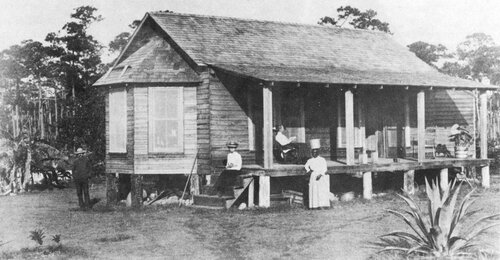
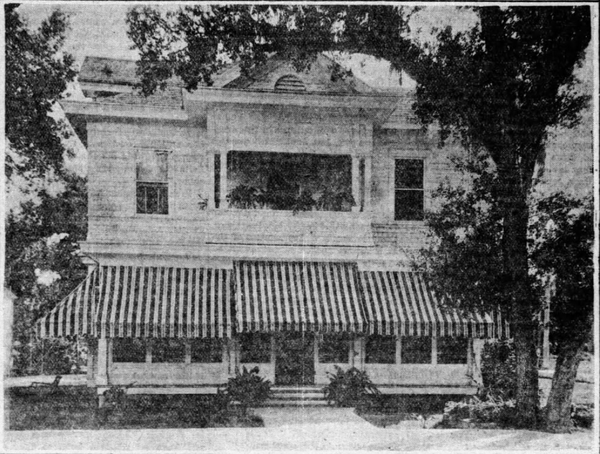
Miami's single-family house evolved quickly, shaped by climate, available materials, and waves of growth. The earliest homes (1890s to 1910s) were wood-frame "Florida cracker" houses: raised on piers, with deep porches, tall ceilings, and metal roofs designed for shade and cross-ventilation. The 1920s land boom brought bungalows and a wave of Mediterranean Revival and Mission-style homes, increasingly built in stucco and local oolitic limestone.
After World War II, affordable concrete-block ranch houses spread across the suburbs, often with terrazzo floors, jalousie windows, carports, and Florida rooms. Mid-century architects also developed a distinctly tropical modernism, using open plans, indoor-outdoor living, and sun control. Later decades added larger Mediterranean-style estates, stricter hurricane codes after Andrew in 1992, and today's contemporary waterfront residences.
Maude Seybold Black House, 1899

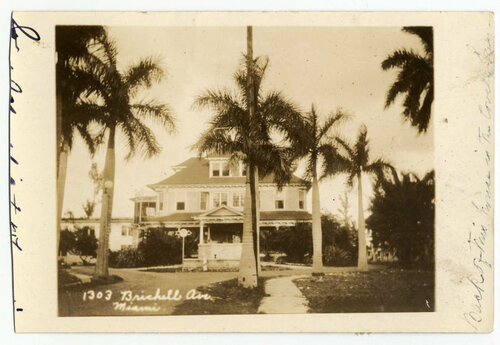
1303 Brickell Ave
Knowlton Frame House
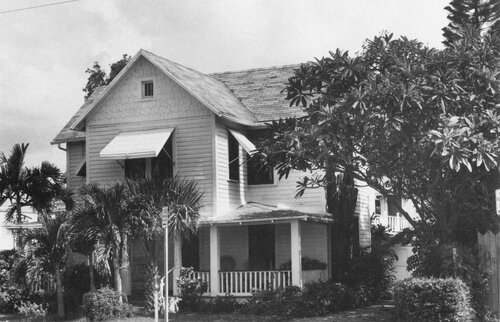
Italian Style House
T.A. Campbell Residence
Tatum Bros. Grove Park Homes
James Bright Residence
Jeffries House, Miami Shores
Masonry Vernacular House, Riverside
Brigham Family Residence
Villa Regina / Briggs Residence
Al Capone's Palm Island House
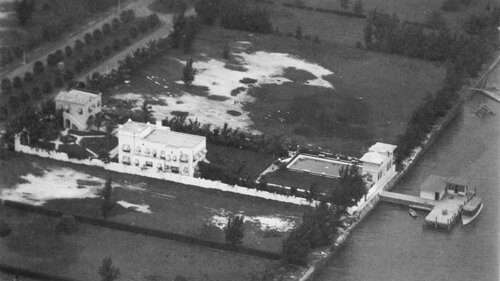
James M. Jackson Residence
Maude Seybold Black House, 1899
Wagner House, 1978
Bragg Residence
Dorsey House in the 1920s
E.W.F. Stirrup House
Burr Residence
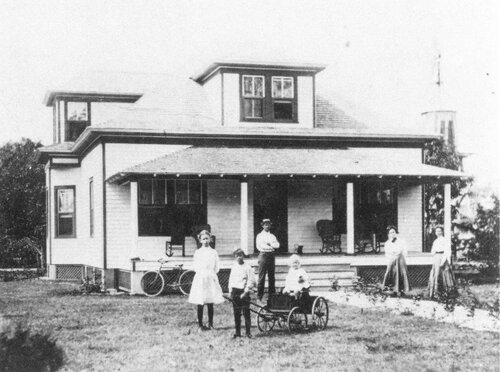
Lindgreen House
Challe Family Residence
Residence designed by Marion Manley

Mission House in Shenandoah
Wright House
Tyler Residence, Miami Shores
Believed to be the first house completed in Miami Shores
Bayfront House
Highleyman House / Commodore's, 1970s
Brickell Residence
Mediterranean Style House
Note exterior staircase
Palm Court Mansion
Burr Residence, Arch Creek
Wagner Residence
Richmond Cottage
Irving Collins Residence
Richmond House
Charles Avenue Settlement
Residence
Patterson and Olive House
Cellon House
T.V. Moore House, Buenavista
Mitchell Bauer House
Philips House at Belmar Development
Spears Harris House, Miami Shores
1920s Classical Revival House with Spanish Roof
John B. McKenzie Stone Mission House
Villa Serena / William Jennings Bryan Residence


L.T. Highleyman Bayfront House
Villa Vizcaya Aerial
Artemus Brown Residence
Brown Residence
William Fulford Residence
Dorsey Residence in the 1950s
Early Lemon City Home
1911 Residences
Edwin A. Waddell Residence
Oscar T. Conklin Residence
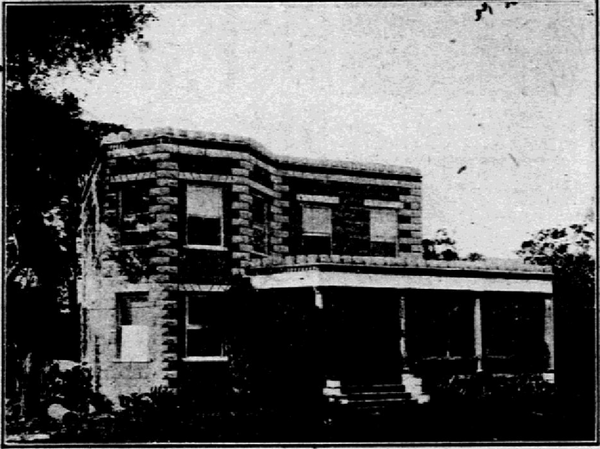
A.J. Bendle Residence
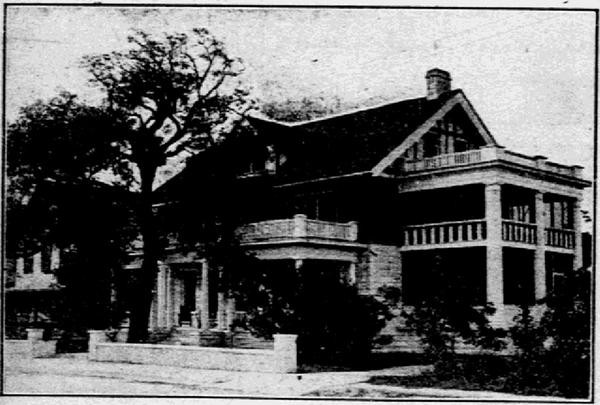
Eighth Street Home overlooking Biscayne Bay
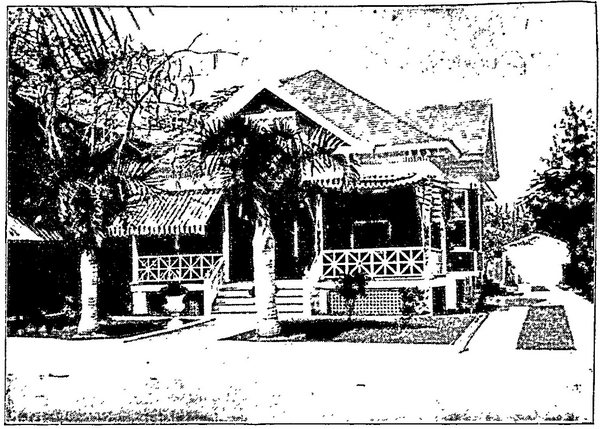
Edgewater House
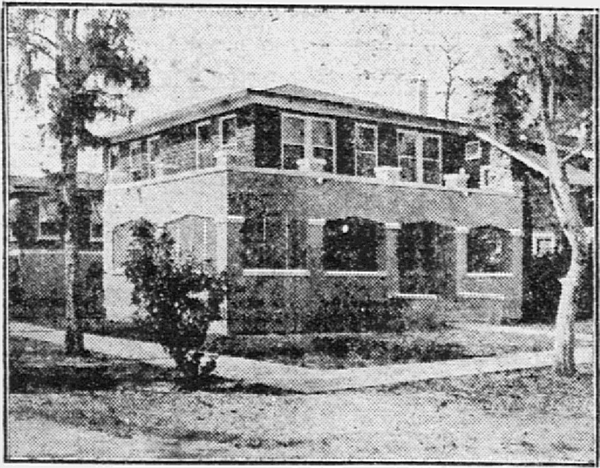
Flanders Residence

"Forty Windows" Miami Beach House
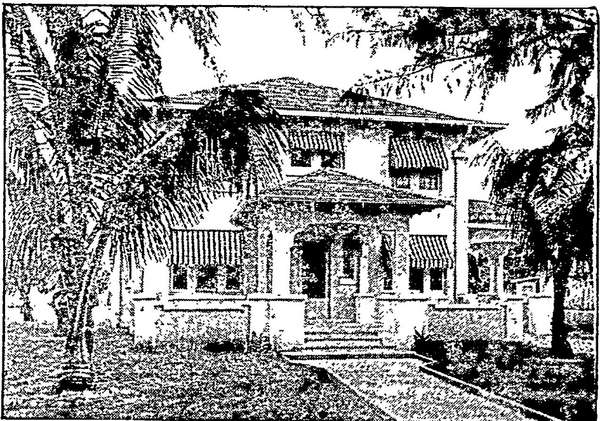
Bevis Residence
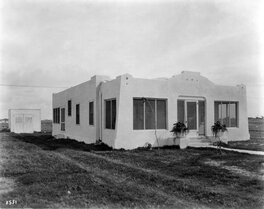
James Stanley Joyce Residence
House in Hialeah

Floyd Residence

Star Island Residence

Garage House (Apartment?)
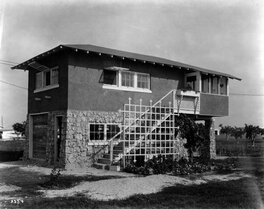
H.R. Howell's Residence
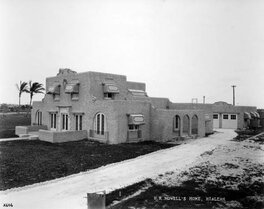
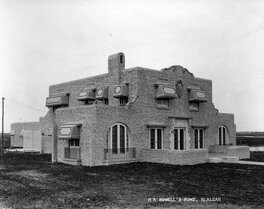
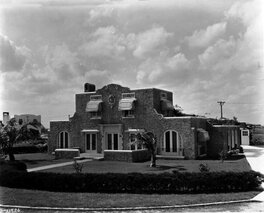
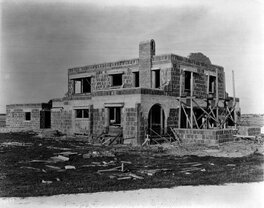

Country Club Estates
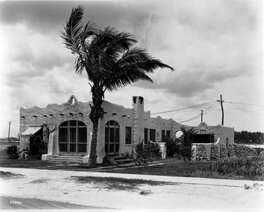
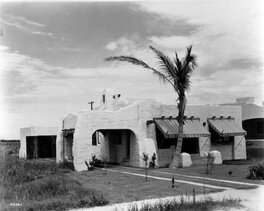
James H. Snowden Residence

1208 Obispo Avenue House
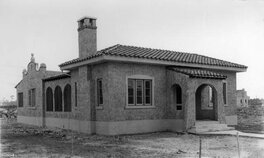
M. Hamm's Residence

Mrs. McMullin Residence

912 Valencia Avenue House
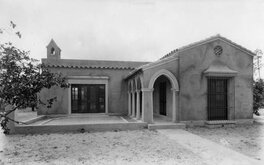
R.W. Hawes' Residence

Judge Hazeltine Residence

Truelson Residence

Fowler Residence
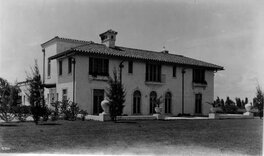
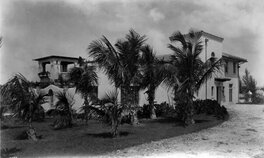
House by Walter C. DeGarmo

2220 Country Club Prado Residence

513 Alcazar Avenue
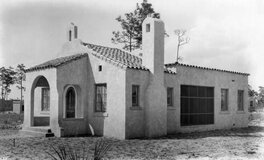
811 Navarre Avenue Residence

Harn Court Houses
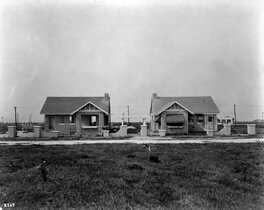
Mrs. Helen M. Watkins Residence
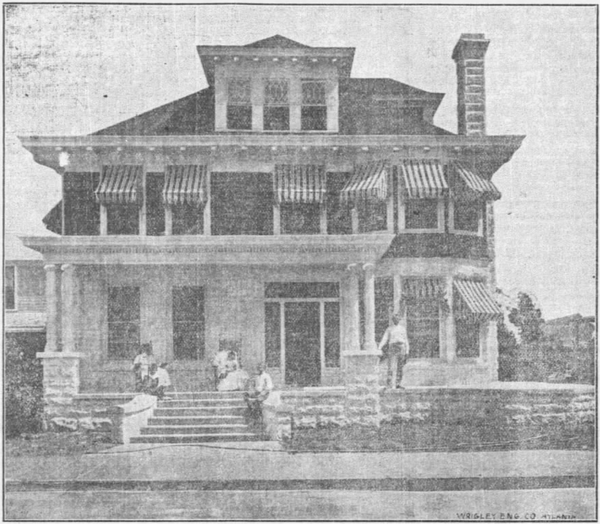
Mrs. E.C. Beck Residence

Patterson Residence
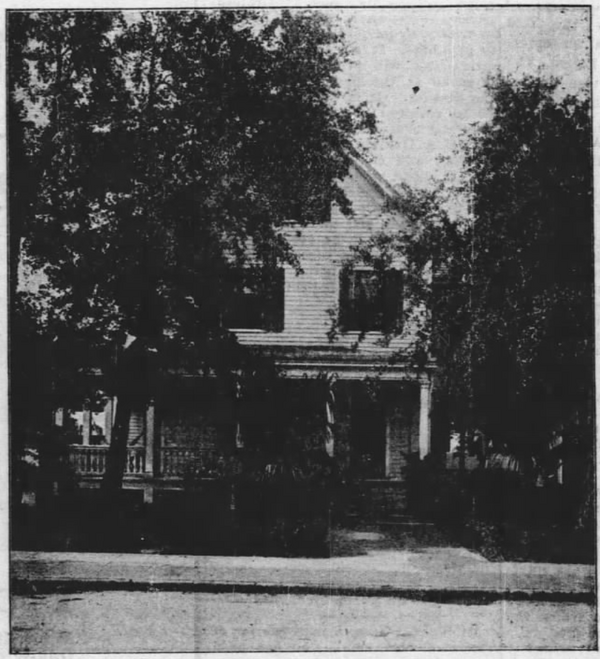
L. C. Oliver Residence
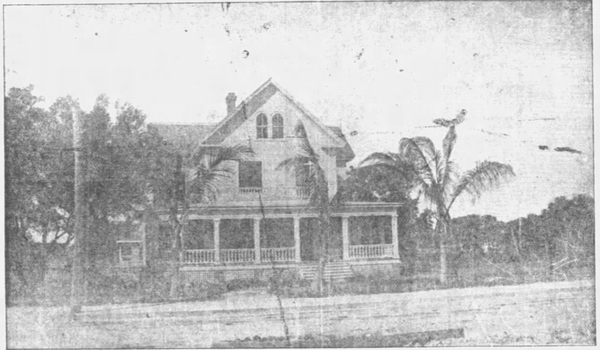
Richard D. Maxwell Residence
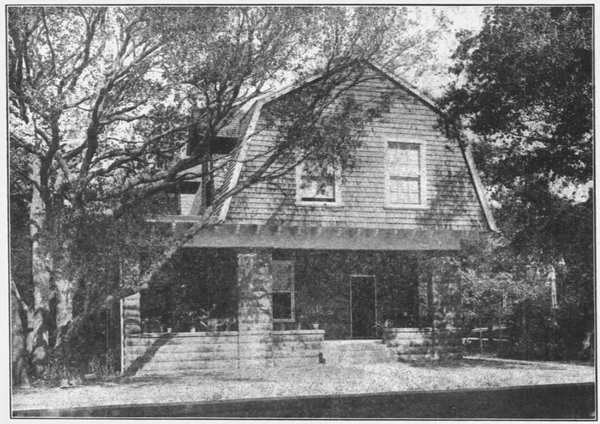
L.Q. Jones Residence
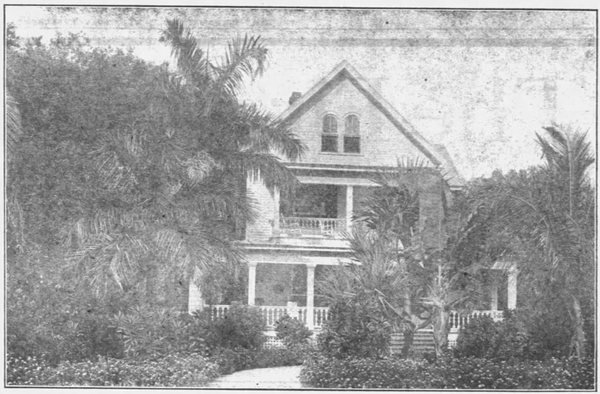
Mrs. Margaret E. Ivins Residence
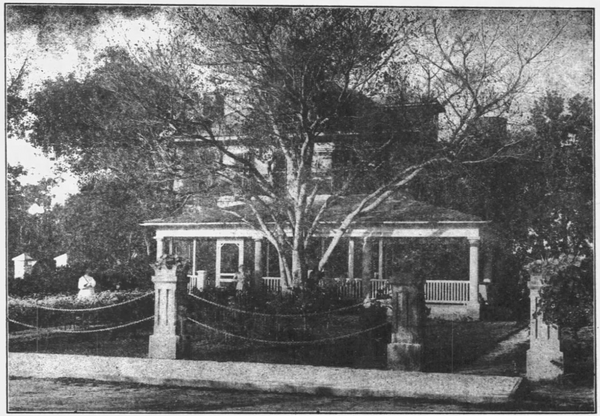
J.H. Tatum Residence

E.C. McGraw Residence
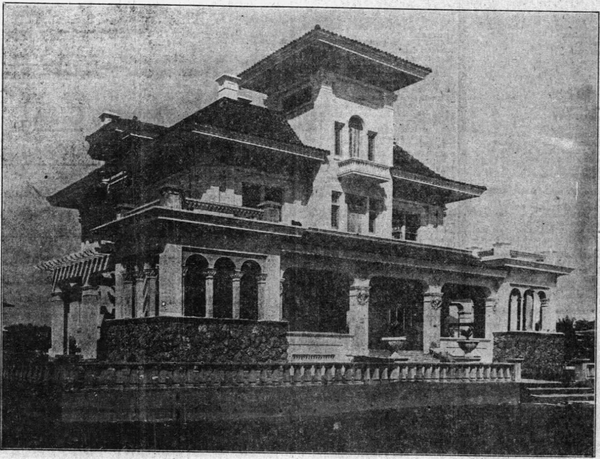
S. Bobo Dean Residence
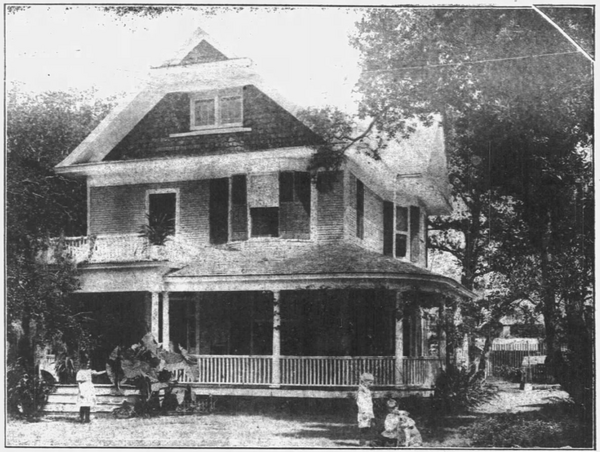
Dr. R. E. Chafer Residence
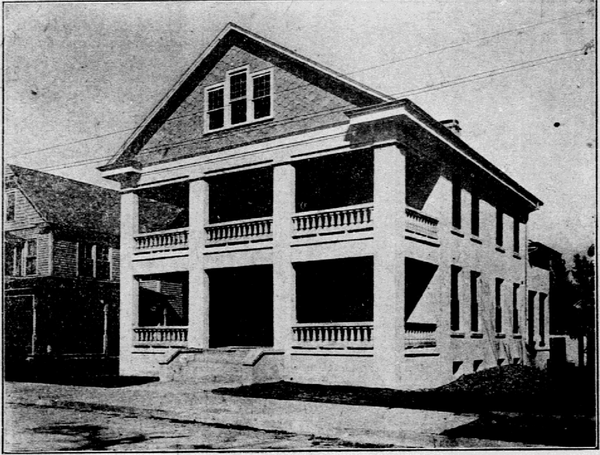
"Two Modern Miami Residences"
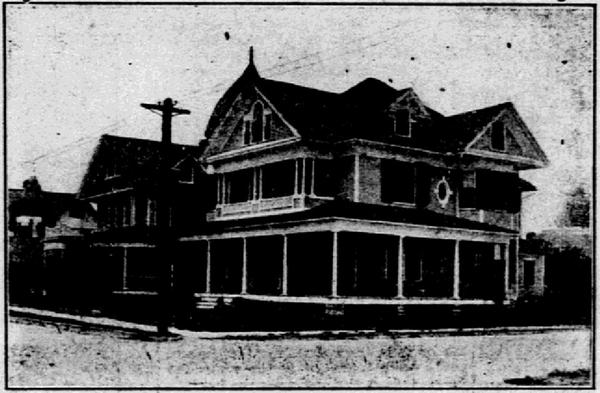
Kirk Munroe Residence
Miramar House
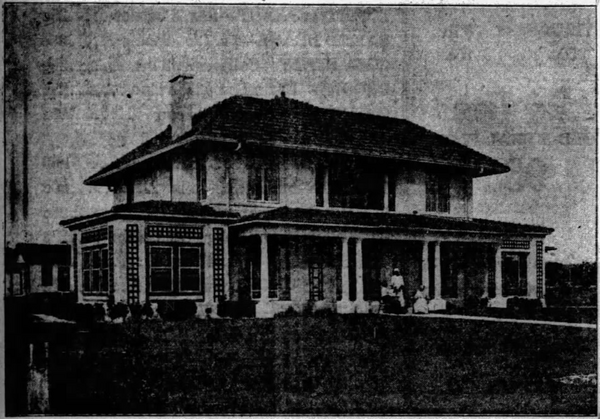
Glenroyal Houses

George W. Dickens Residence
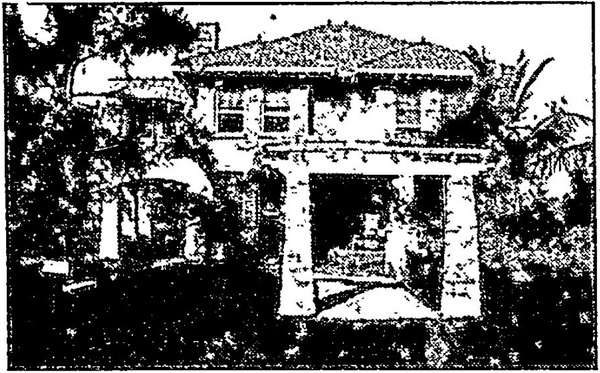
Stanton Residence
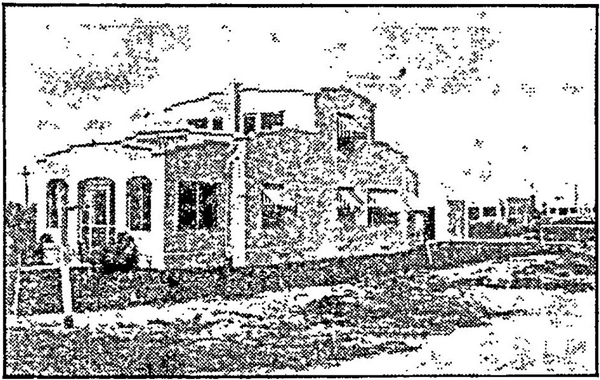
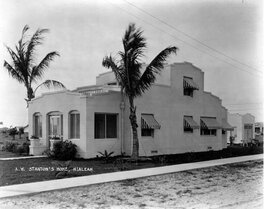
Robert Hassler Residence
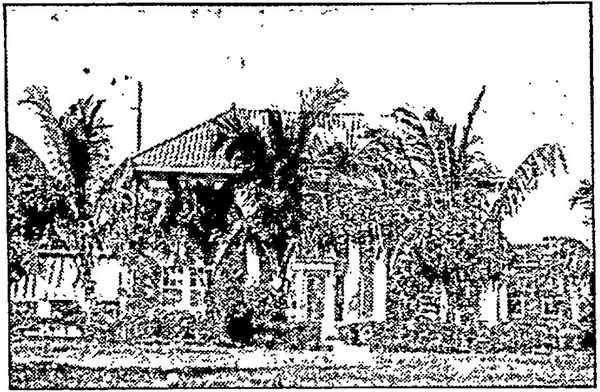
John Bindley Residence
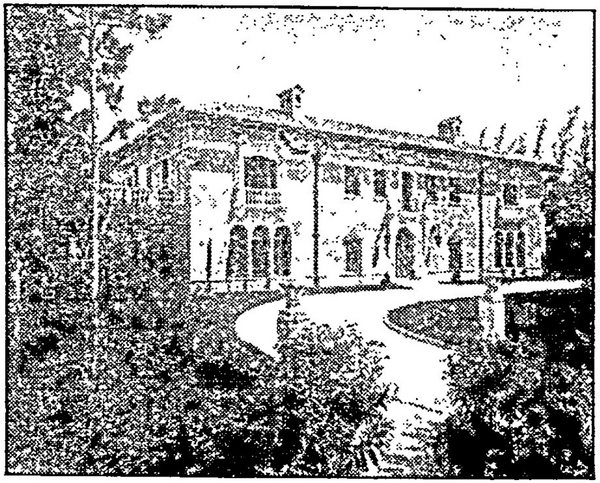
1712 Meridian Avenue Residence
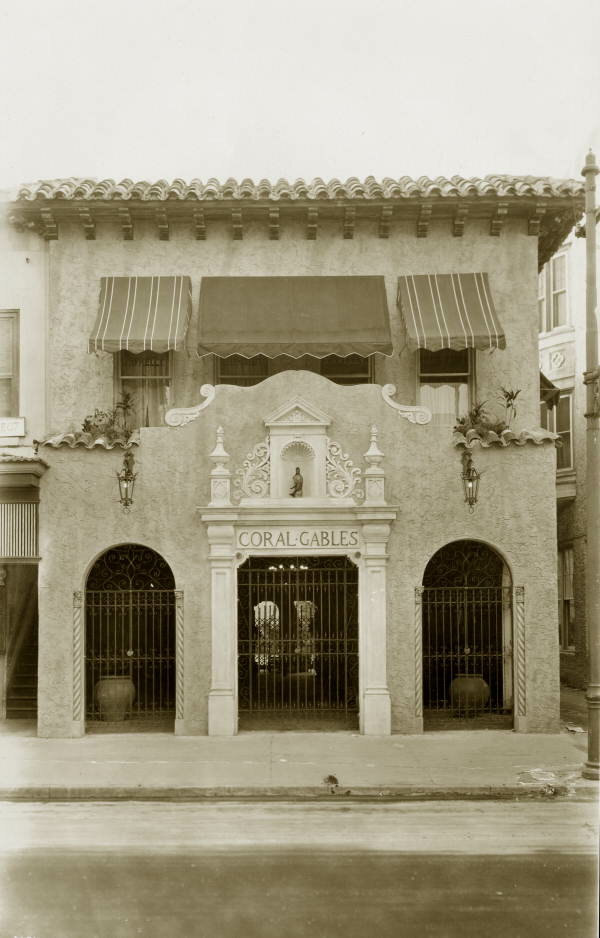
Coral Gables Building
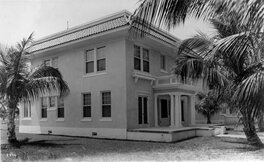
H.H. Packer Residence
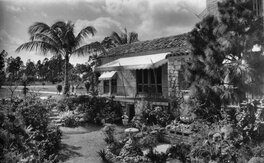
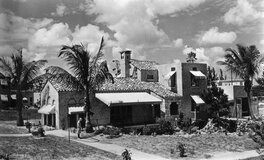
2508 Columbus Blvd
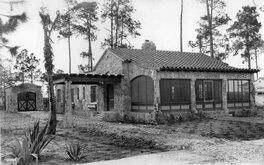
Hialeah House
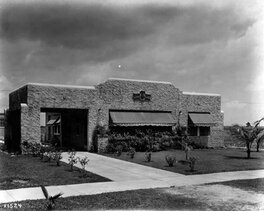
Hialeah House
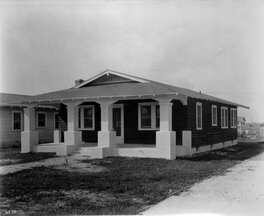
John V. Bond Residence
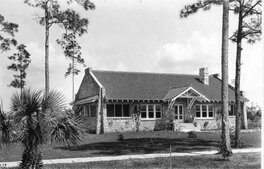
M. William's Residence

1021 Almeria Avenue
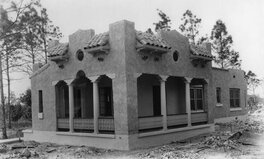
1119 Obispo Avenue House

Pratt Residence
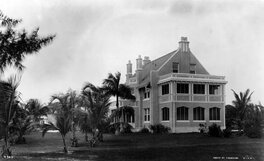
Racey Home
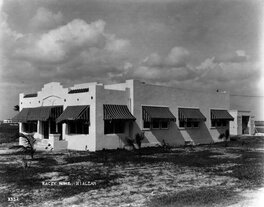
N. Meridian Avenue House
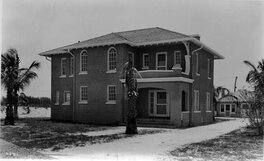
2103 Alhambra Circle Home
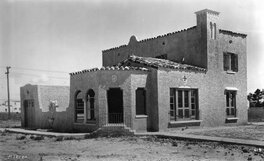
509 Giralda Avenue Residence
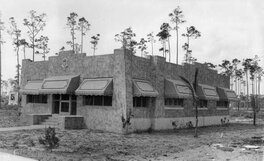
1205 Obispo Avenue
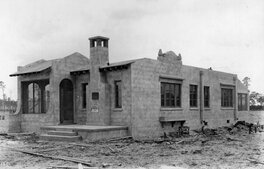
Briggs Residence

Seberling Residence

Meridian Avenue House
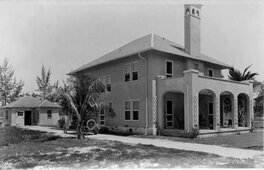
300 NE 17th Terrace Residence
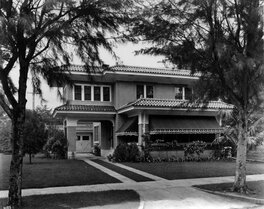
751 North Greenway Drive Residence
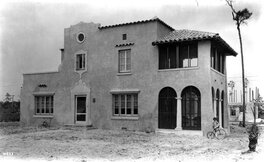
533 Alcazar Avenue

1216 Almeria Avenue Residence

E.T. Purcell Residence

W.J. Grant Residence

R.W. Rhodes Residence
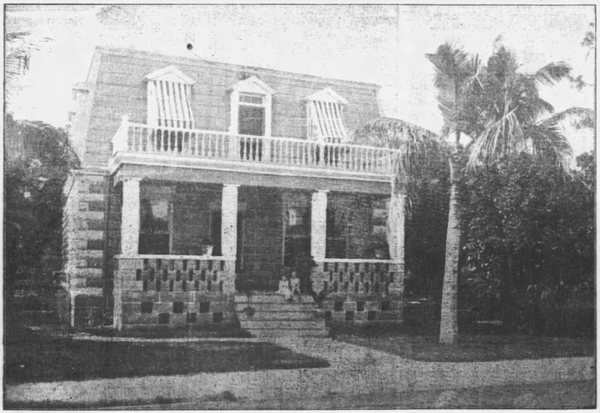
R.H. Seymour Residence
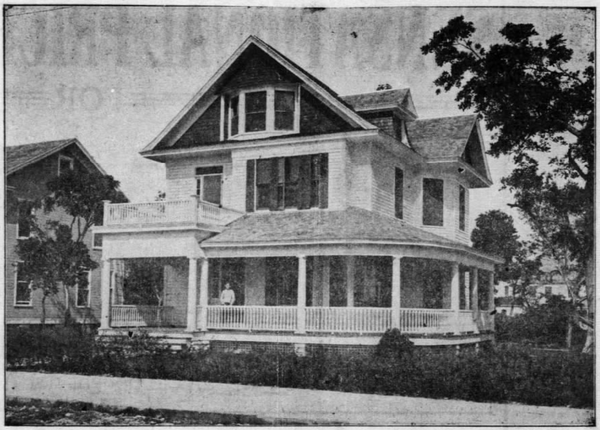
Rusell Residence
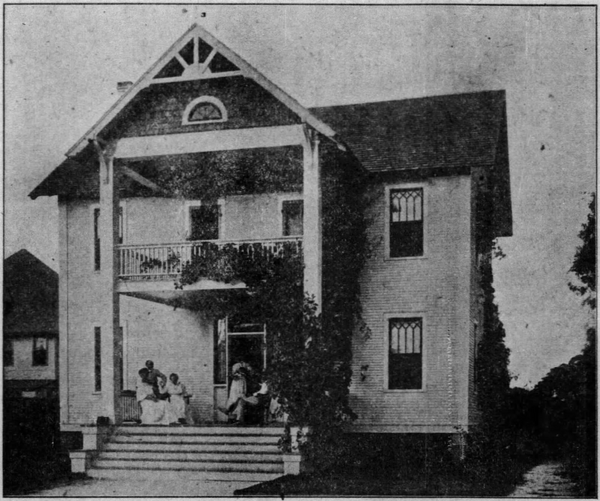
March Villa
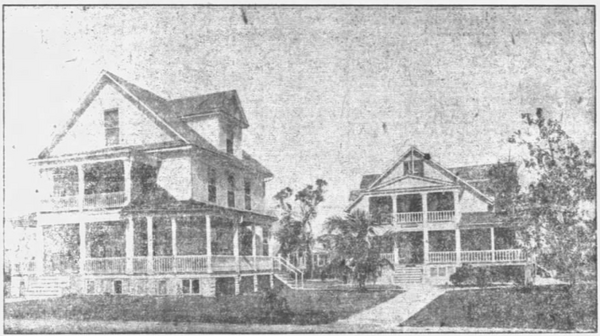
Col. Rodman Smith Residence
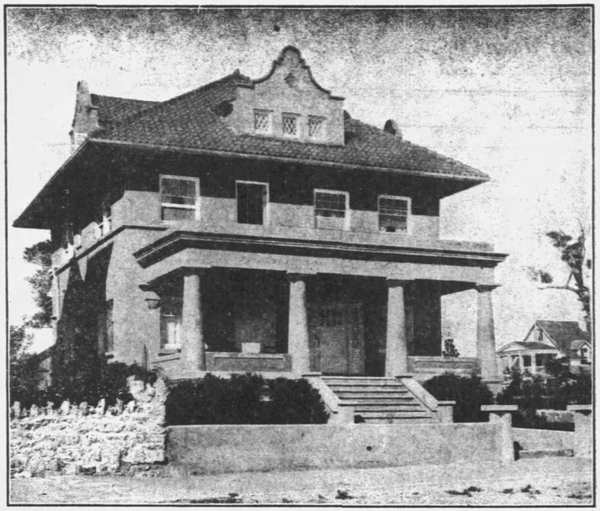
Charles D. Leffler Residence
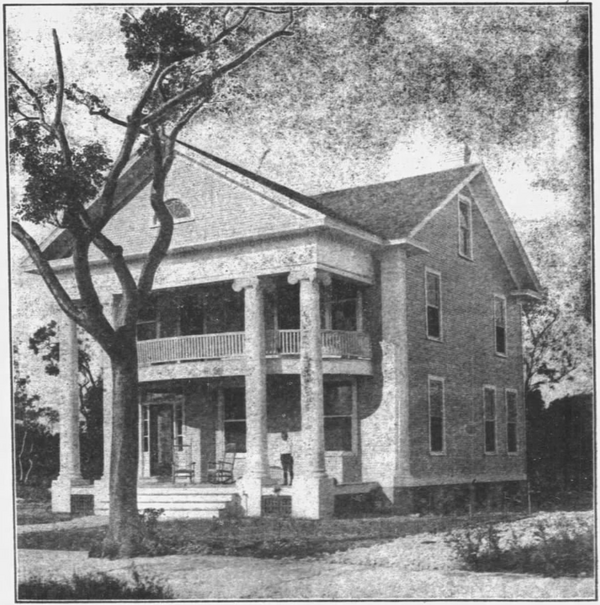
E.G. Sewell Residence
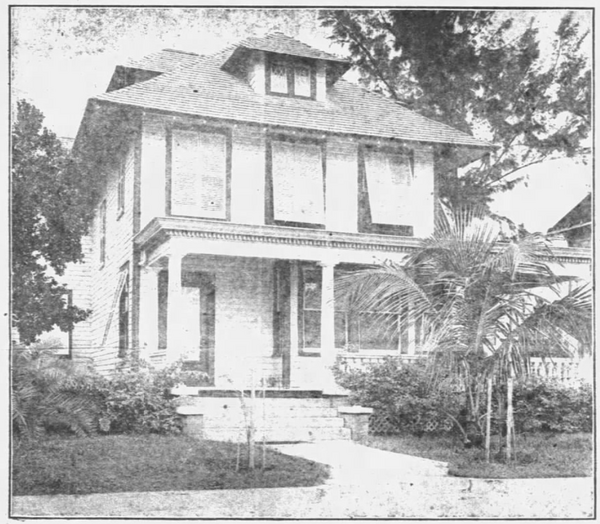
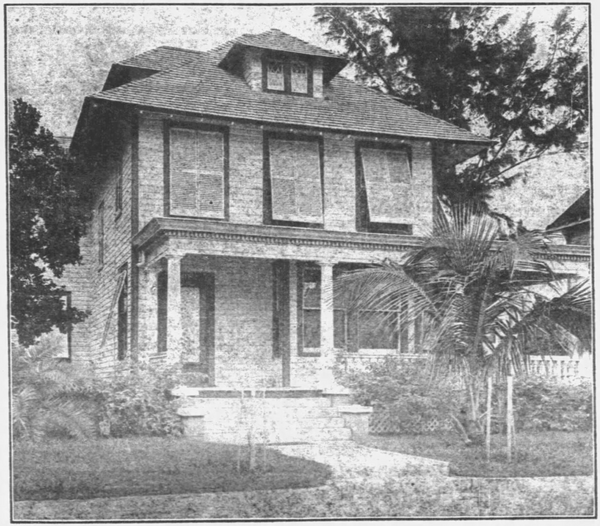
Lawton Cliff, H.A. Lawton's Residence
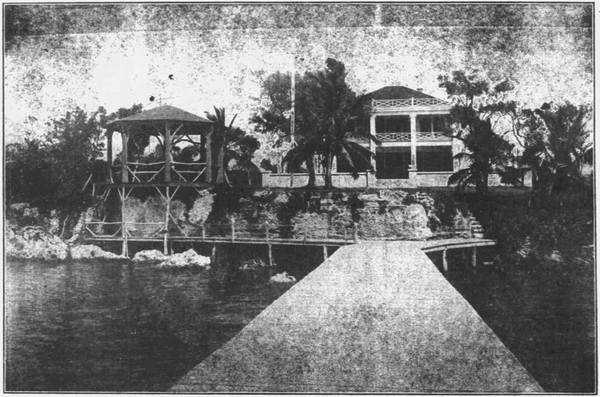
George L. Pfeiffer Residence
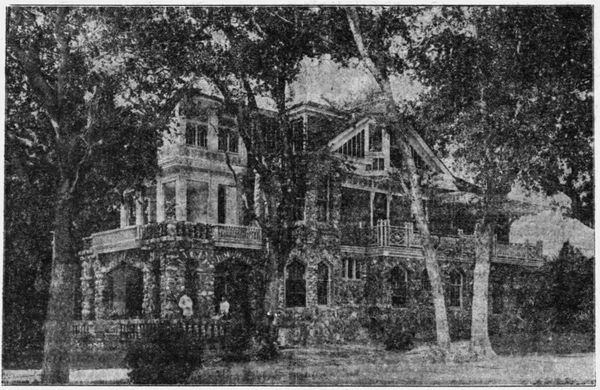
9th Street Homes
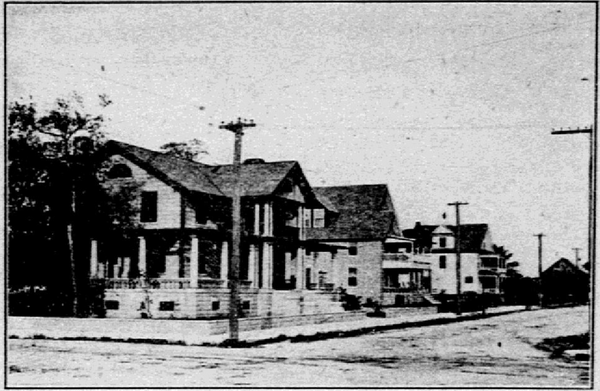
Richmond Cottage
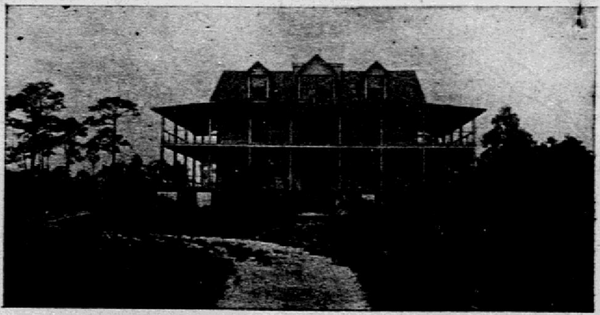
"Avenue D in the early days"
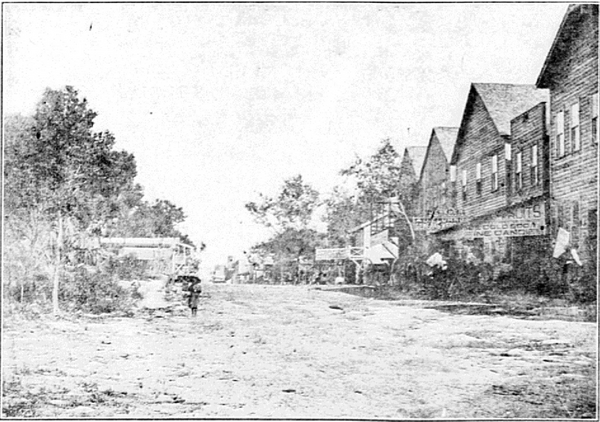
Spring Garden House on the Lake
Dr. J. Petersen's Residence
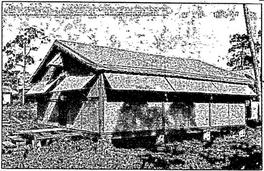
Temporary Canvas House
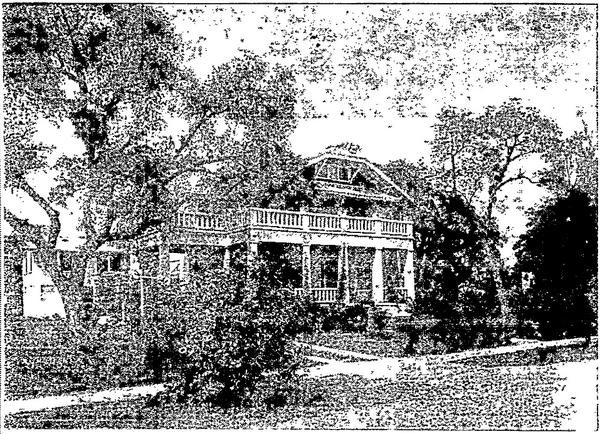
Second Avenue House
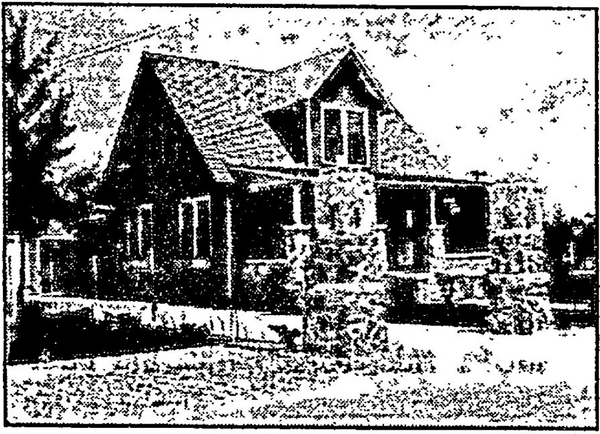
Adams Residence

Burns Residence
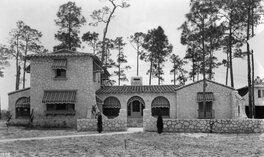
Talbot Residence
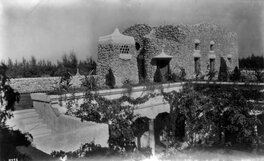
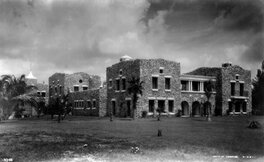
E.L. Semple Residence
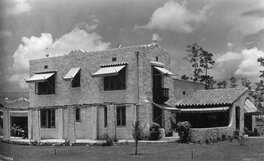
Frank Connelly's Residence
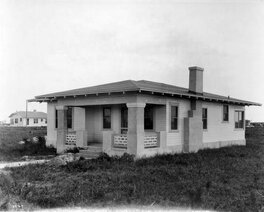
H. Prom's Residence
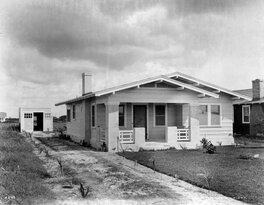
2512 Columbus Blvd
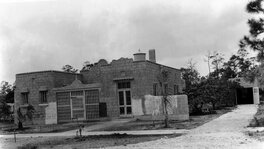
James H. Bright Residence
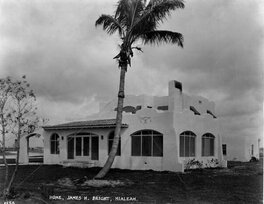
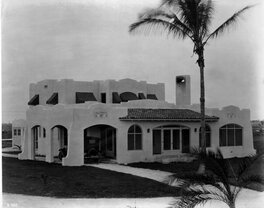
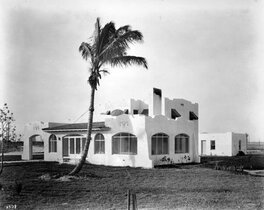

Meridian Avenue House
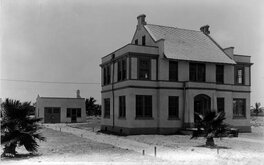
Hialeah House
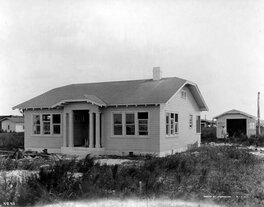
Miss Waller's Residence
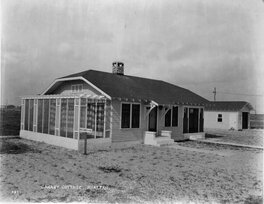
1028 Obispo Avenue House
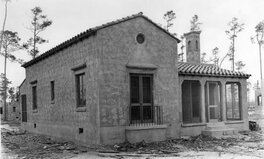
R.G. Millard's Residence
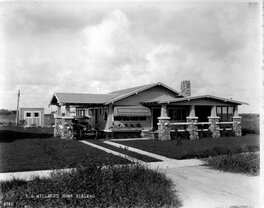
Glenn H. Curtiss Residence
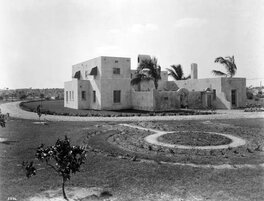
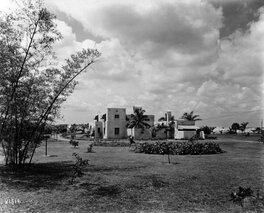
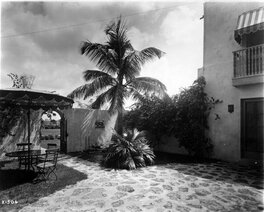

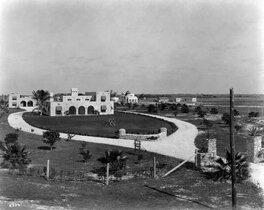
Arthur Pryor's Residence

1723 Meridian Avenue Residence
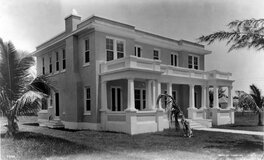
Ernest Residence


1014 Granada Boulevard Residence
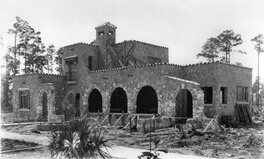
919 Granada Boulevard Residence
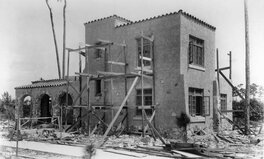
625 Minorca Avenue Residence
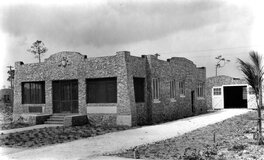
W.L. Philbrick Residence
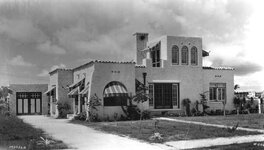
W.D. Hughes Residence
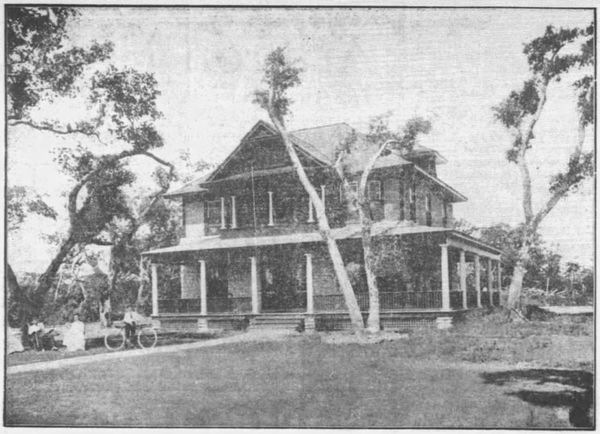
W.M. Brown Residence
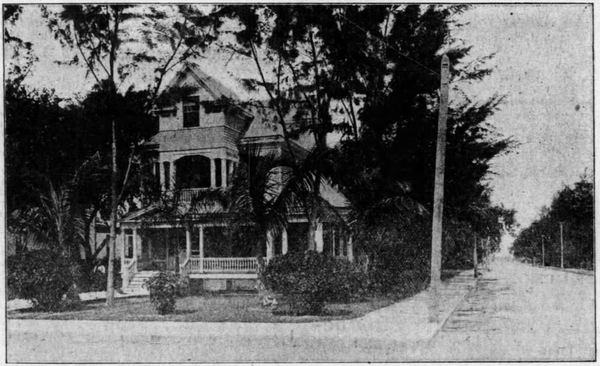
Col. W.W. Erwin's Residence
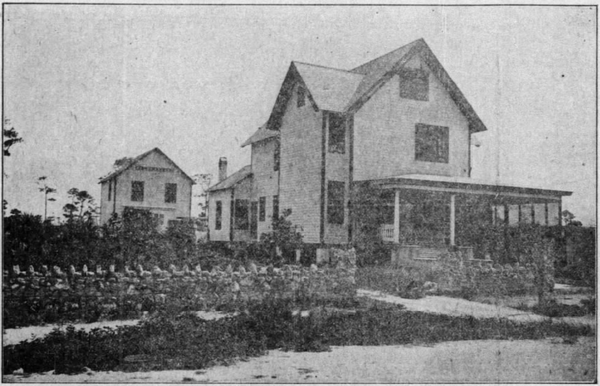
Smiley M. Tatum Residence
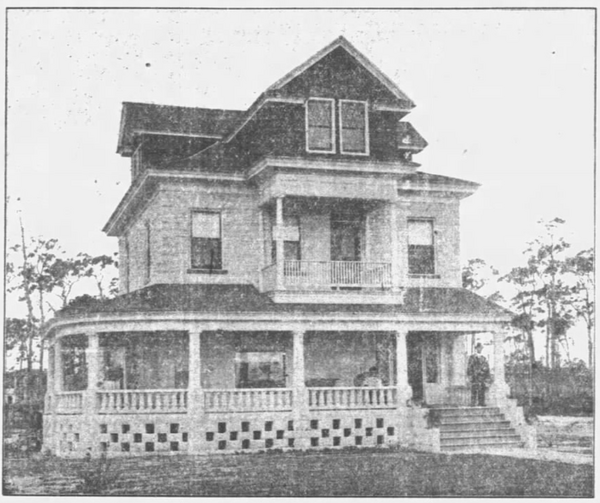
S.A. Belcher Residence
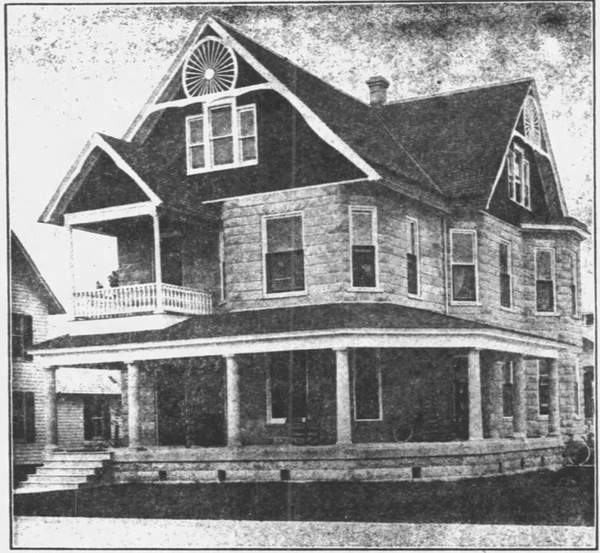
Col. W.C. Lemert Winter Home
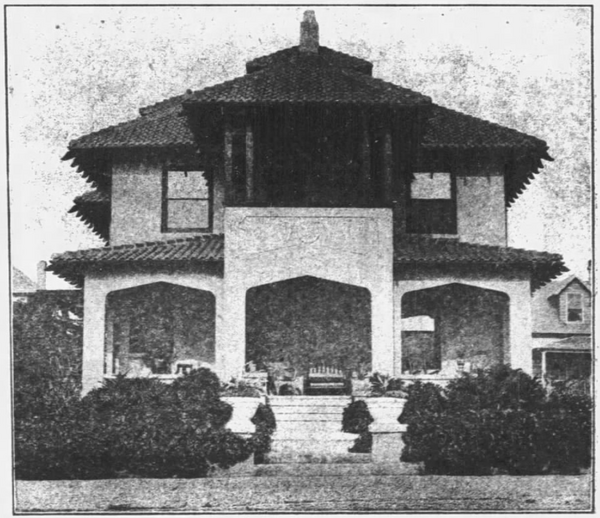
W.W. Prout Residence
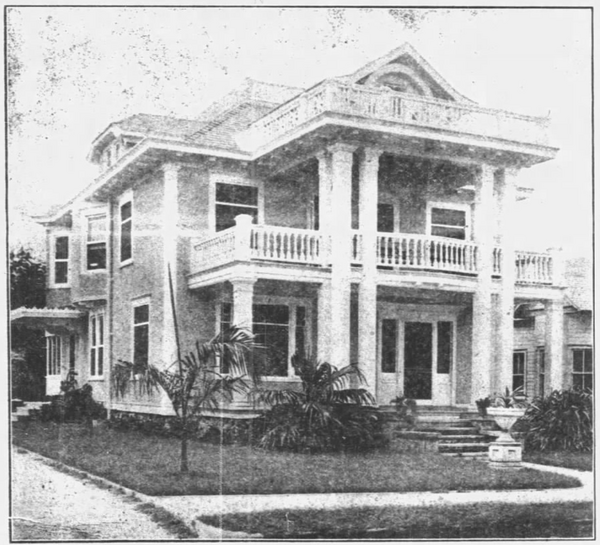
Theodore G. Houser Residence
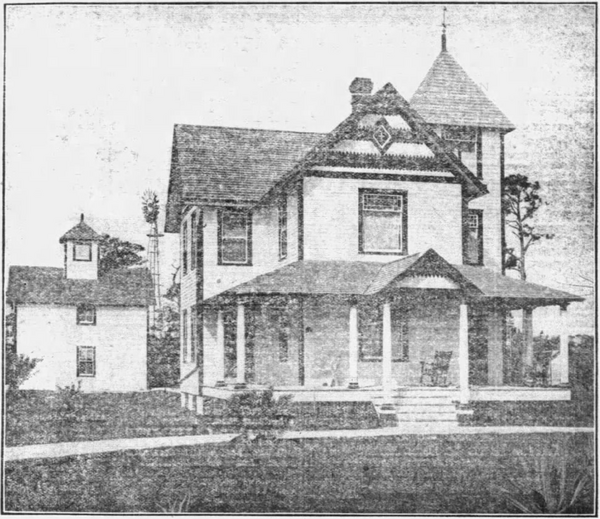
Unknown Residence
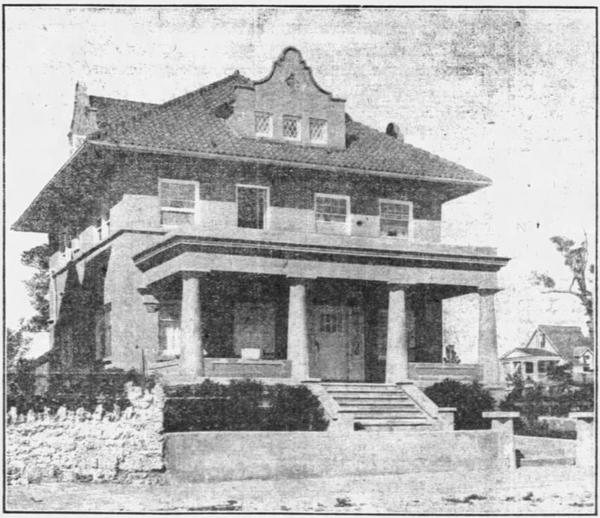
Mayor Parker A. Henderson's Residence
Estates
These images have been taken from Dade-County's book Wilderness to Metropolis. For further information, refer to the book.
Collins Avenue Estate
Collins and Suite Estates
William English Slave Quarters
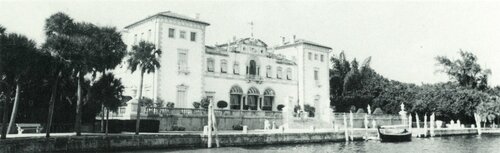
VillaVizcaya Garden View
Firestone Estate
Carl Fisher Estate
VillaVizcaya Main Entrance
Millionaires Row Waterfront House
Firestone Estate in front of under-construction Fontainebleau
Deering Estate
Villa Vizcaya from Biscayne Bay

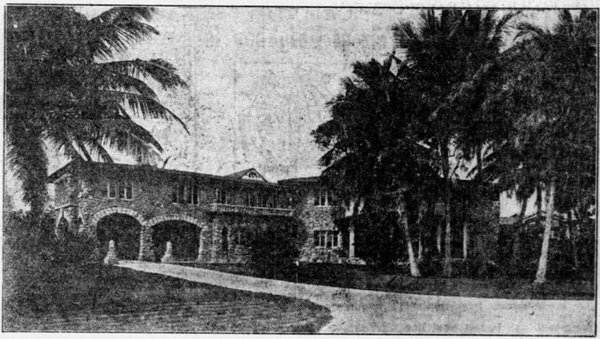
W.B. Ogden's "Tee House Plantation"
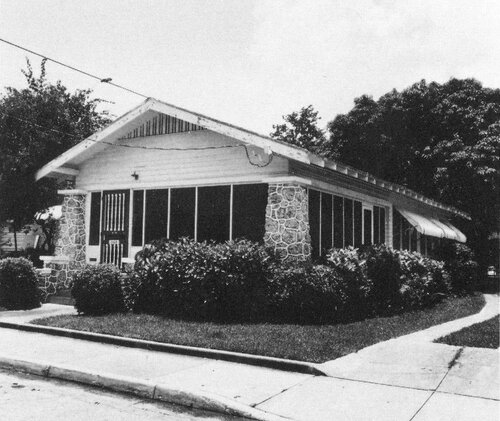
Bungalow
This type bame popular in Miami as it adapts well to the climatic conditions of the region.
Blackman Residence
Belvedere Bungalow
Parallel Bungalow
"Handsome Bungalow in Hialeah"

Bungalow in Hialeah
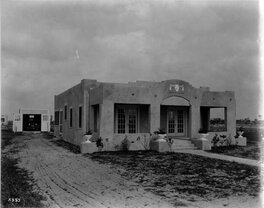
Hialeah Residence
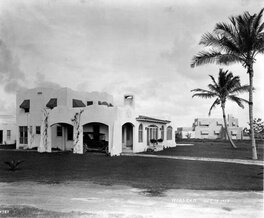
Bungalows in Edgewater
Belvedere Bungalow with 2 Floors
West Fifth St Bungalow for Sale

Spanish Bungalow in Hialeah


Hialeah Home
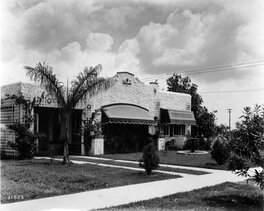
Bungalow with Multiple Roofs
Typical Bungalow
Point View Bungalow for Sale
Tatum Family Bungalow
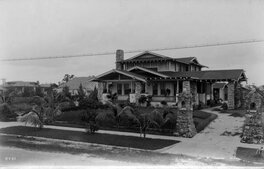
Meridian Avenue House

Miami Beach Residence

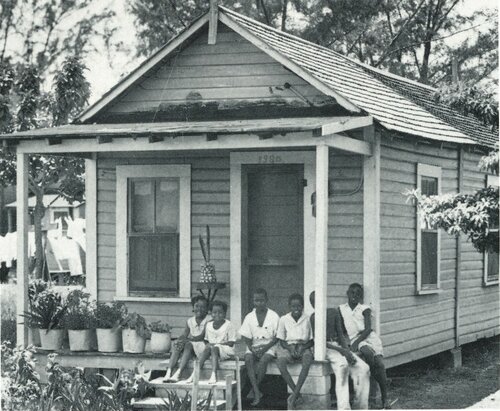
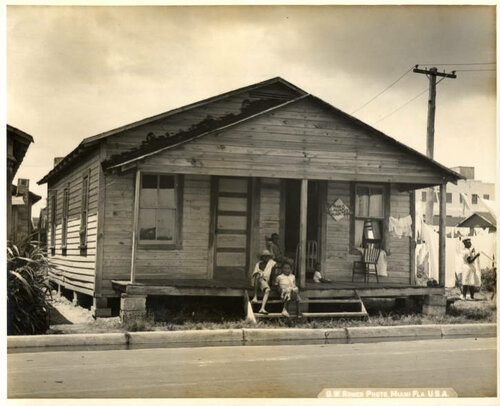
Overtown
House in Overtown
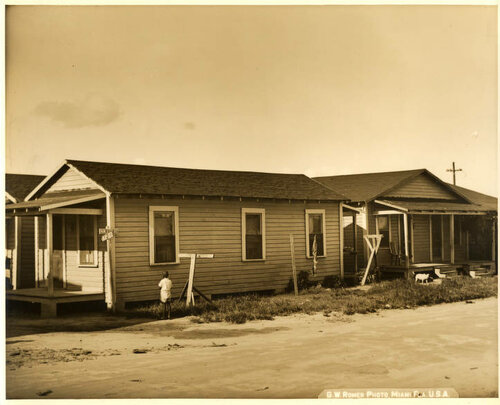
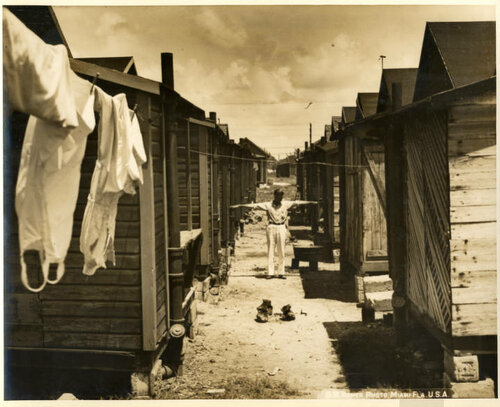
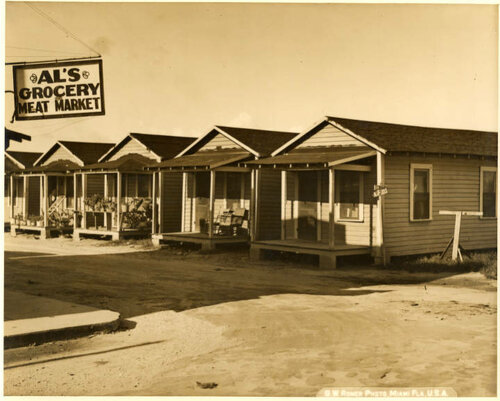
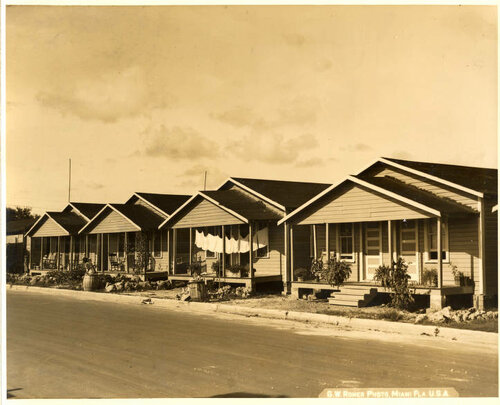
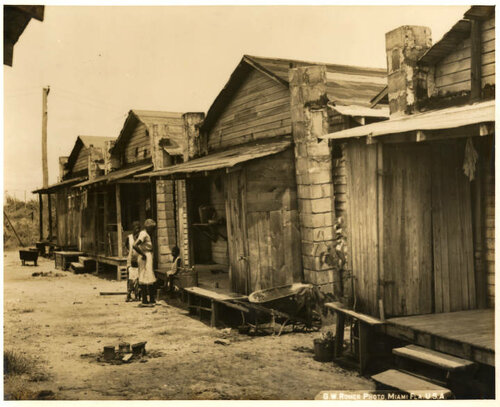
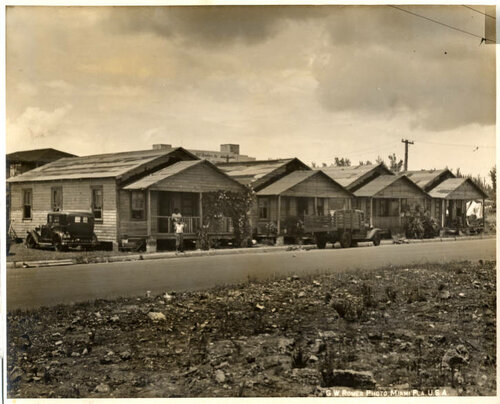
Shotgun Houses
Brown Residence
Colored Town Shotgun Houses
Hotel Typology
Hotels have shaped Miami since its founding, as tourism drove much of the city's growth. Railroad-era resorts came first, followed by grand 1920s Mediterranean Revival landmarks such as the Biltmore. In the 1930s, Miami Beach's compact Art Deco hotels defined a streamlined, tropical style. Postwar MiMo resorts like the Fontainebleau brought scale, curves, and glamour to Collins Avenue. Today's high-rise towers, boutique conversions, and luxury resorts carry the typology forward.
The Miami Hotel, Miami's First Hotel
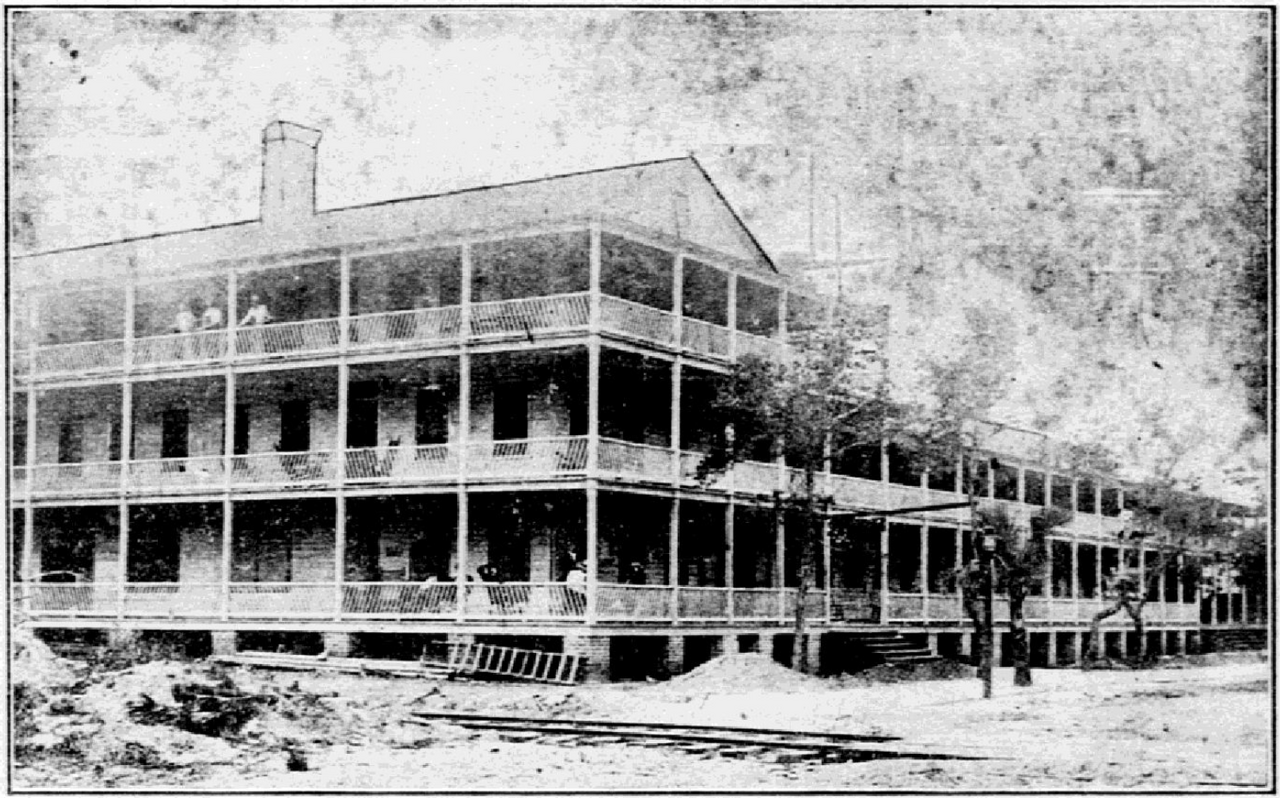
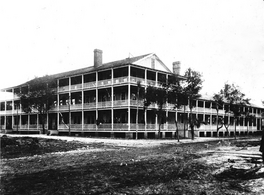
Royal Palm Hotel
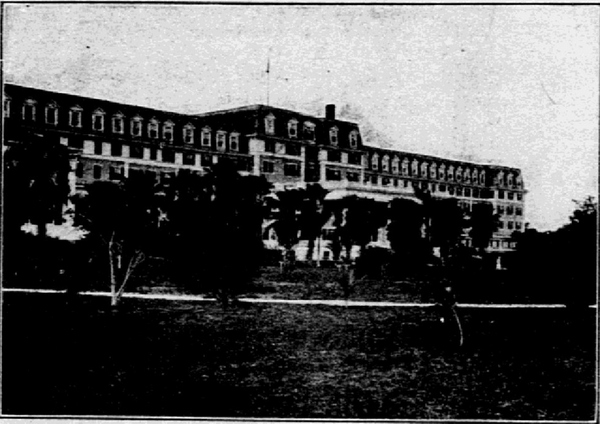
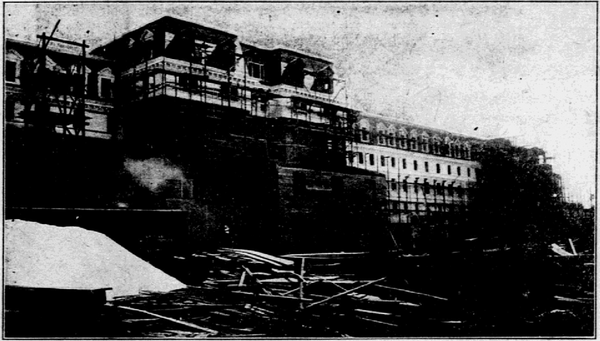

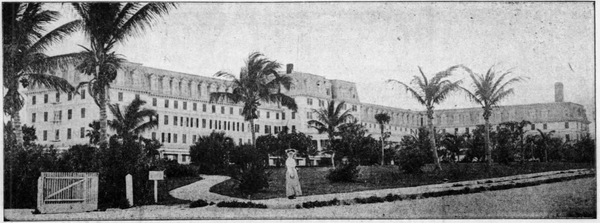
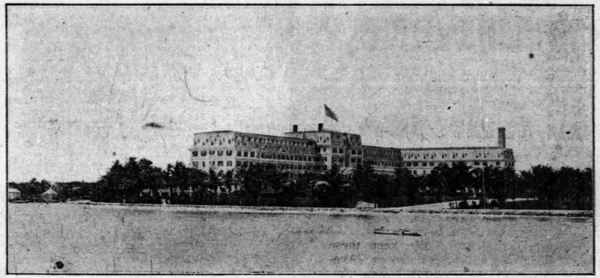
Baird Vista Hotel

Hotel Alabama
Lincoln Hotel
Hotel Wofford
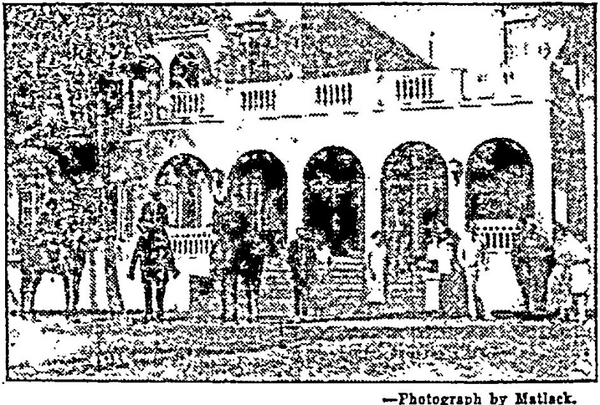
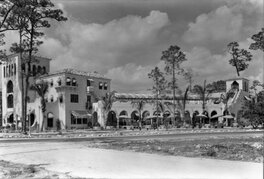
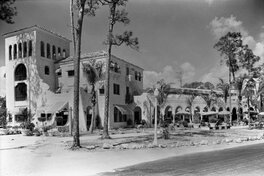
Columbus Hotel
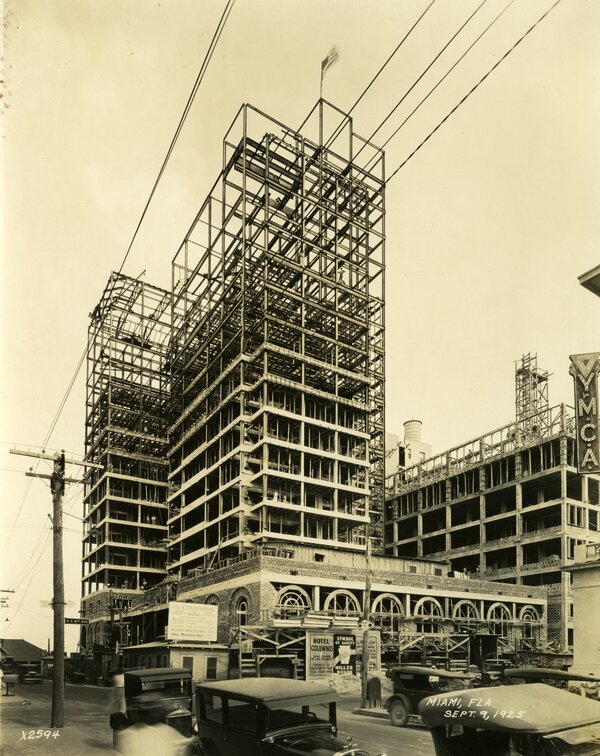
McAllister Hotel
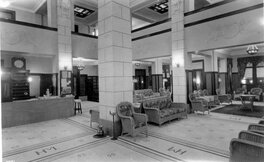

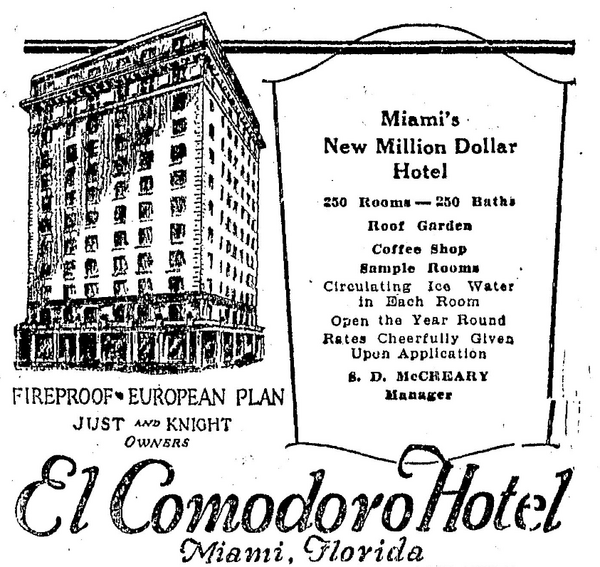
El Comodoro Hotel
The Rocklyn

The Rutherford
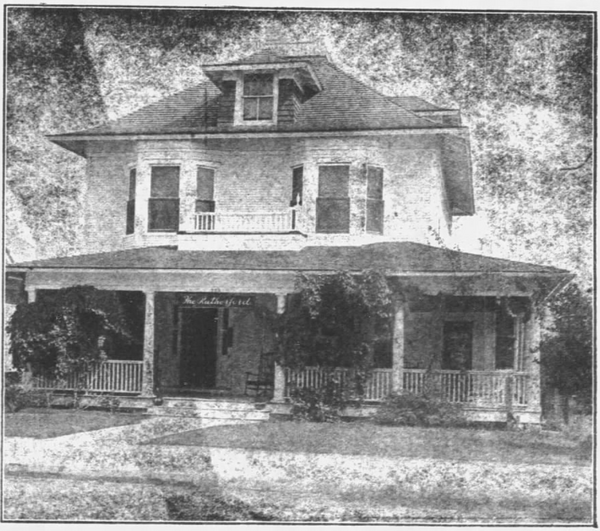
San Carlos Hotel
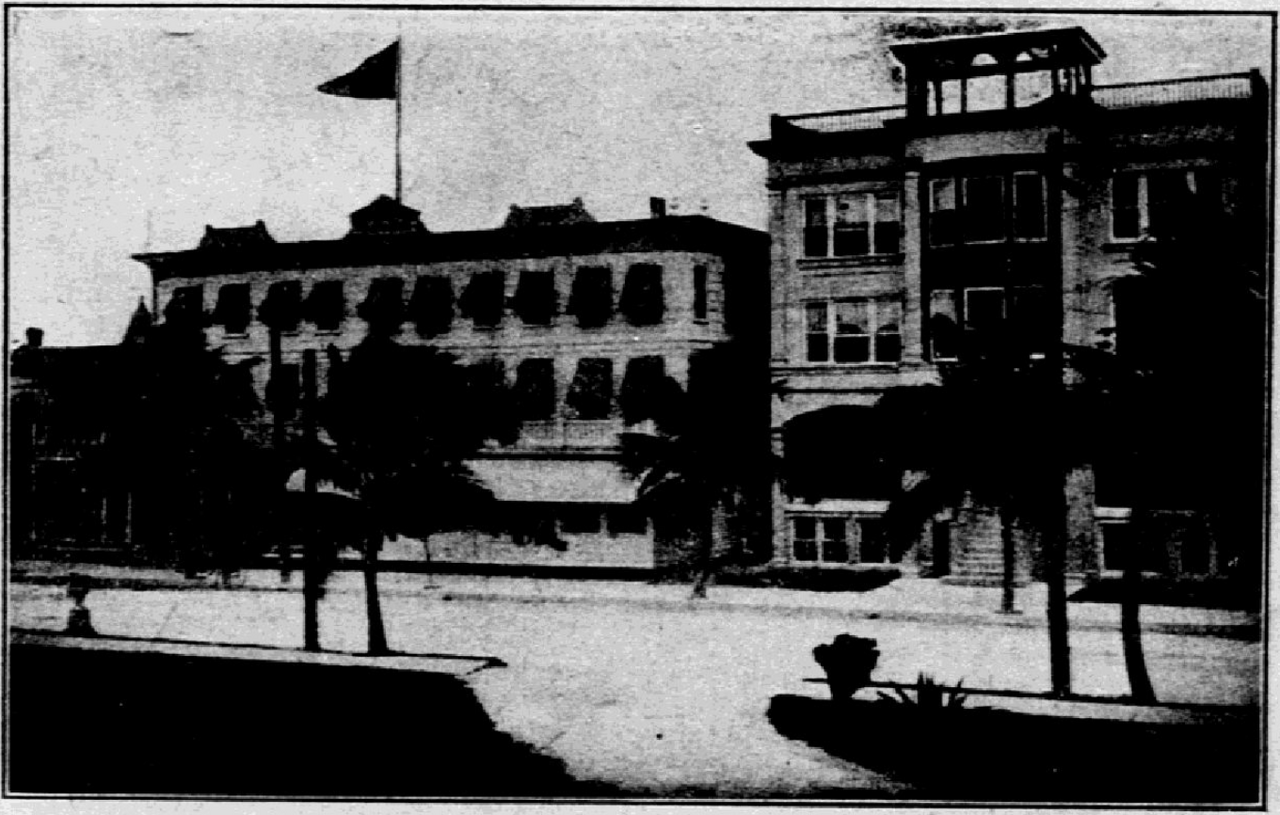
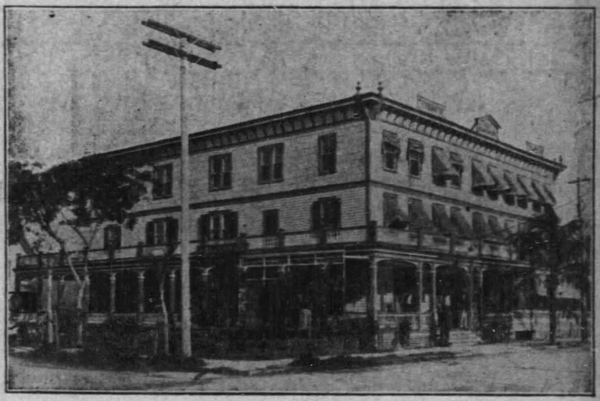
Hotel Halcyon

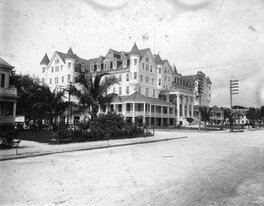
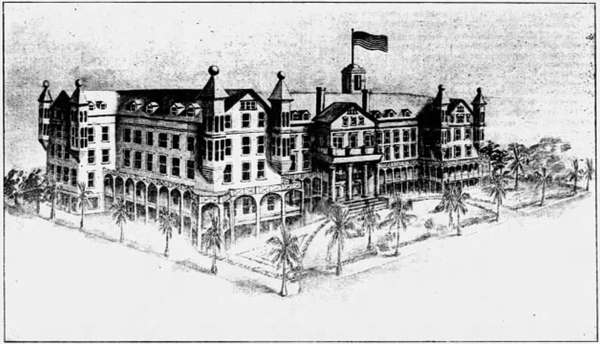
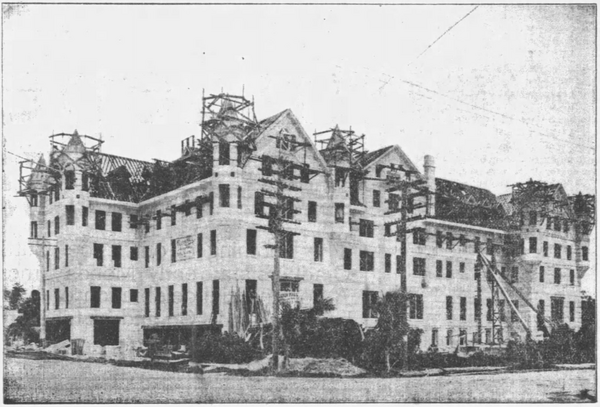
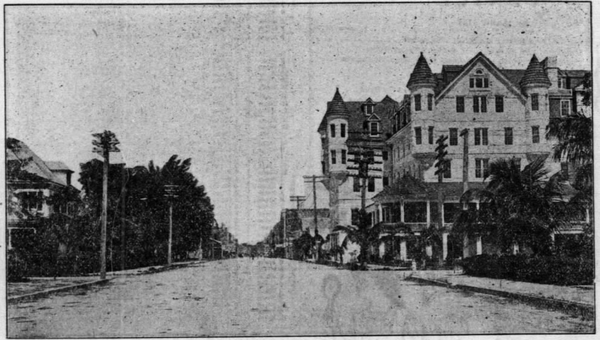
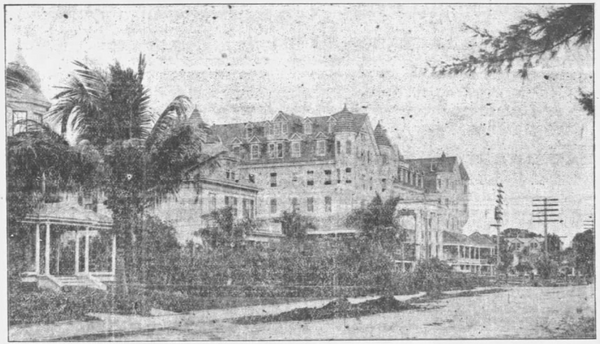
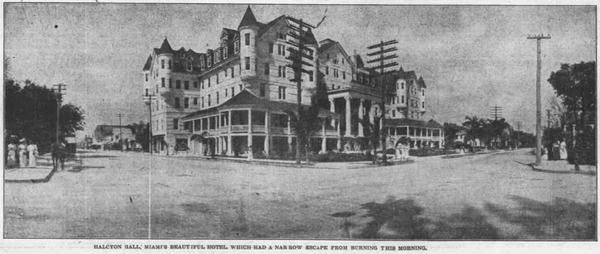
Hotel Casa Grande
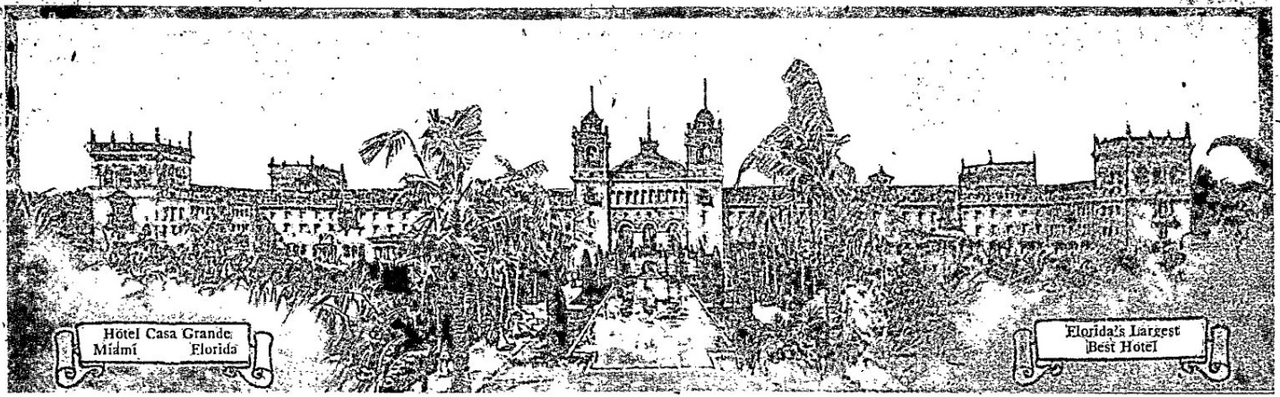
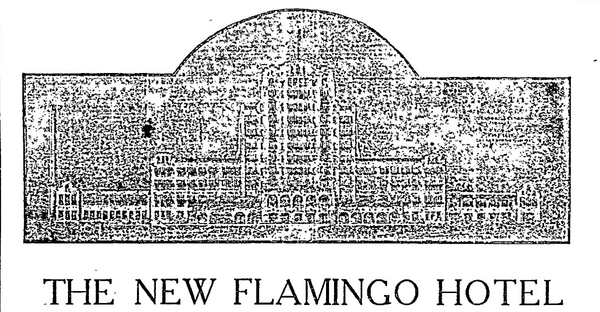
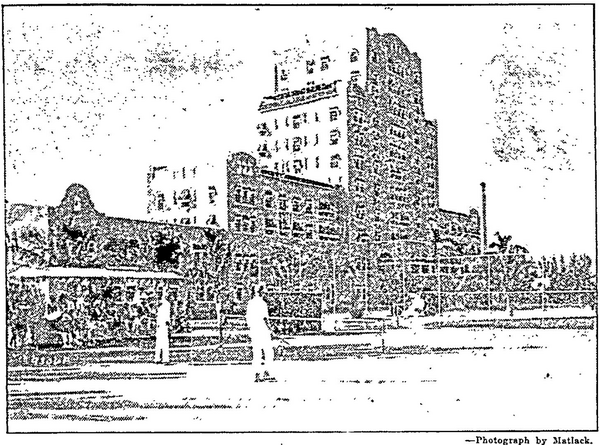
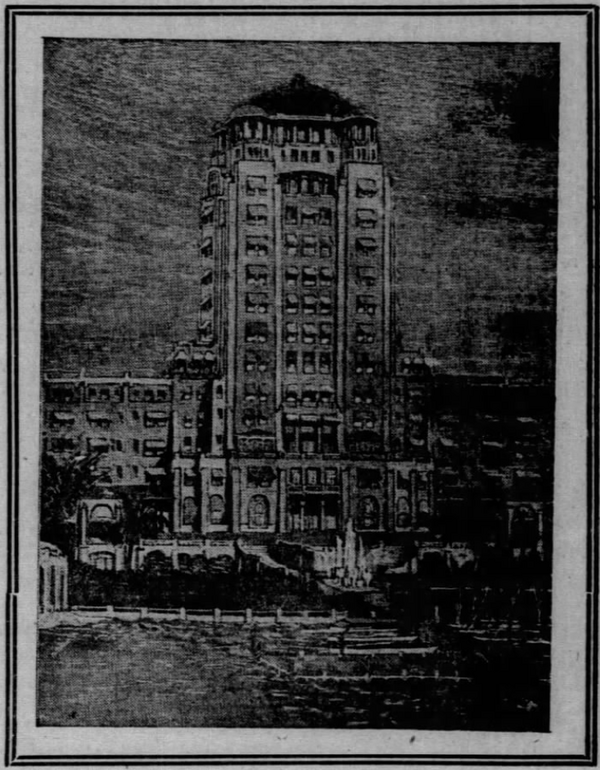
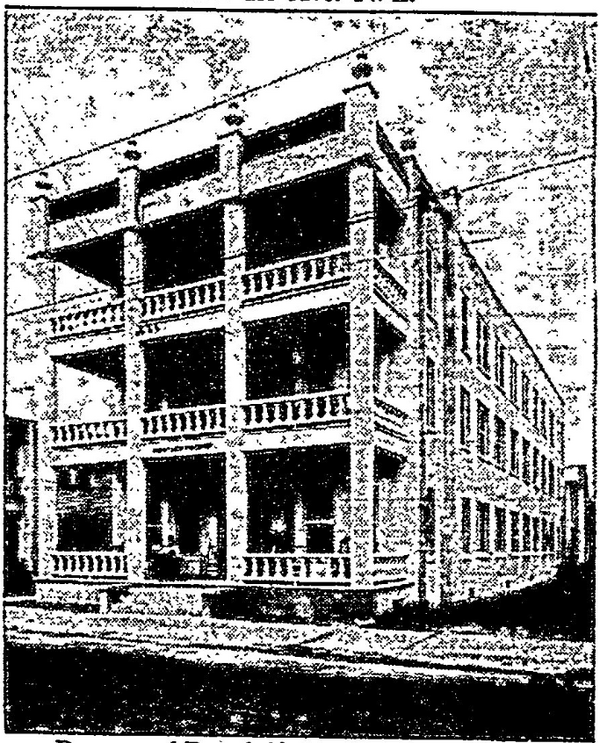
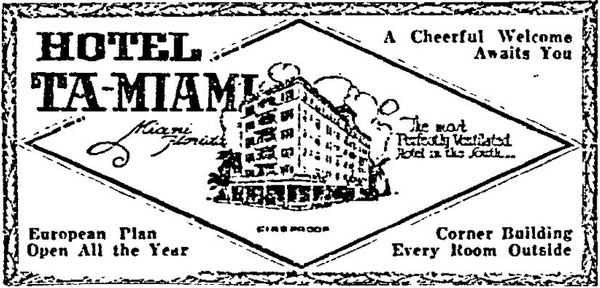
Hotel Ta-Miami
Casa Loma Hotel
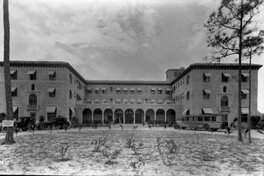

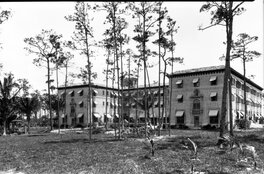
Hotel Frances
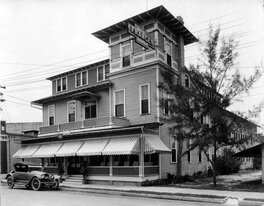
The Southern Hotel

Hotel McCrory

Hotel Pershing
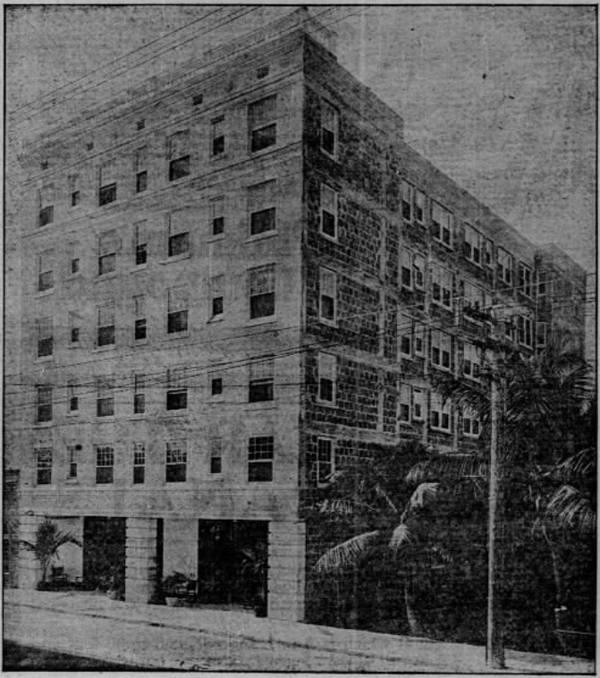
The Gralynn Hotel
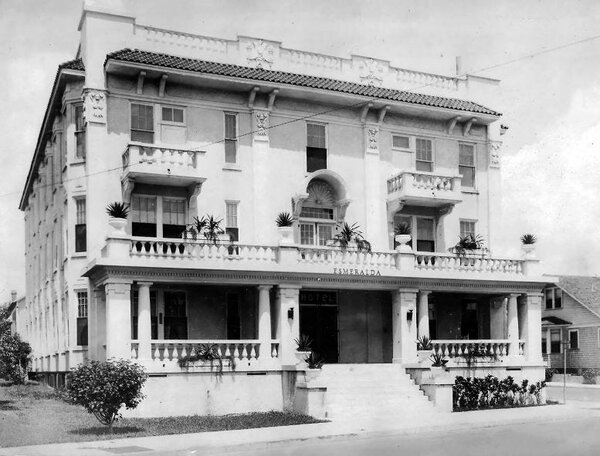
The Esmeralda Hotel
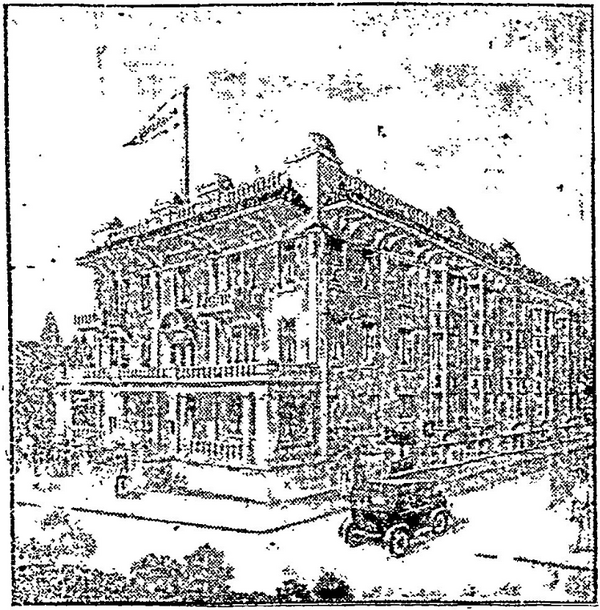
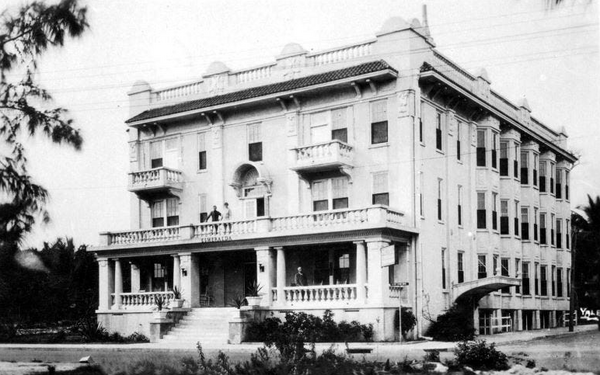
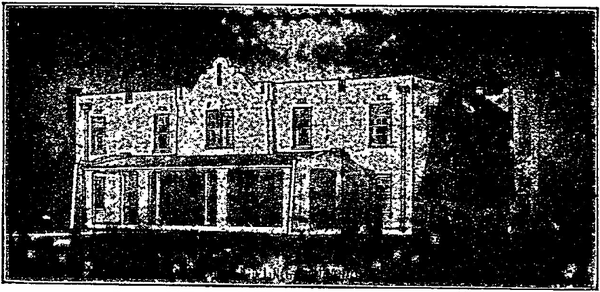
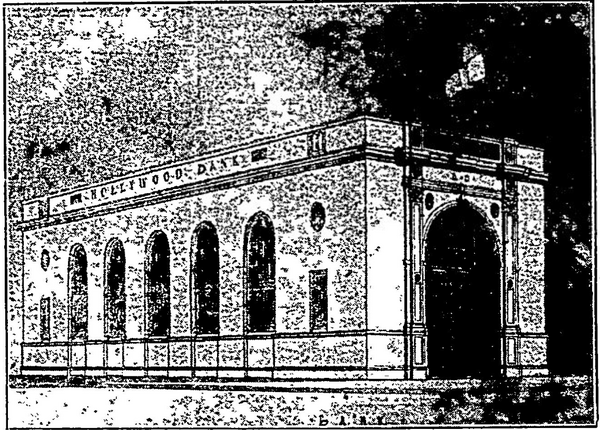
Hollywood-by-the-Sea

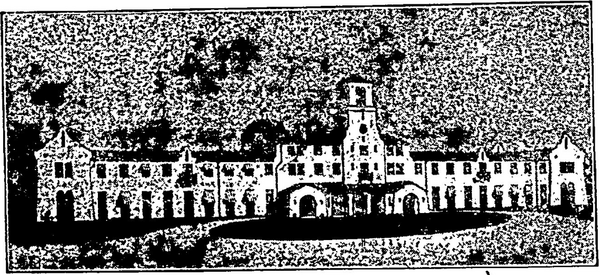

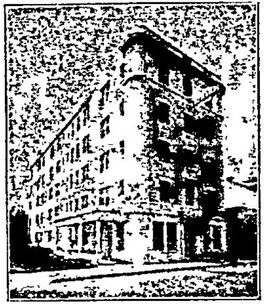
McKinnon Hotel
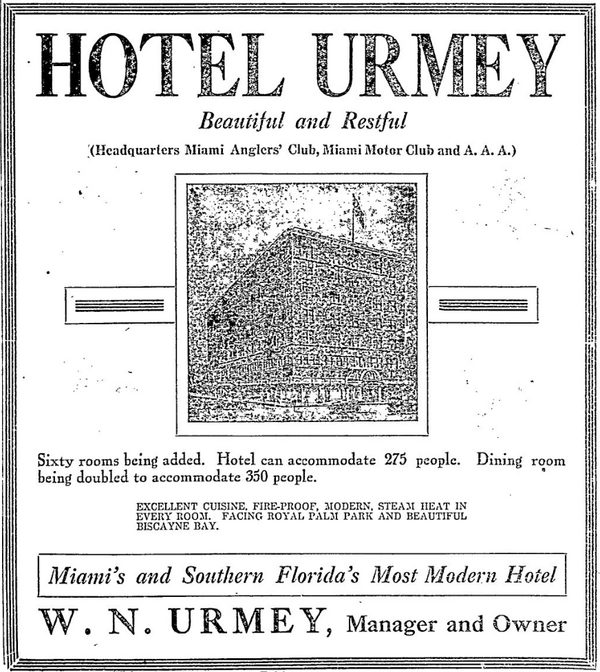
Hotel Urmey
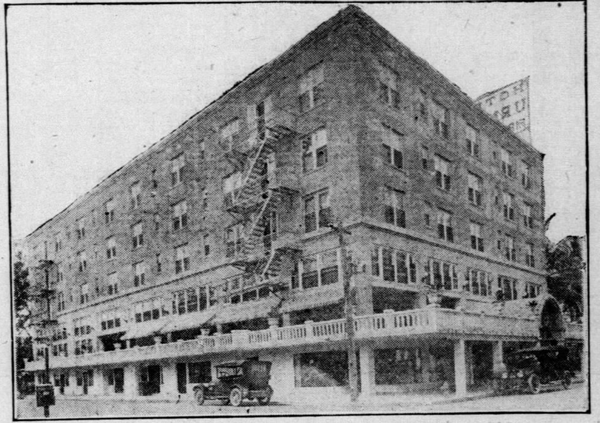
The Oaks Private Boarding House
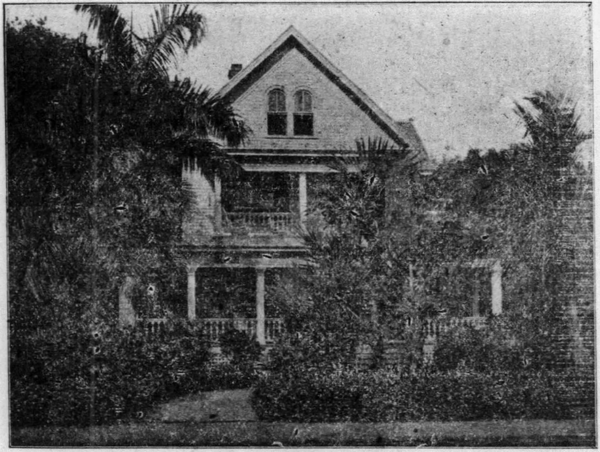
The Green Tree Inn
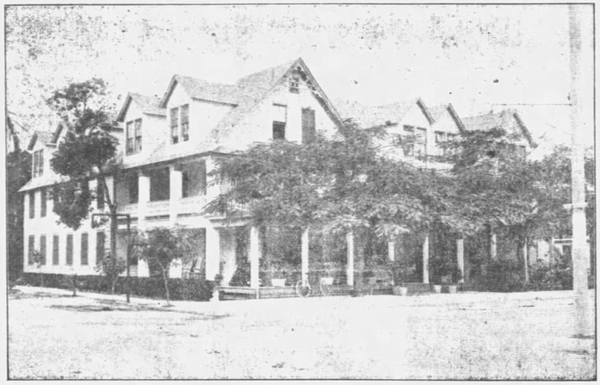
Ft. Dallas Hotel
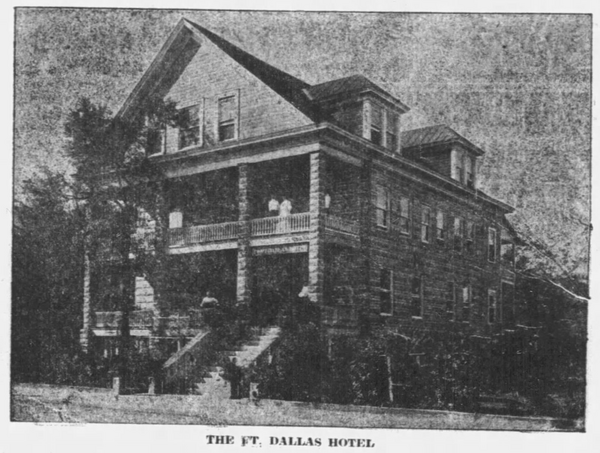
Wells Hotel
Hotel Paramount
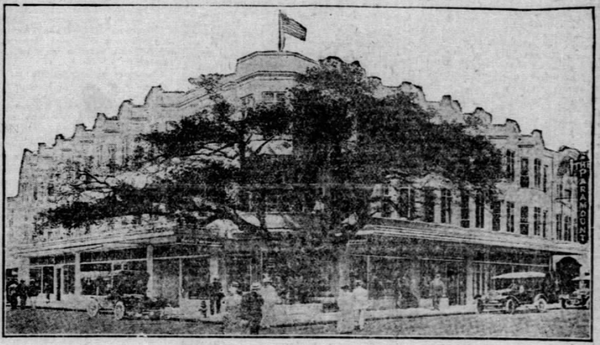
Commercial Building Typology
Early wood-frame stores gave way to masonry blocks along Flagler Street and Miami Avenue, which became the downtown main street. The 1920s brought Mediterranean Revival storefronts, arcades, and theaters, while Coral Gables planned its commercial districts with the same style. In the 1930s and 40s, Art Deco and Streamline storefronts gave retail a modern face.
After the war, growth moved to the suburbs, bringing shopping streets like Miracle Mile, strip centers, and enclosed malls like Dadeland. Since the 1980s, glass office towers in Brickell and downtown, along with mixed-use developments, have redefined the typology.
Twelfth Street, Business District

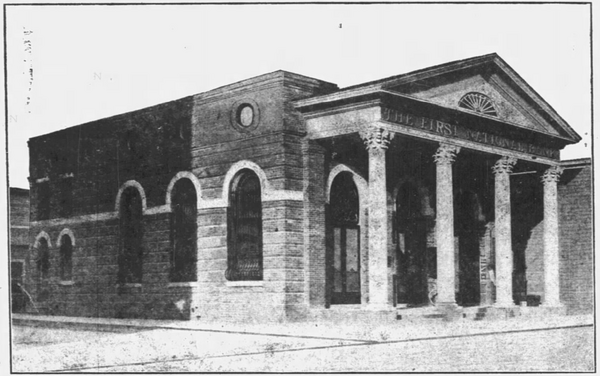
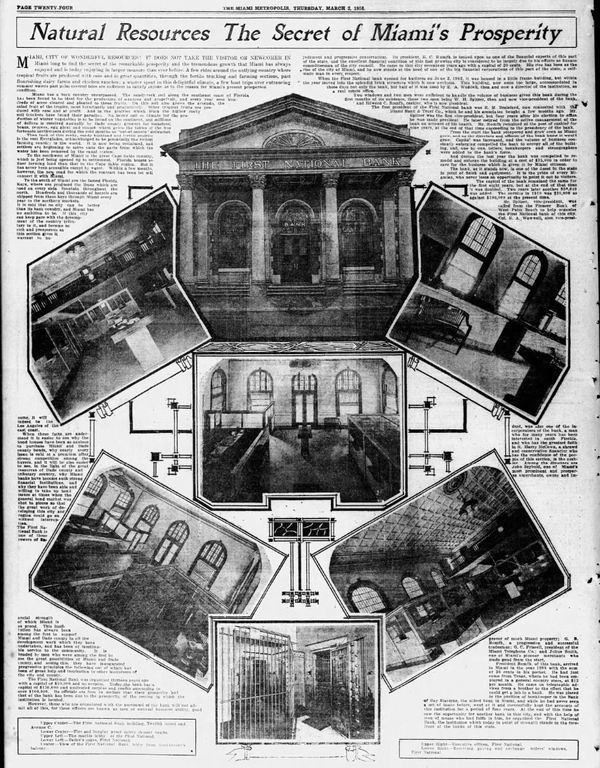
First National Bank
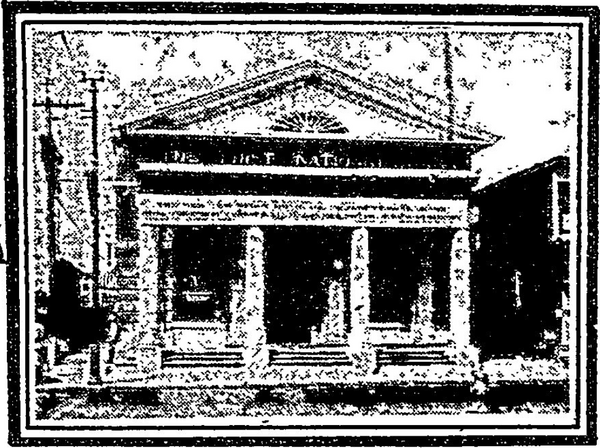
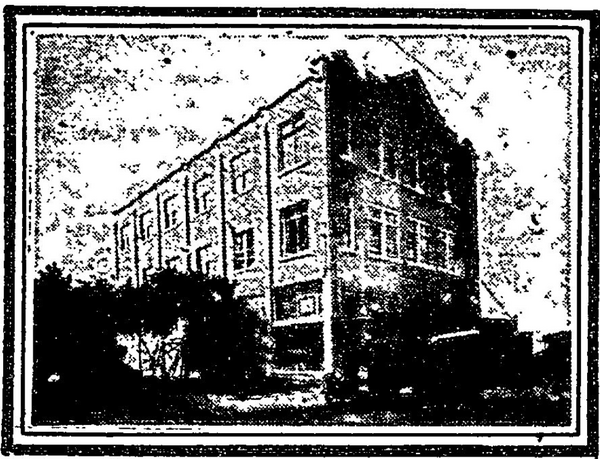
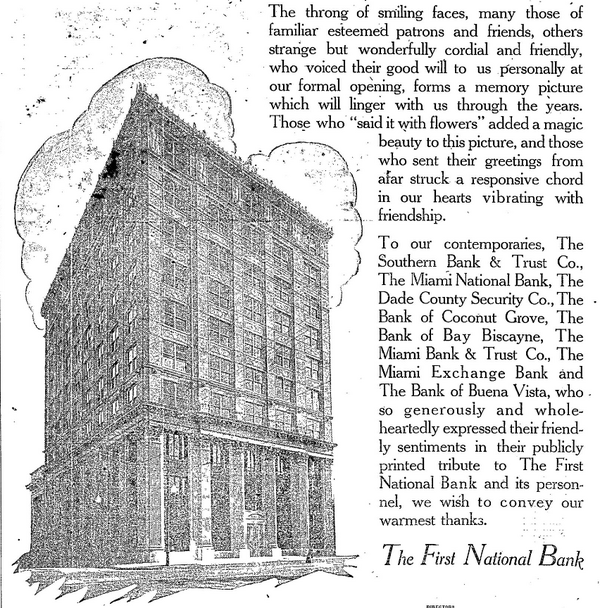
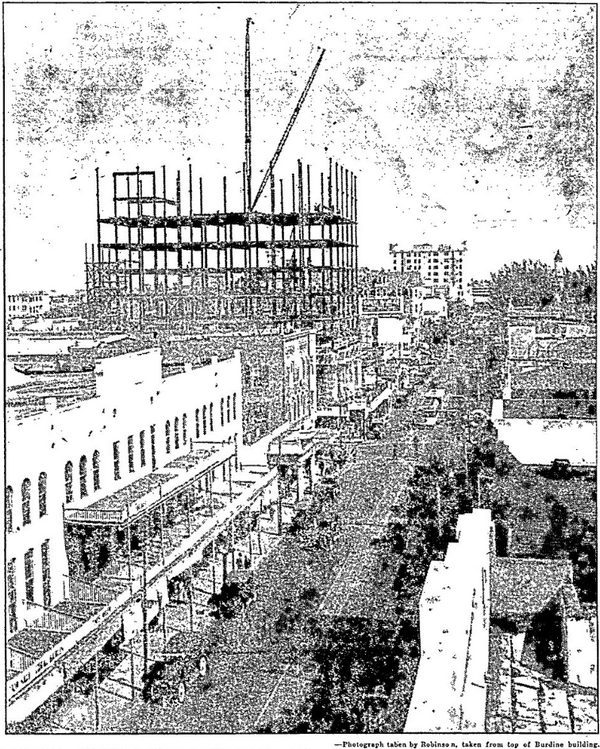
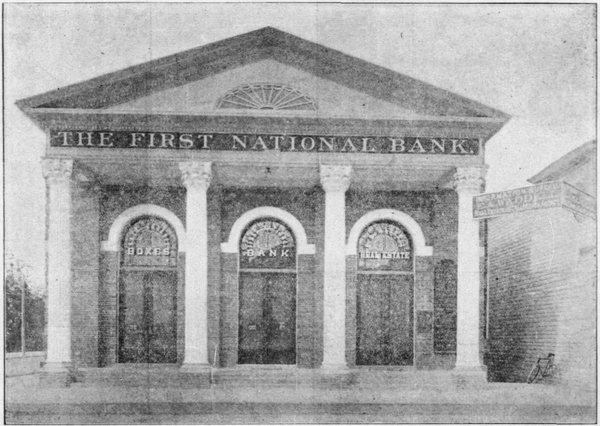
Fidelity Bank and Trust Company

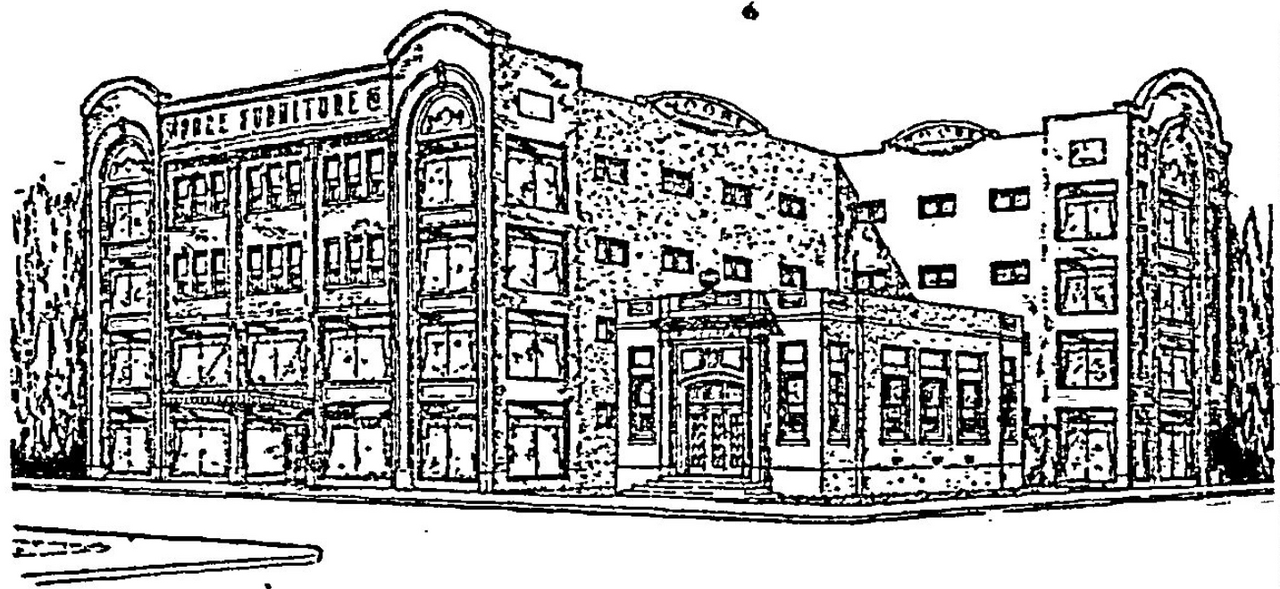
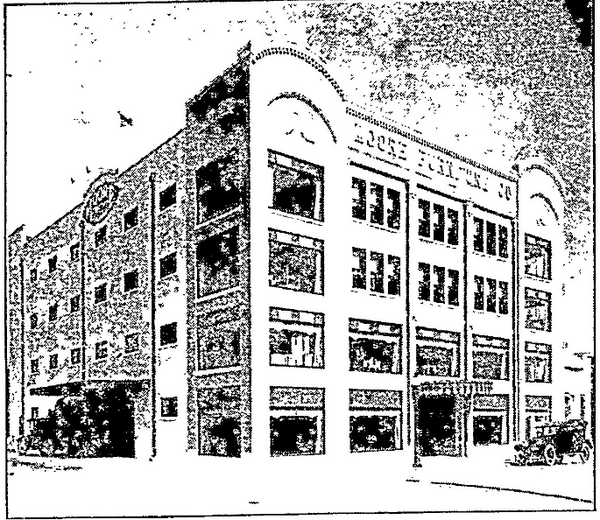
Moore Furniture Company

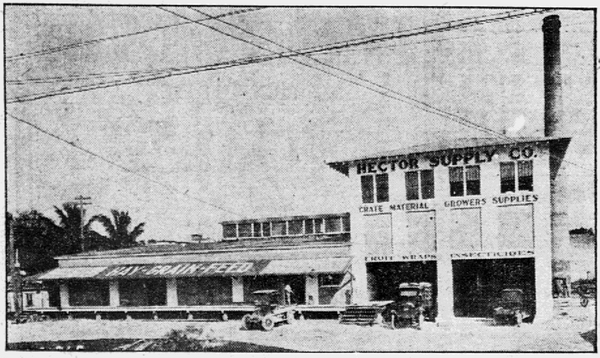
Hector Supply Co.
Seybold's Central Arcade Building
"The Central Arcade building is the first structural steel building erected in Miami."
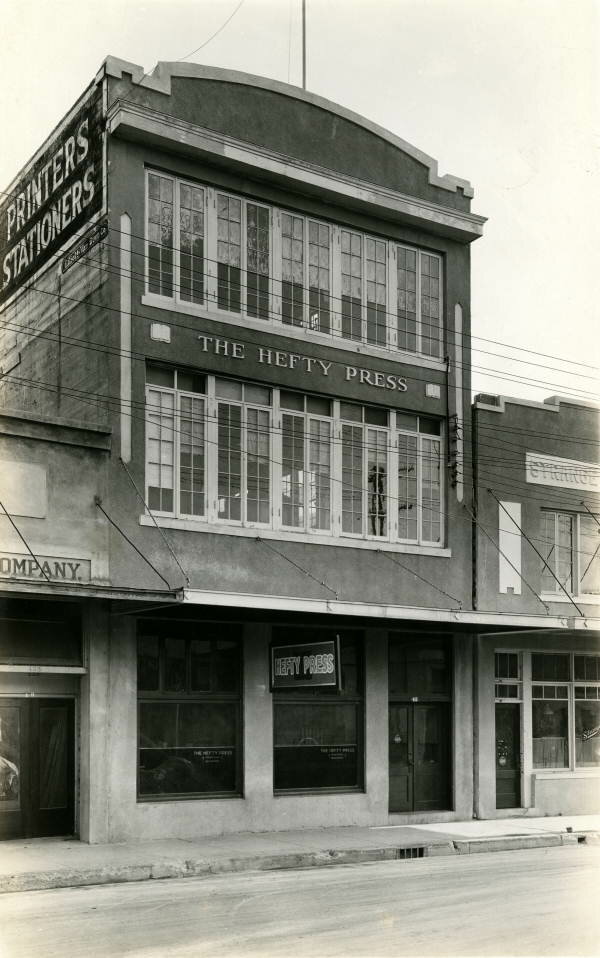
The Hefty Press
Miami Metropolis Newspaper Building
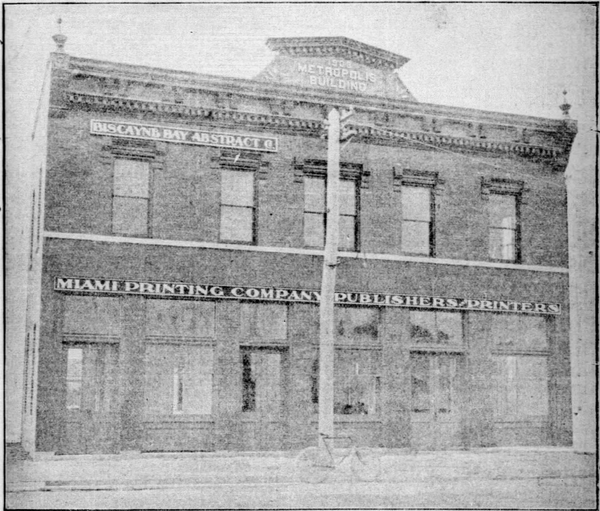
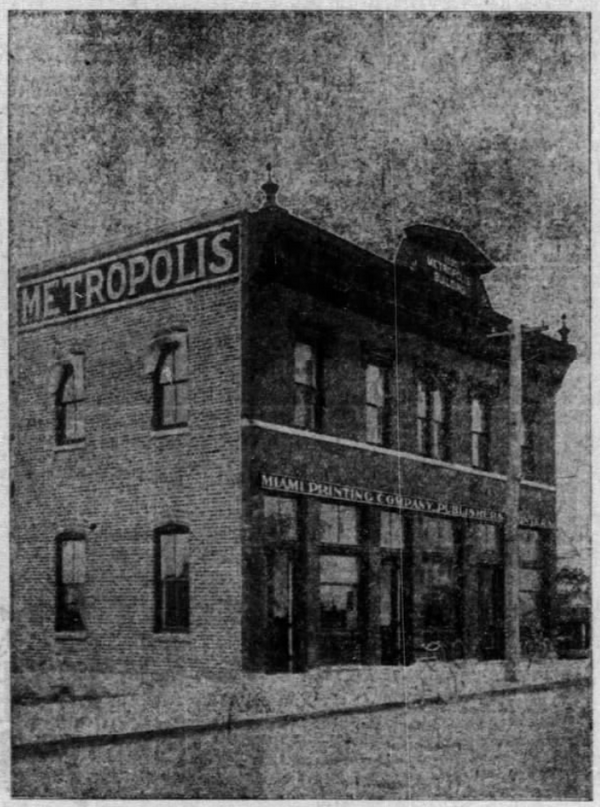
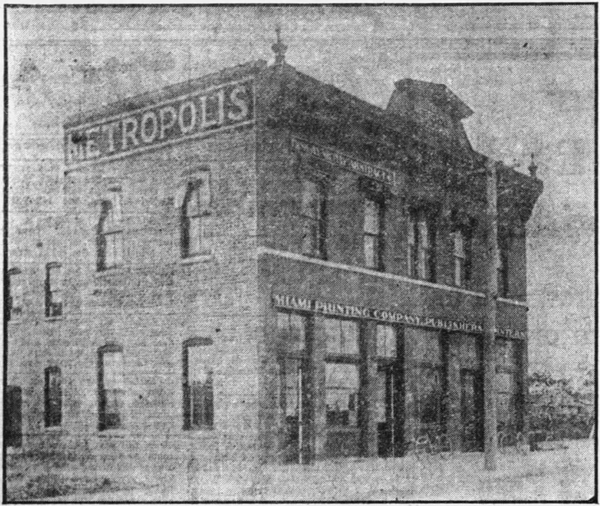
Hatchett Building ?
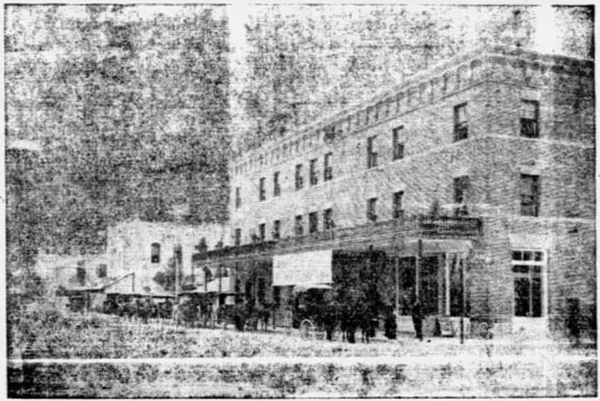
Watson Building
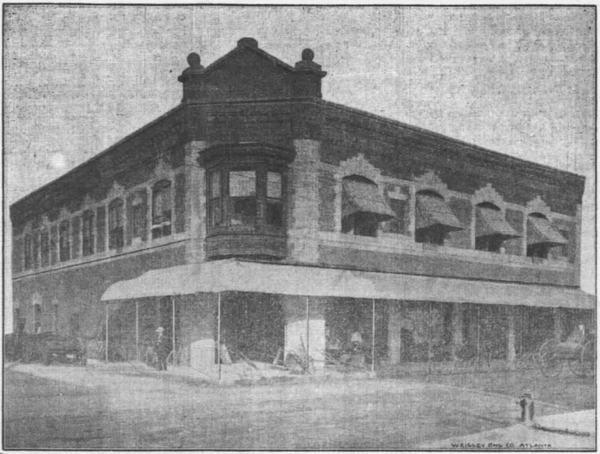
Miami Hardware Company
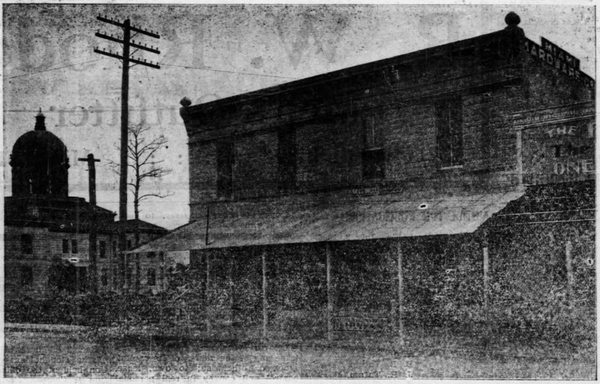
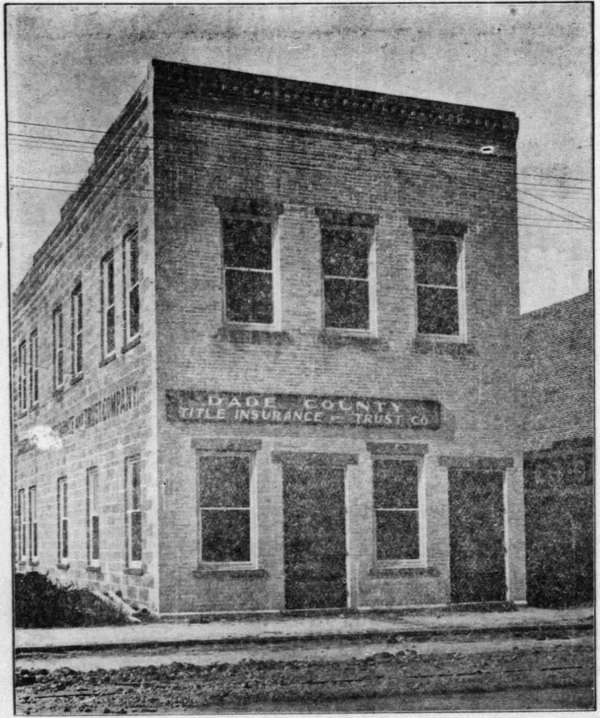
Dade County Title Insurance & Trust Company
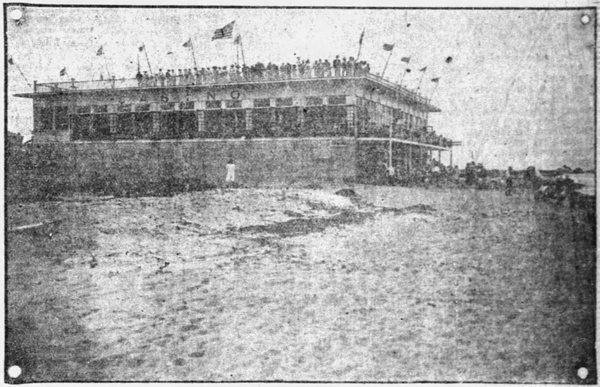
Ocean Beach Casino
McAllister Garage
*Link includes other McAllister Properties and article "Women Have Played an Important Part in the Building of Miami"
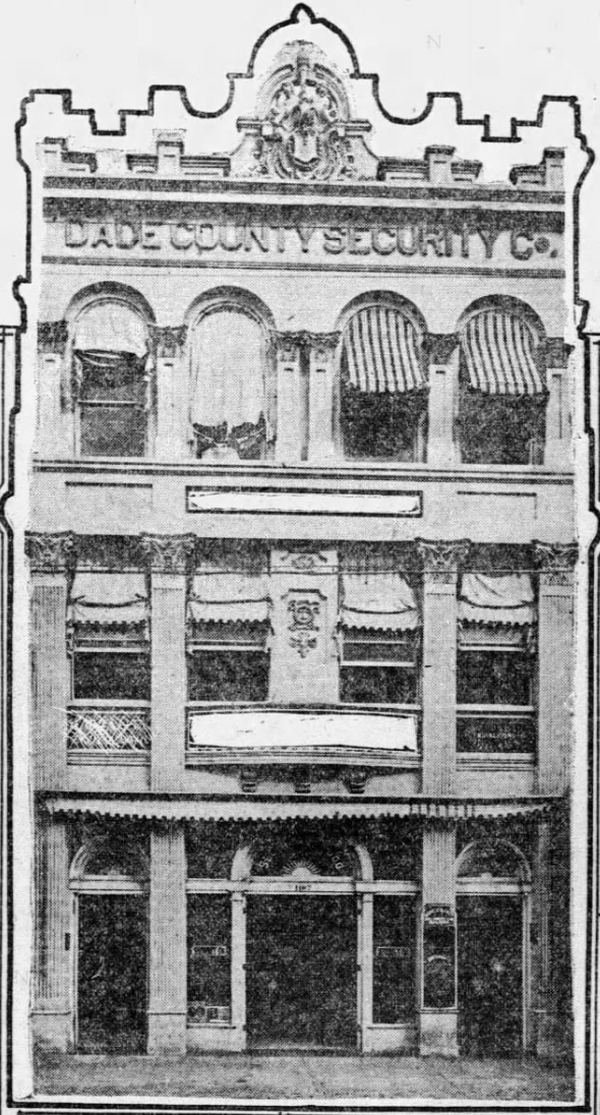
Dade County Security Co.
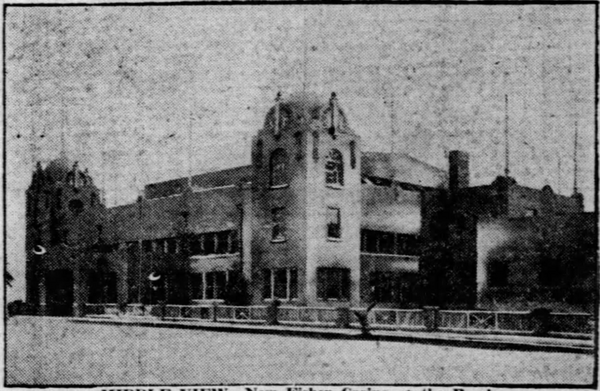
Fisher Casino
Concrete Business Block
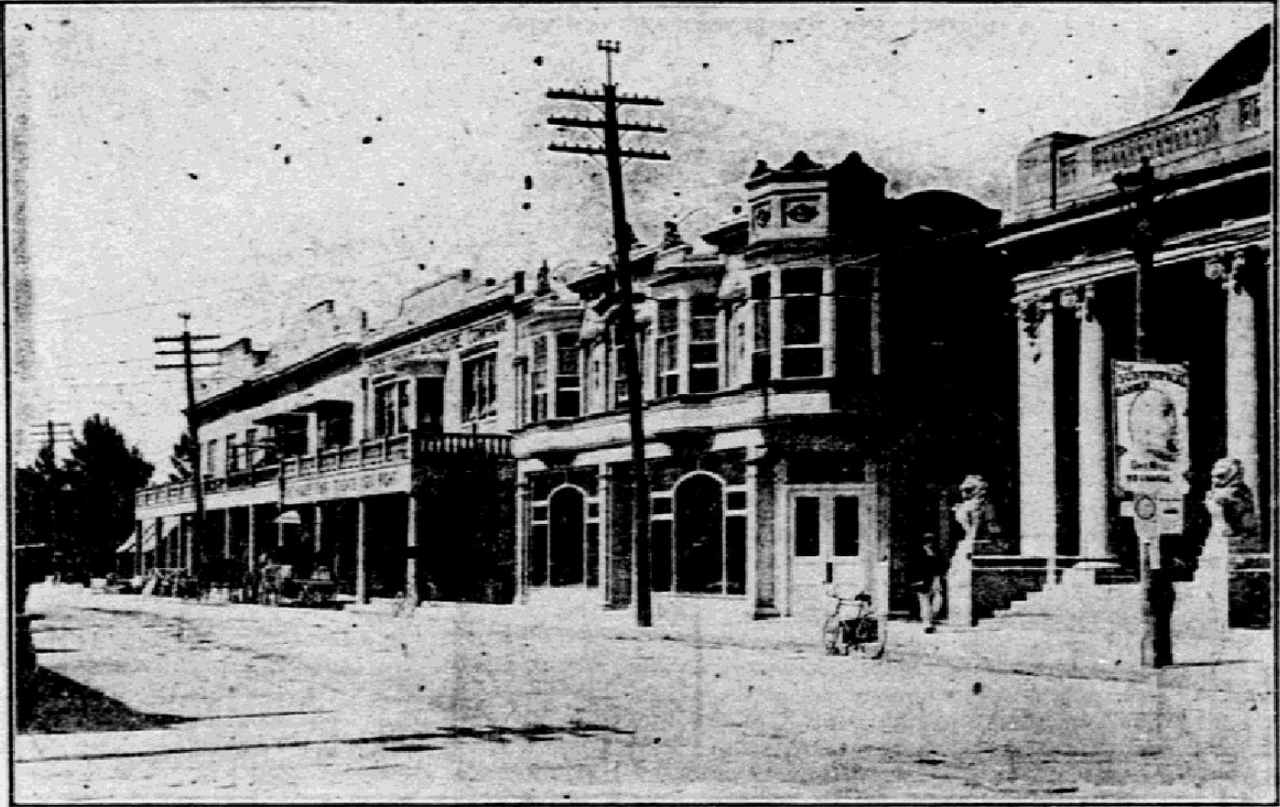
Bank of Bay Biscayne
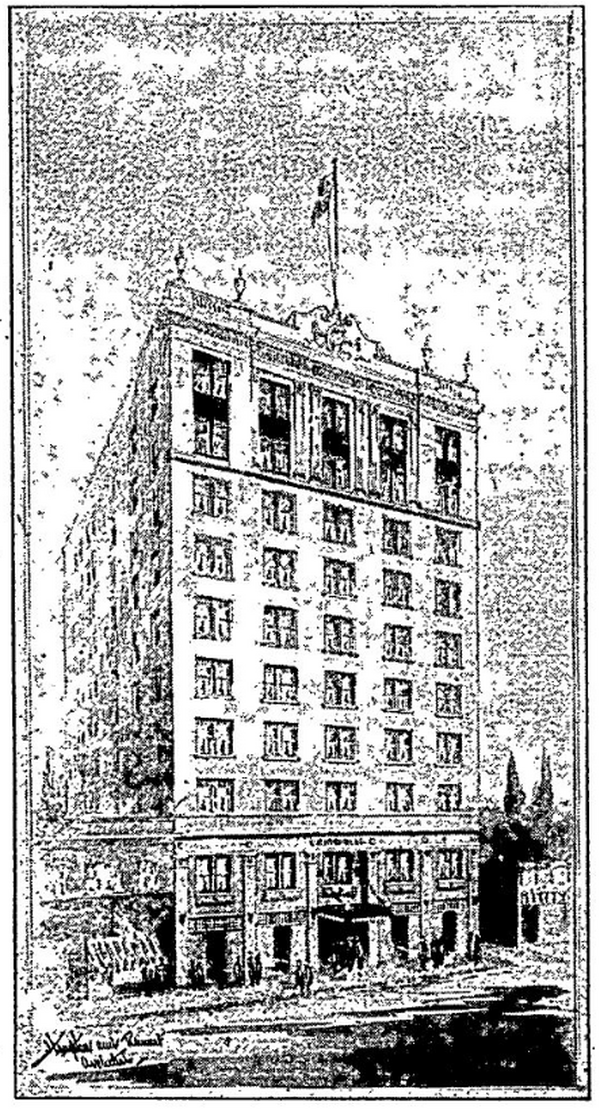
Bedford Building

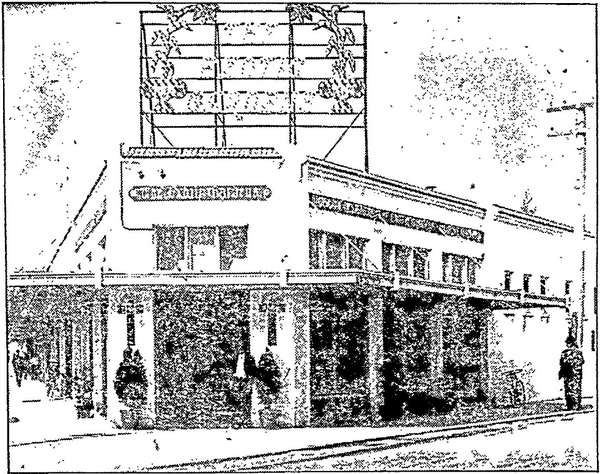
Floral Store of the Exotic Gardens
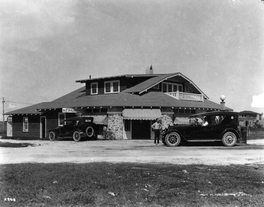
Automobile Repair Shop
Miami Beach Building

Ryan & Knight
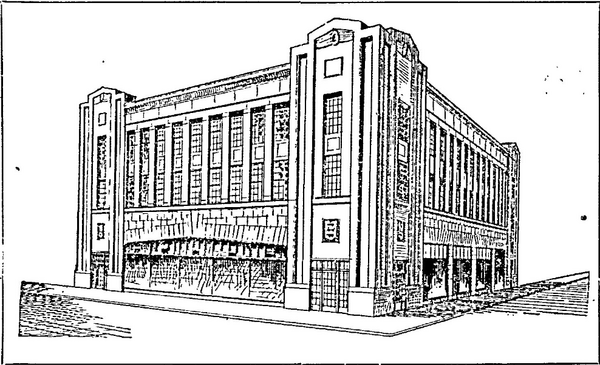
Studebaker Car Building
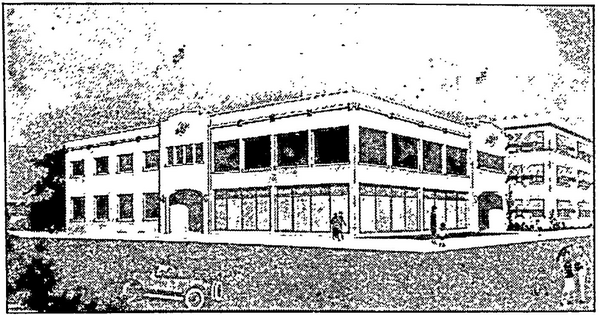
Vail Arcade Building
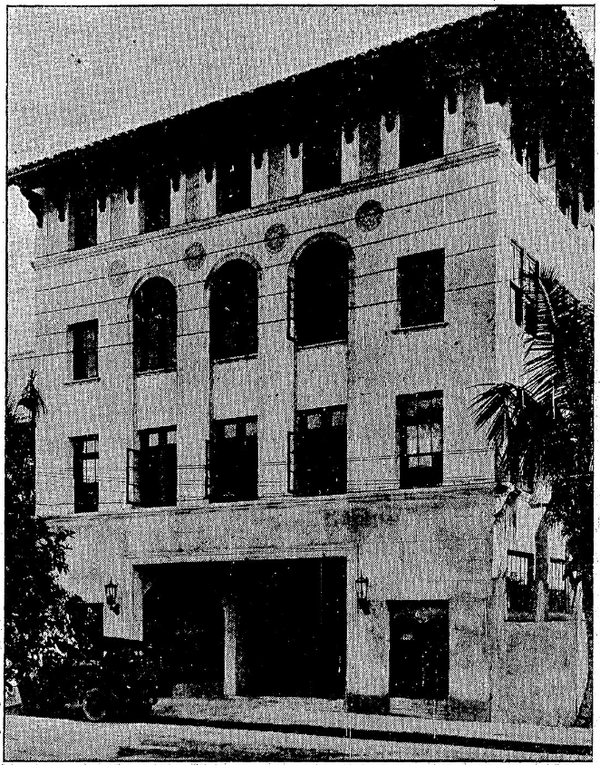
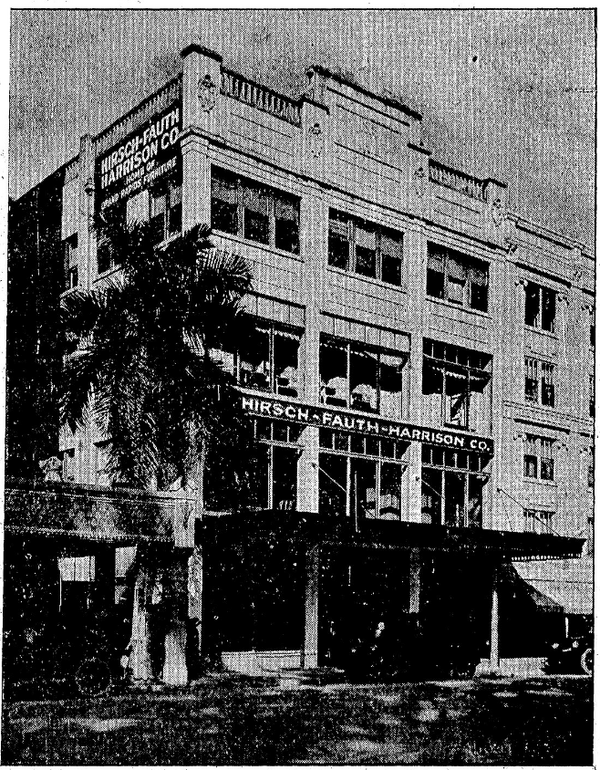
MORI Floating Restaurant
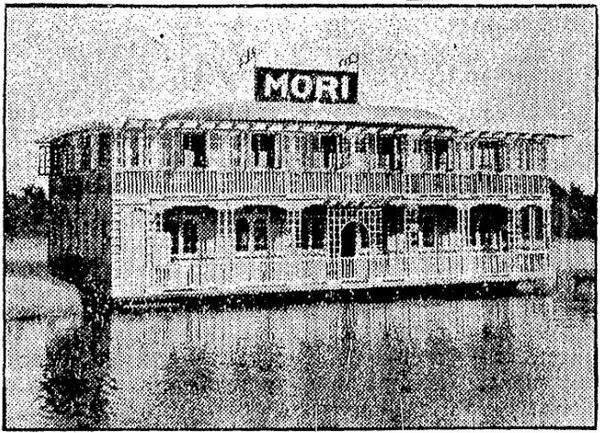
Townsend Block

Office of Dr. James M. Jackson
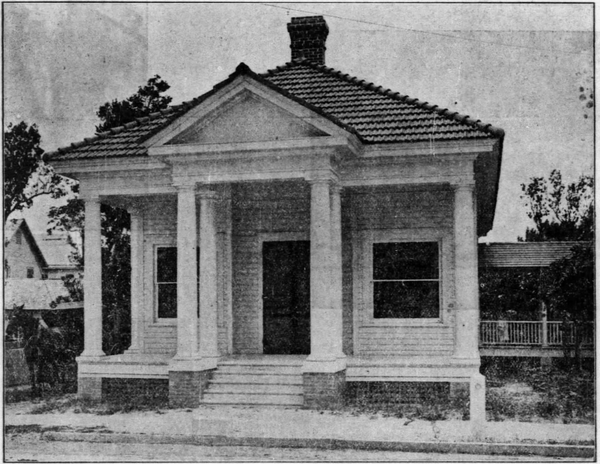
Chase & Co. Warehouse
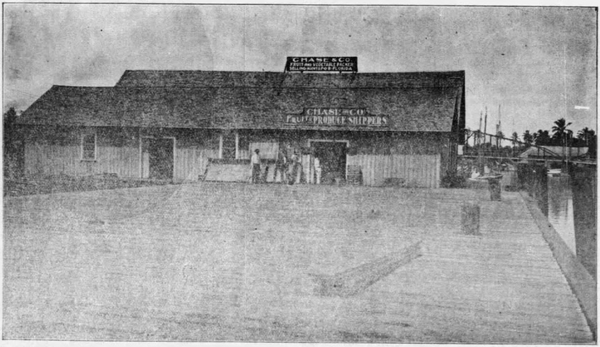
Townley Building

Frank T. Budge
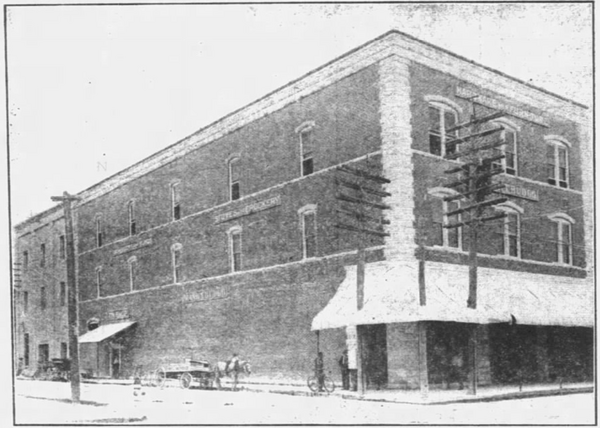
Miami Bank and Trust Company and Board of Trade
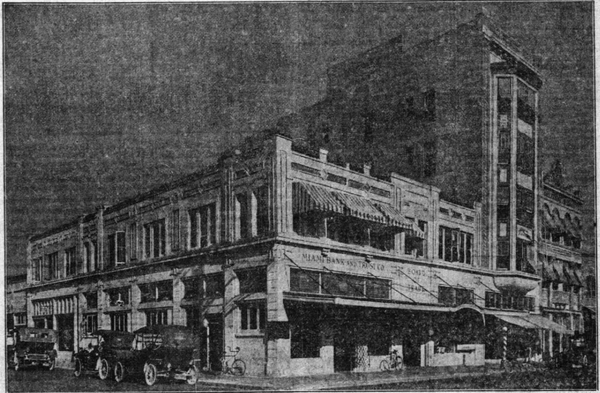
The Southern Bank & Trust

W.G. Perry's Drug Store
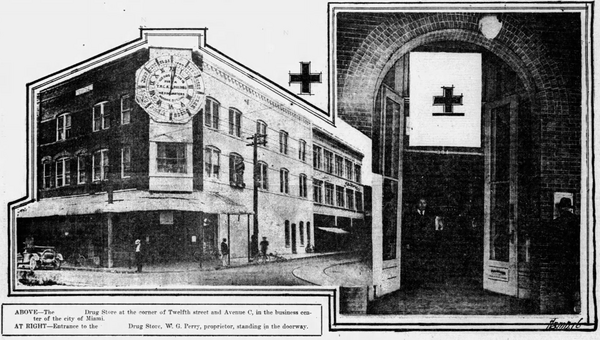
Henderson Building

Ralston Building
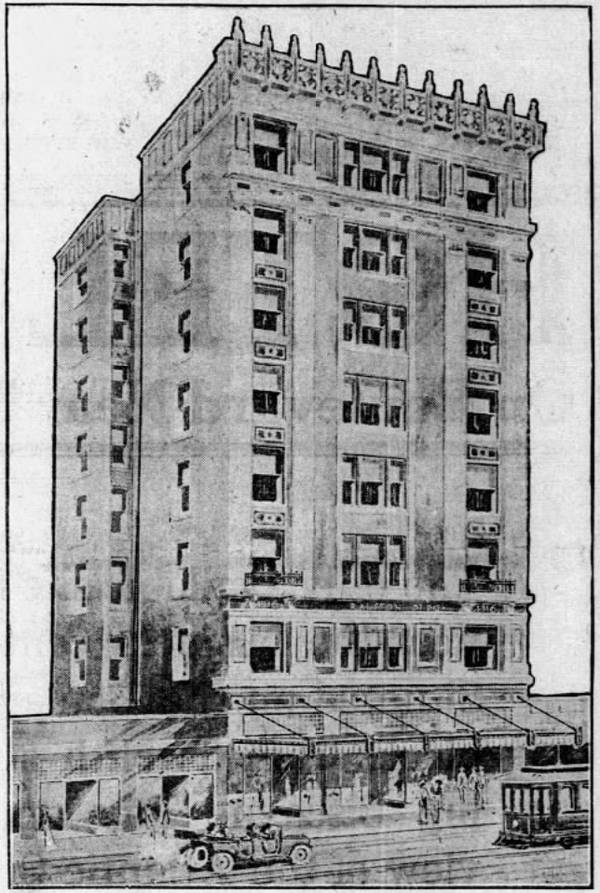
Harrison's Photography Studio
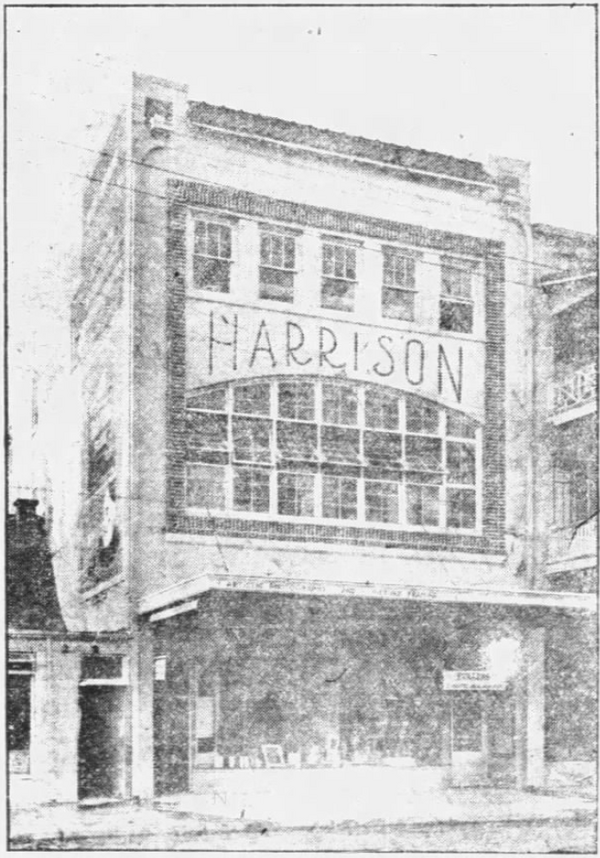
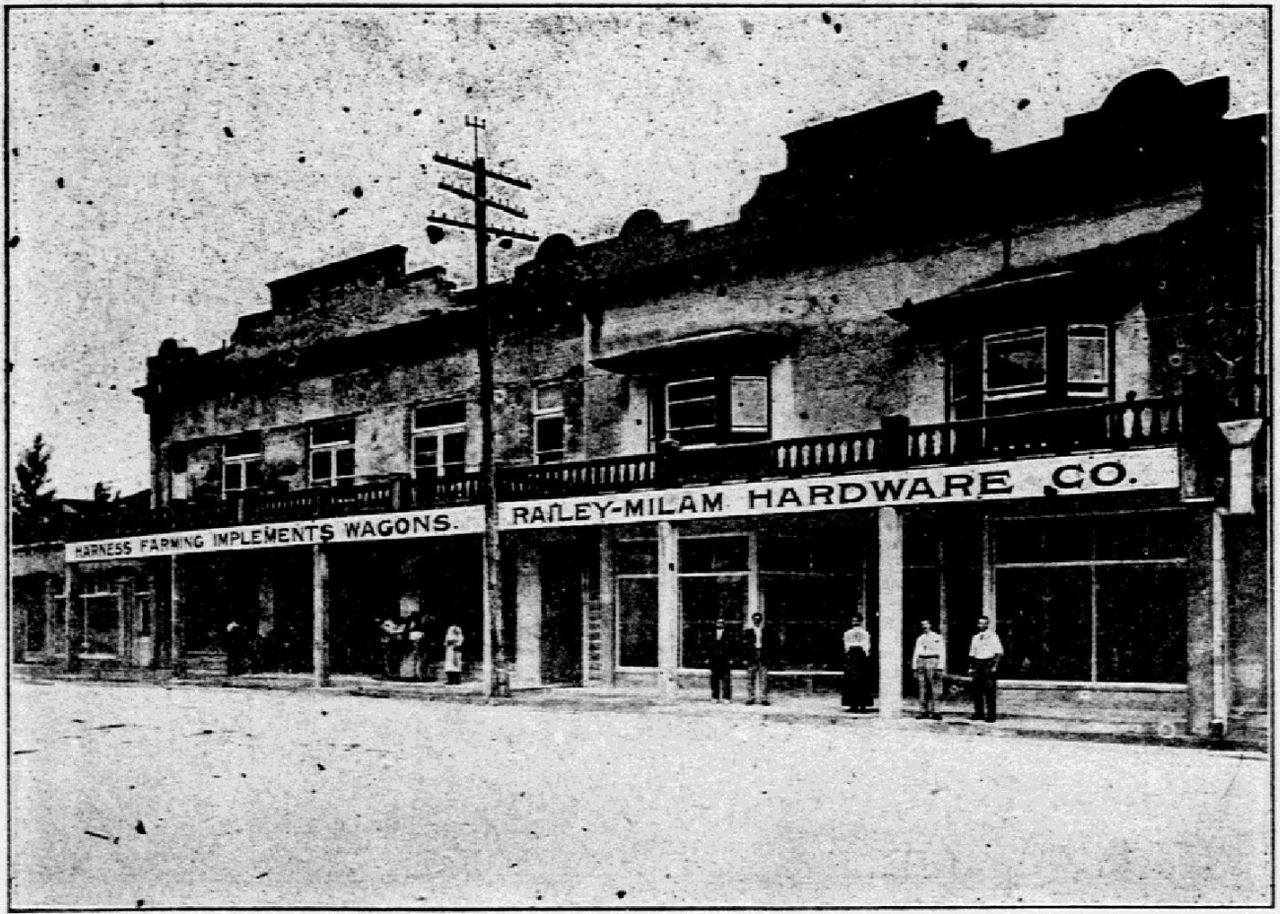
Riley-Milam Hardware Company
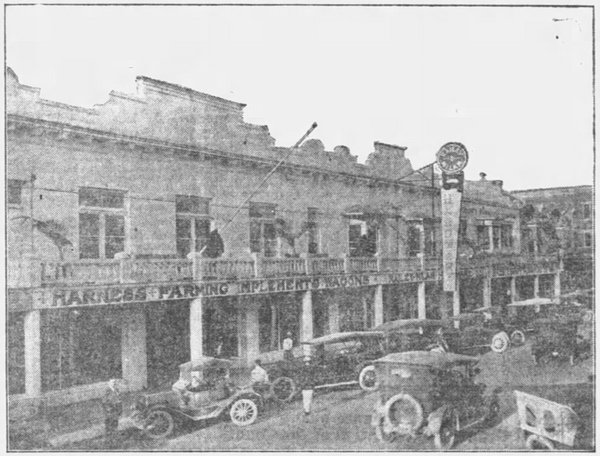
Burdine's Department Store


Miami Auto Supply Company
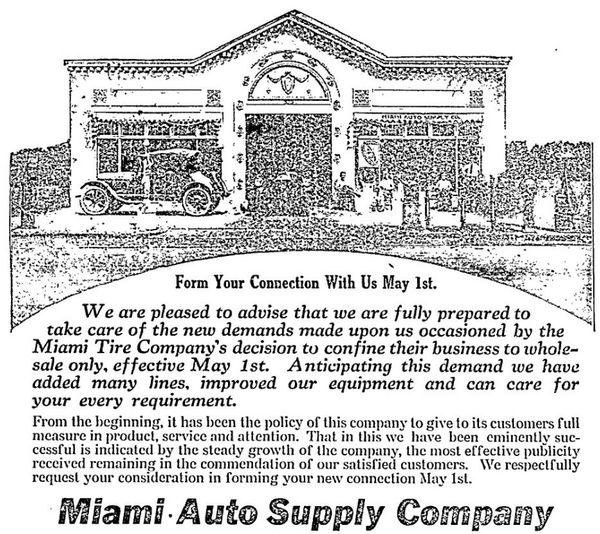
Miami Studios Incorporated
North Miami Ave and 4th St Building
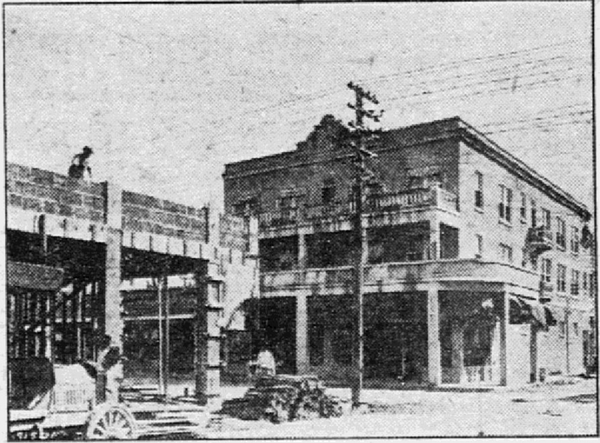
Mason Tires
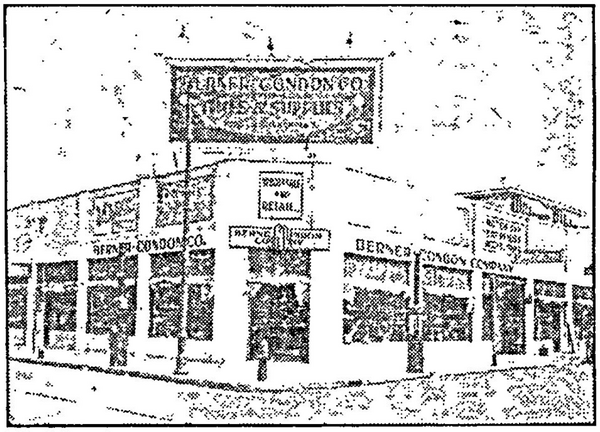
Seybold Building
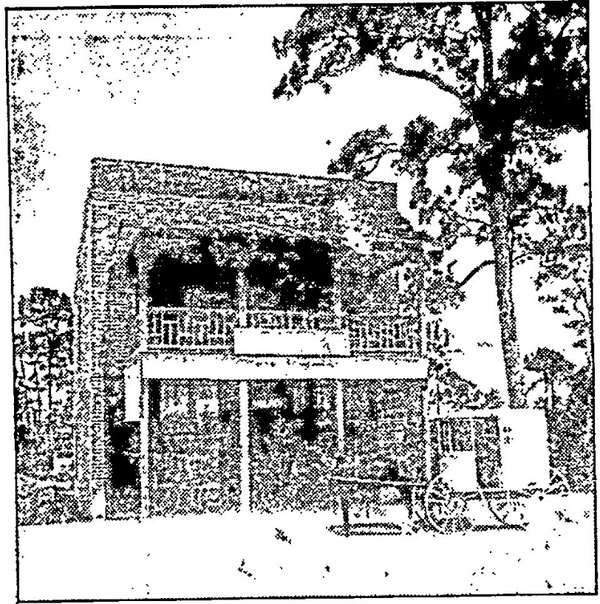

Bank of Buena Vista
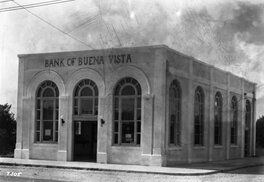
Bank of Coral Gables
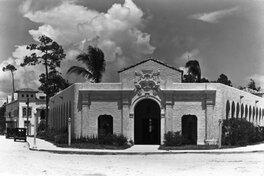
Cement Block Plant
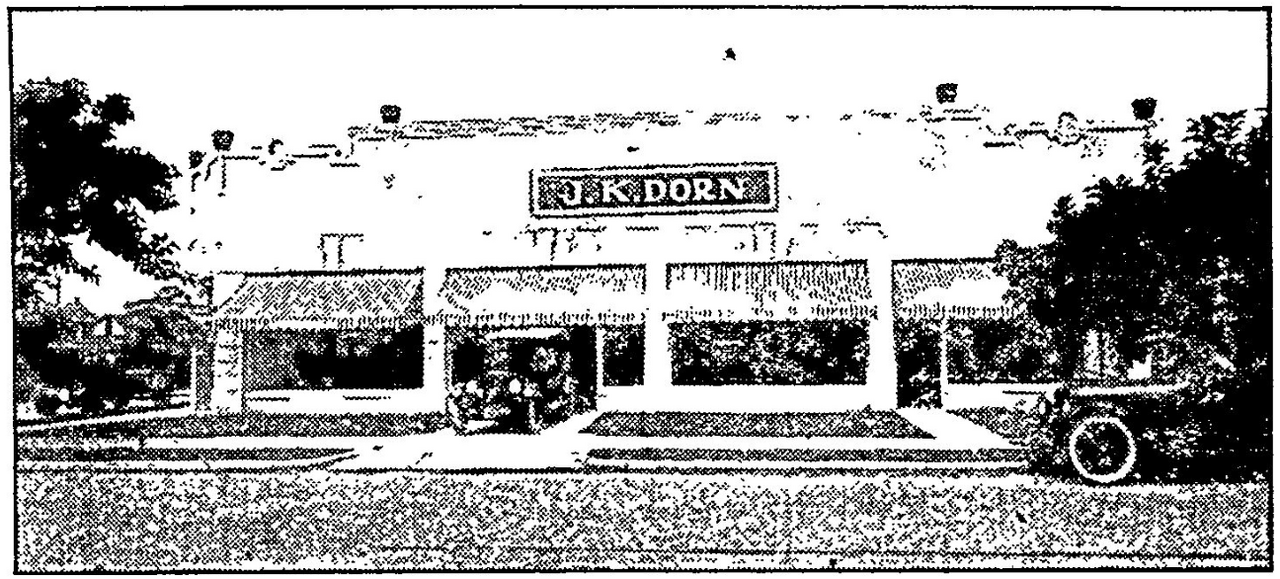
J.K. Dorn Dealership
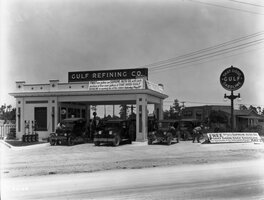
Gulf Refining Co.
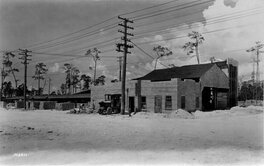
Ullendorf Block
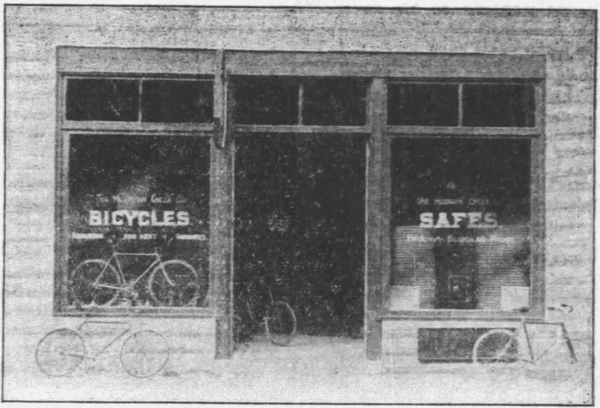
Magnolia Grocery Company Store
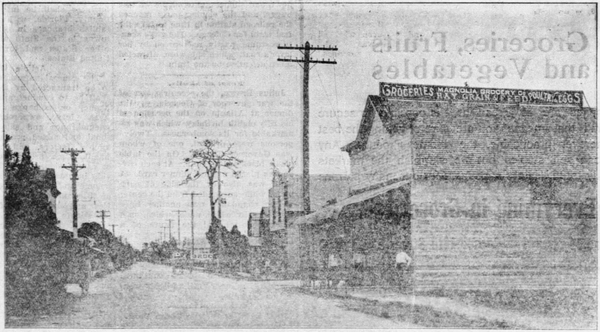
Sewell Building
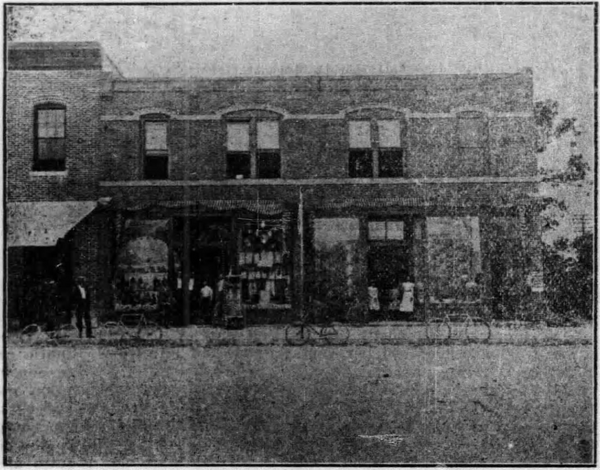
Frissell Building

The Miami Laundry
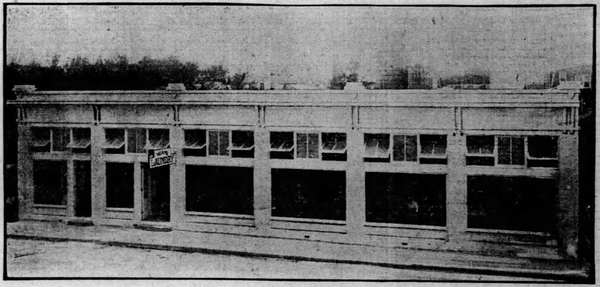
J. Austin Hall Office
*Link includes some other properties apparently owned by Austin Hall - "Miami The City of Destiny"*
Miami Savings Bank
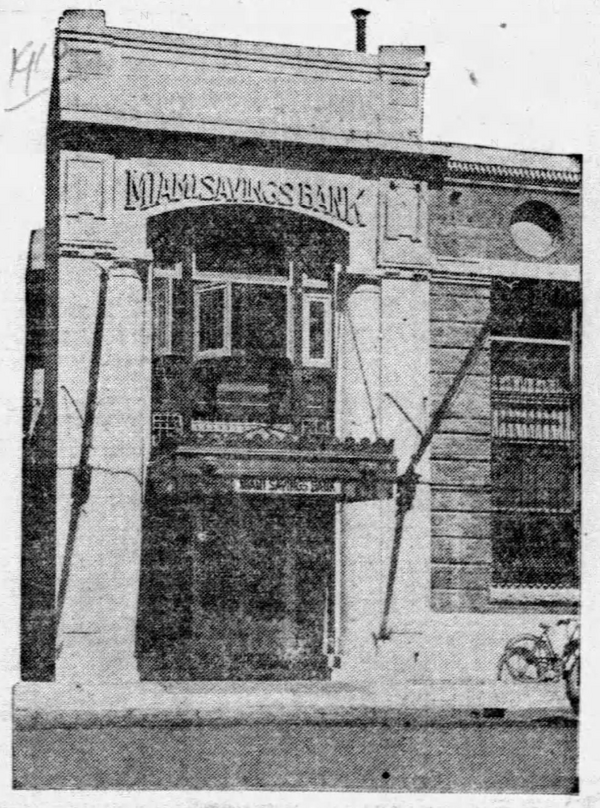
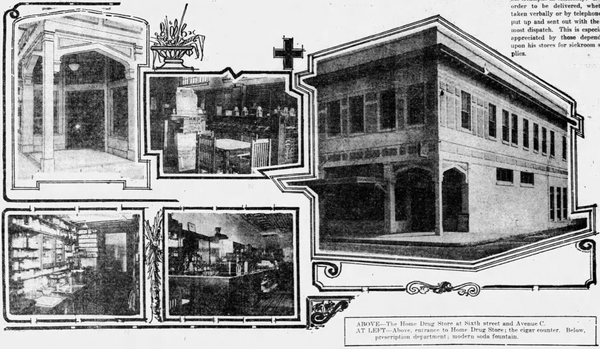
Home Drug Store
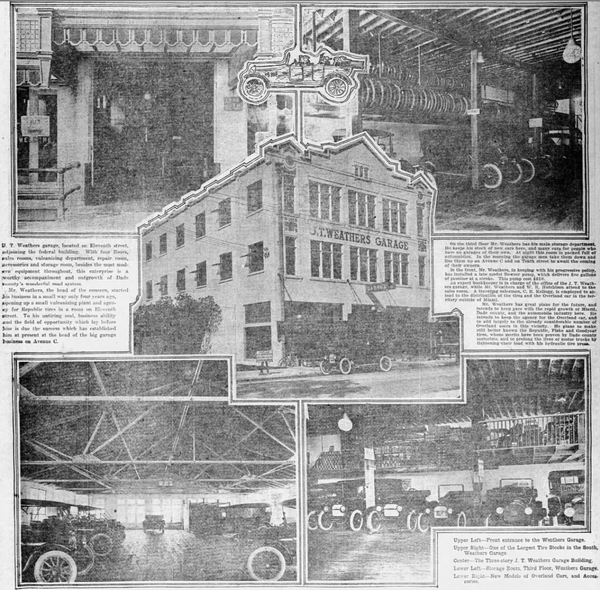
J.T. Weathers Garage
Sewell Brothers Store

Fisher Bath House
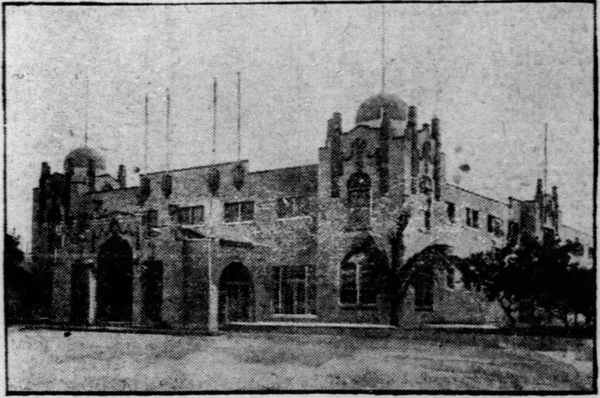
Civic Building Typology
Early civic structures in Miami were modest and practical. The 1920s boom brought the first monumental courthouses, city halls, and post offices, mostly in Neoclassical and Mediterranean Revival styles meant to project permanence and pride. Federal investment in the 1930s added more public works. As the city grew, many civic functions moved into adapted buildings rather than purpose-built ones. In the later 20th century, modern government centers, libraries, and cultural complexes reshaped downtown. Today, museums, performing arts centers, and public spaces carry the civic role forward, putting more emphasis on culture and the waterfront.
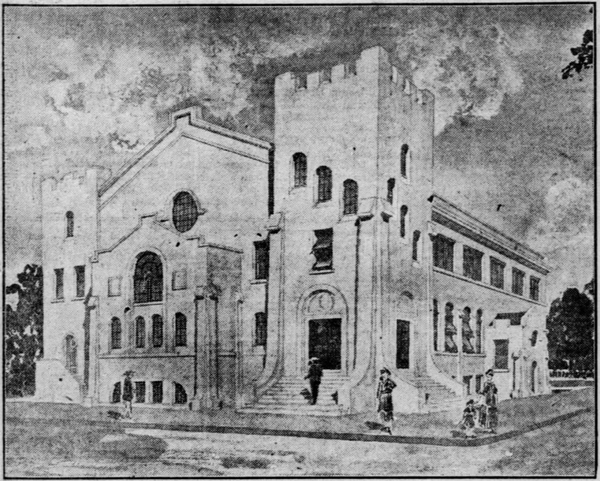
First Baptist Church
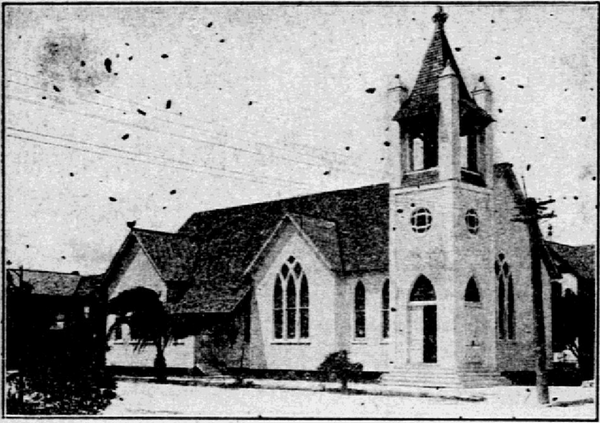
Miami's School / Central Grammar School
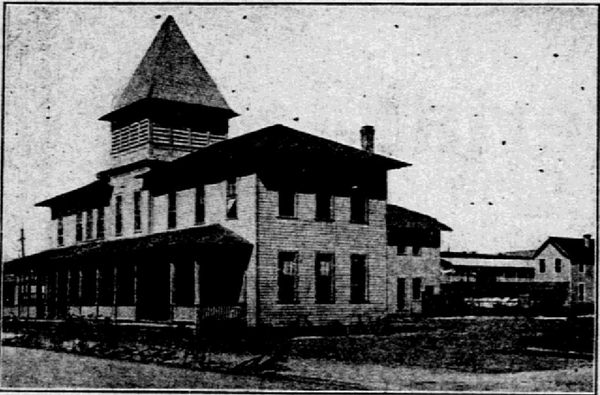
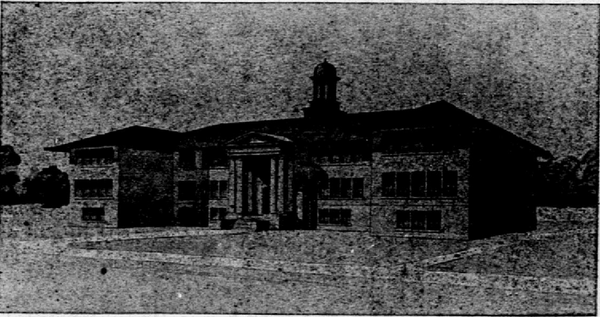
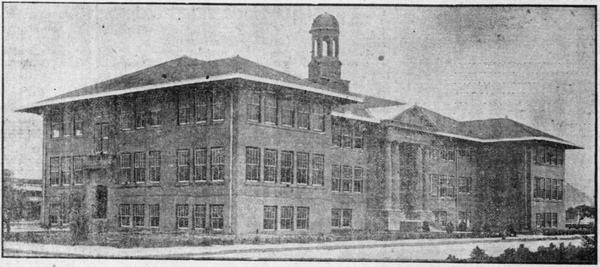
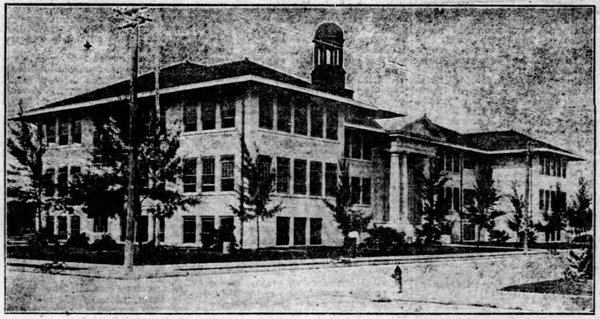
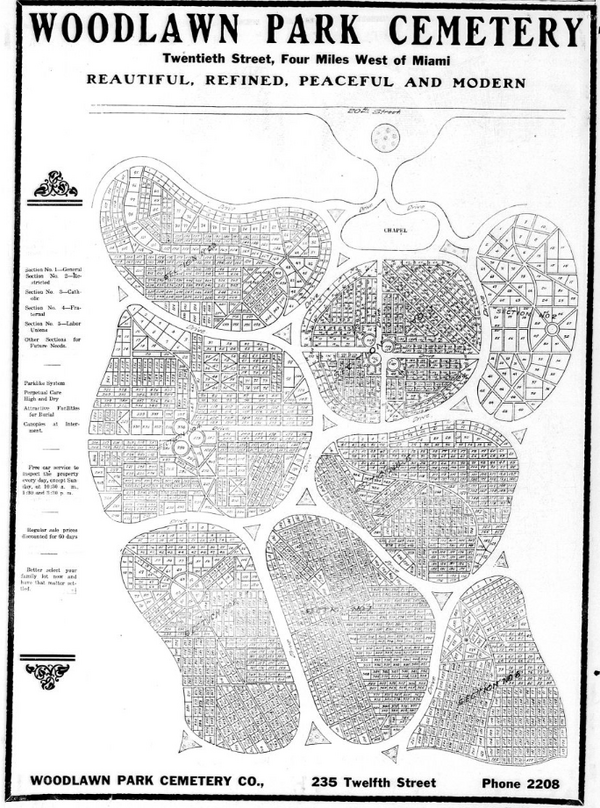
Woodlawn Park Cemetery Plan
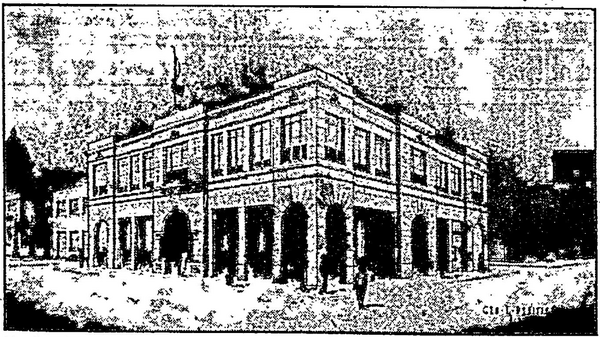
Proposed Municipal Vegetable Market
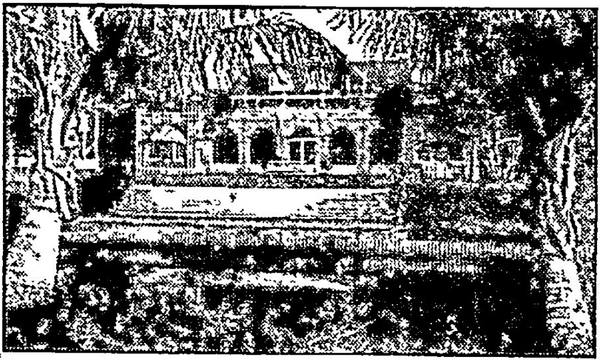
Miami Beach Golf Co
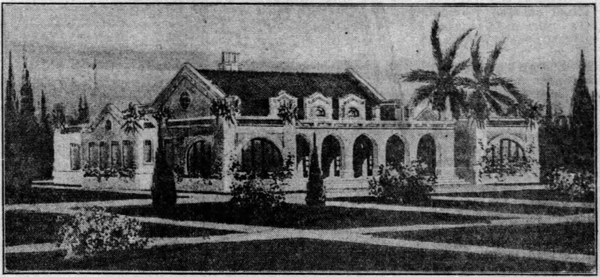
Coconut Grove Christian Scientist Church

The Funeral Home

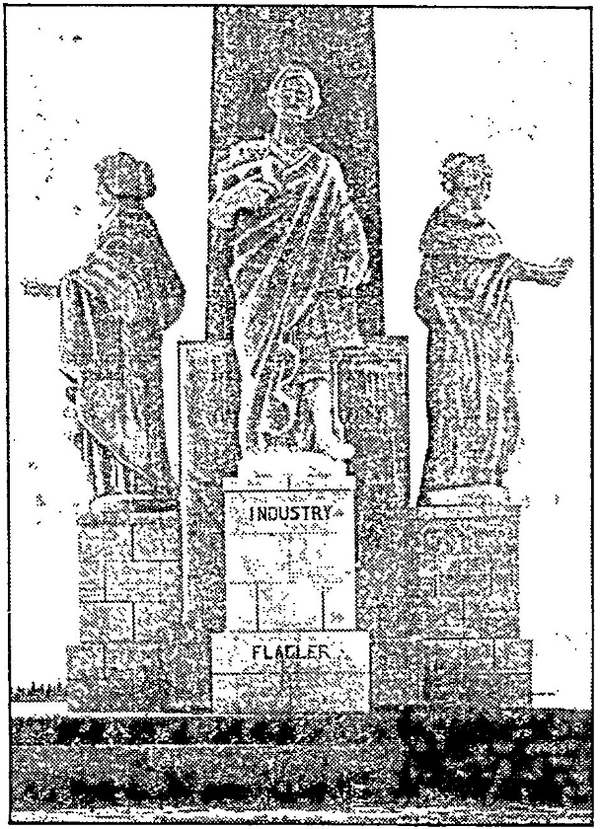
Flagler Memorial
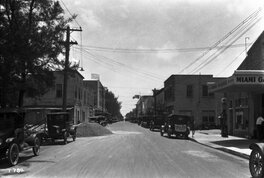
NW 3rd St
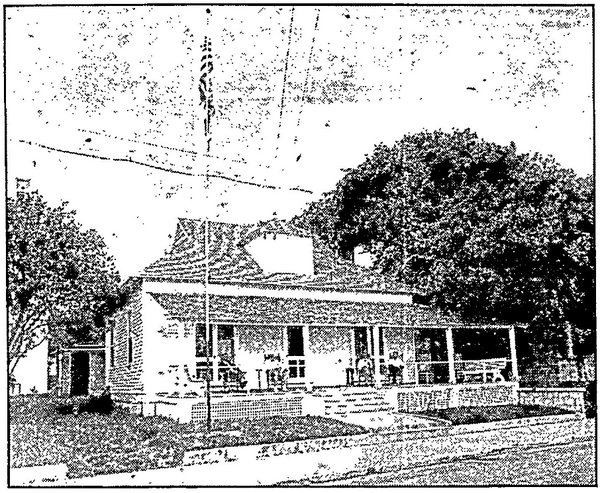
YWCA Building

Anglers' Club
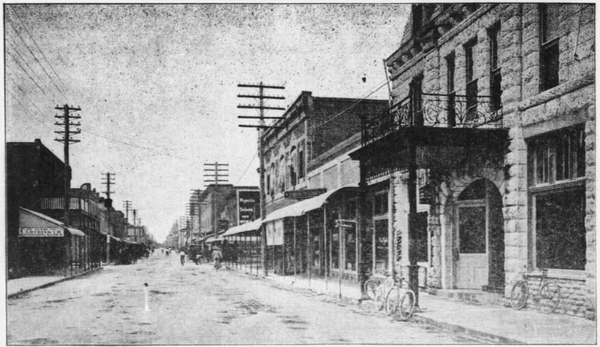

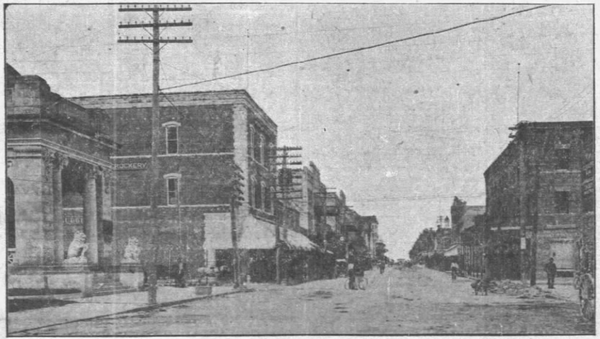
Lemon City Methodist Church
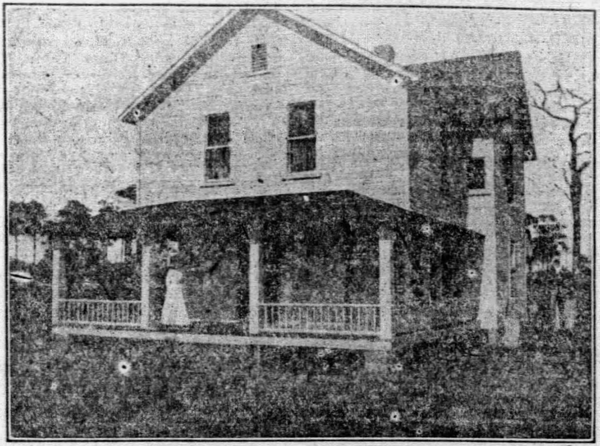
Miami Beach Pavilion

Miami High School
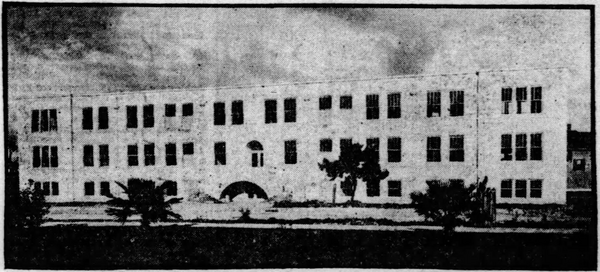
Orange Glade Graded School
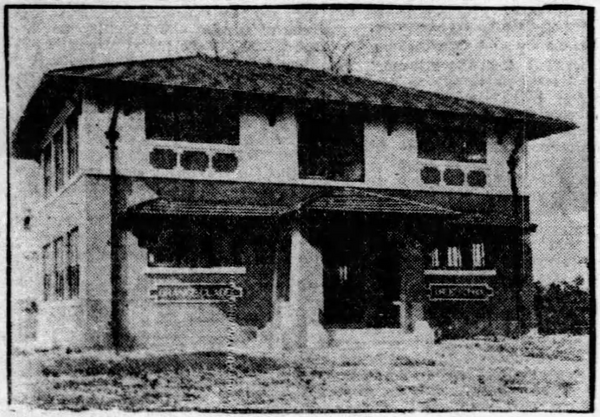
Trinity Methodist Church
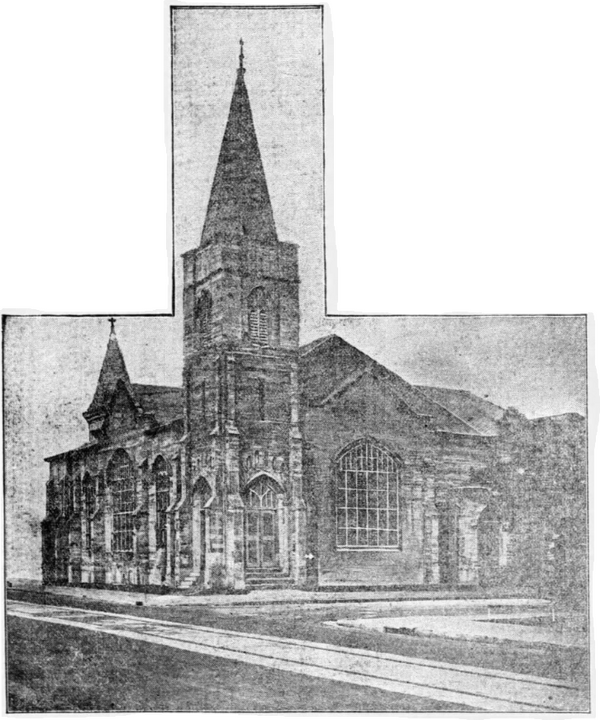
YMCA Building
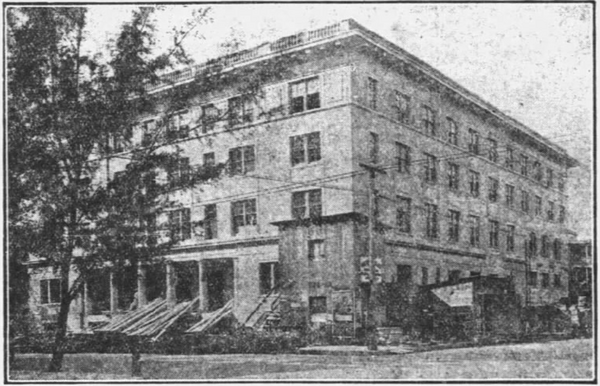
Trinity Episcopal Church
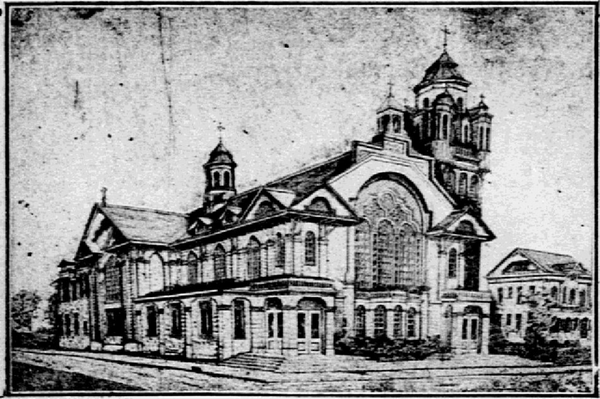
The Miami Club
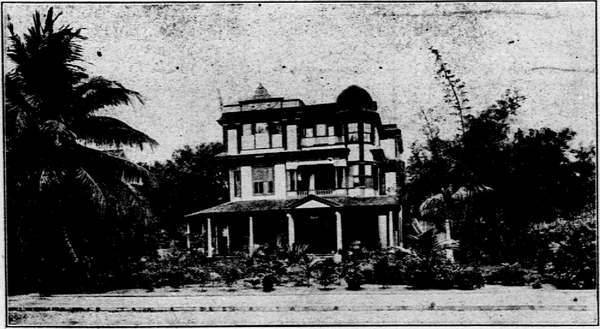
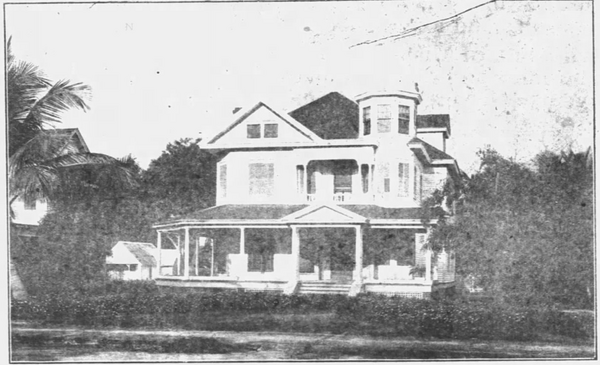
Fort Dallas / Seminole Club Building
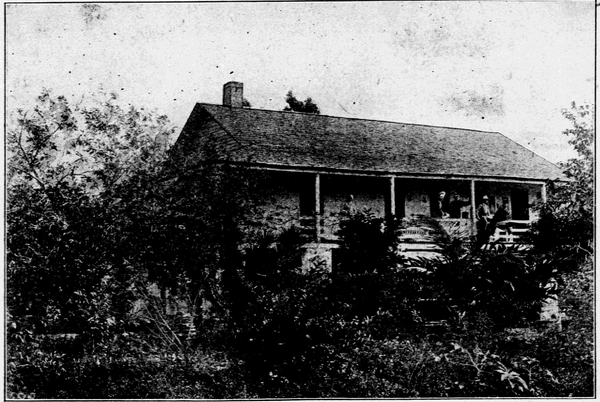
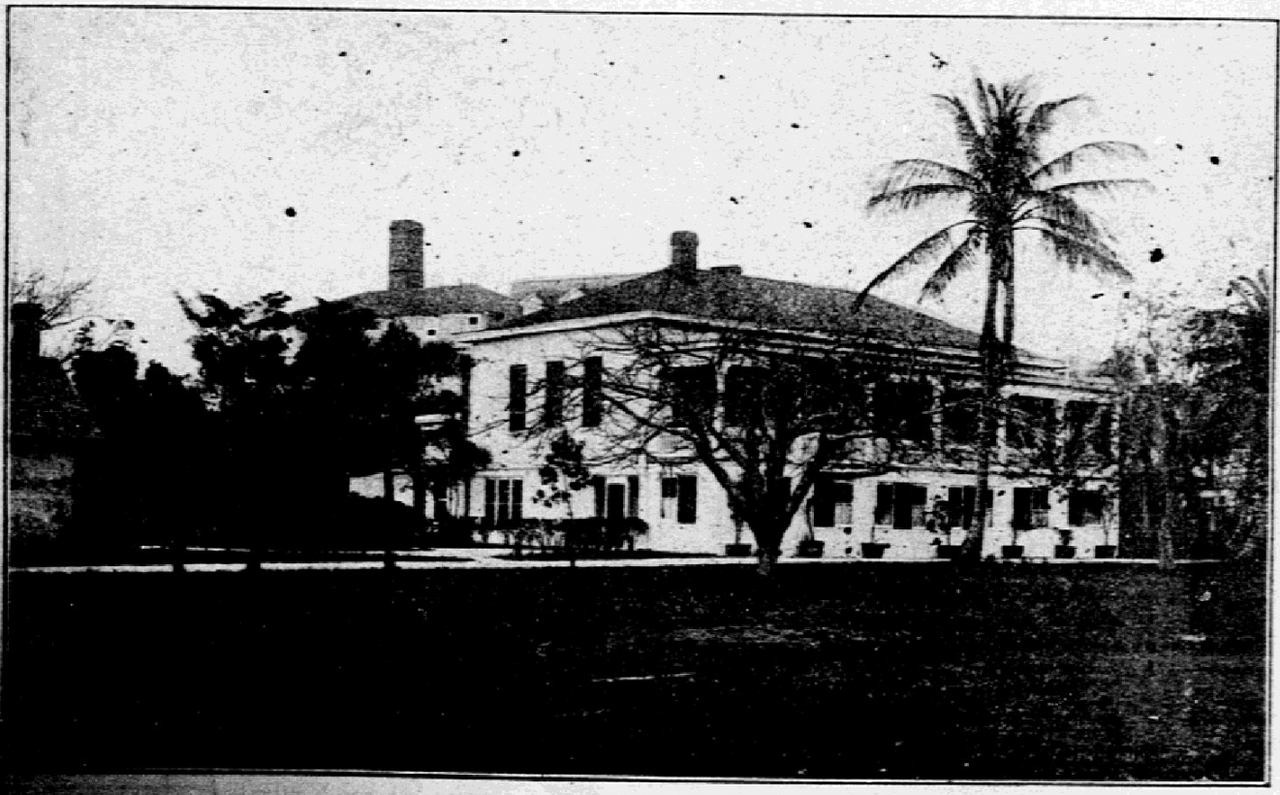
Dade County Agricultural High School

Plymouth Congregational Church
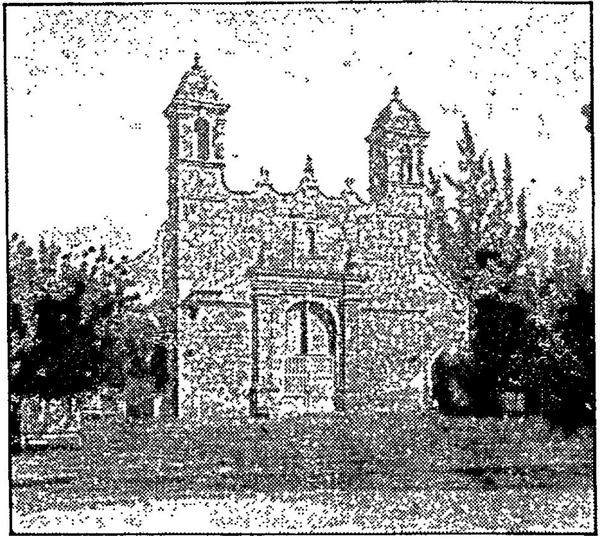
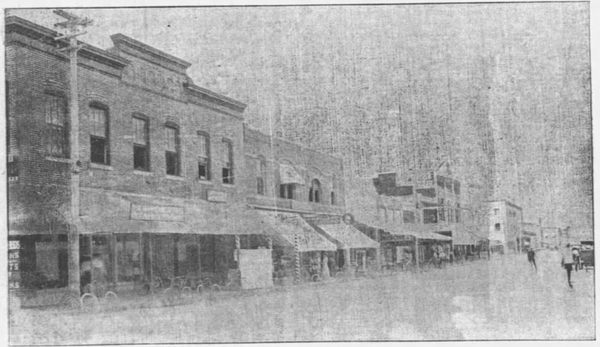
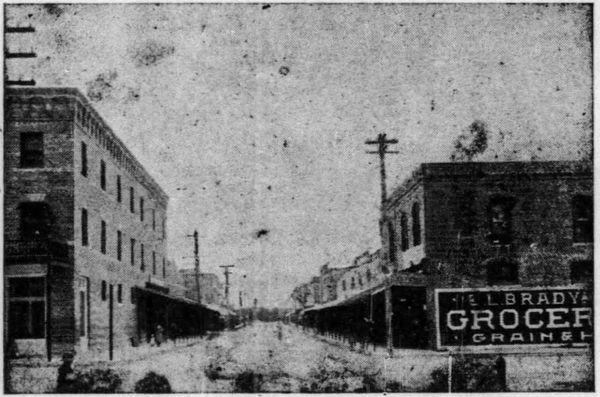
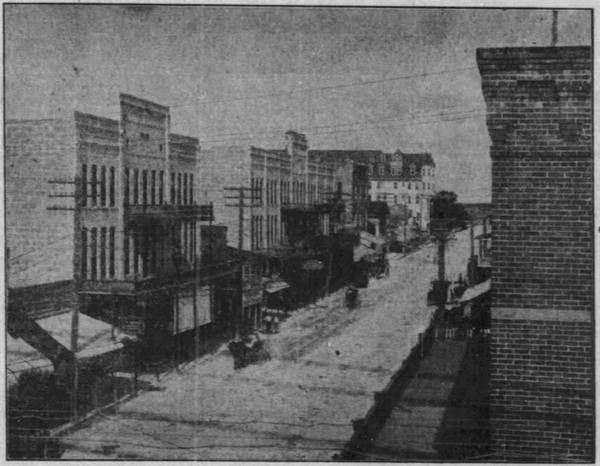
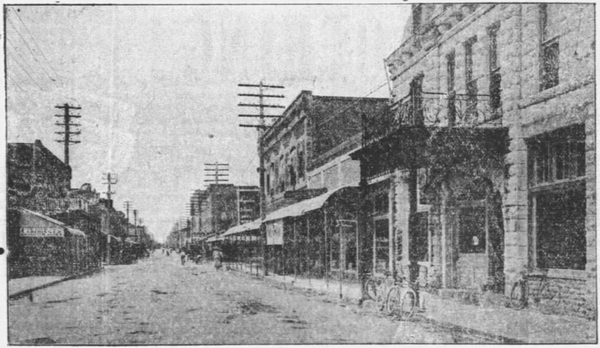
Miami Avenue
Twelfth Street
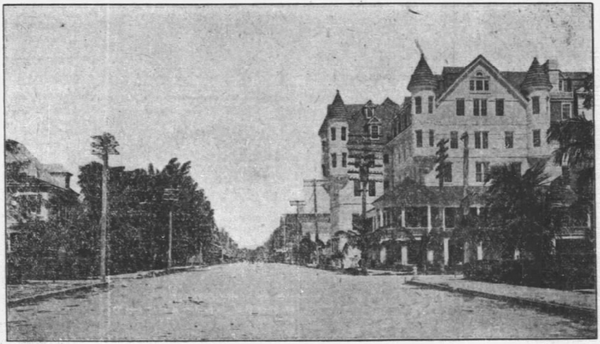
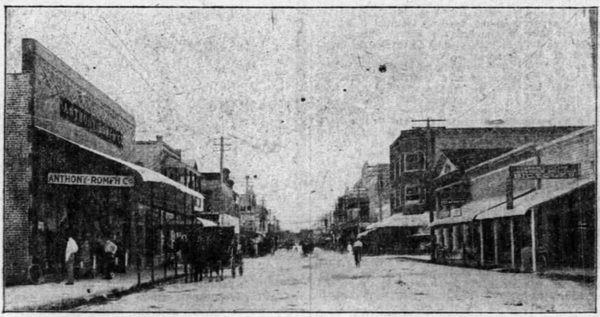
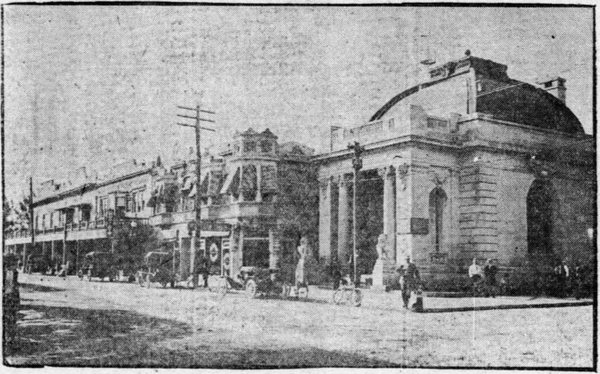
Buena Vista Graded School
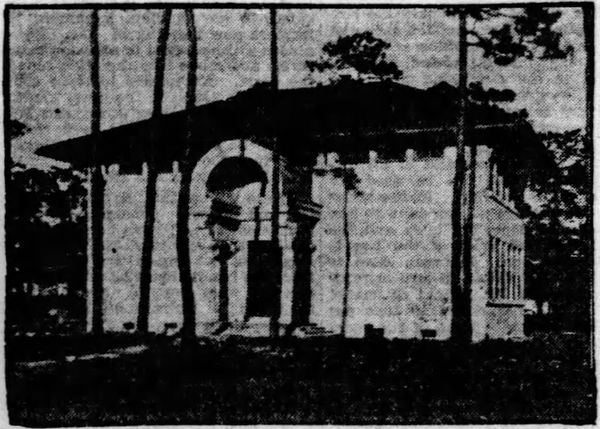
Riverside Graded School
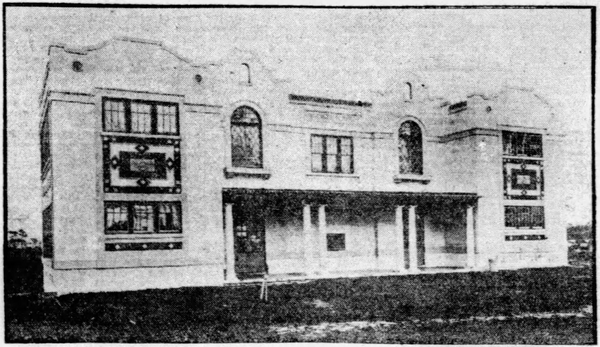
Southside Graded School
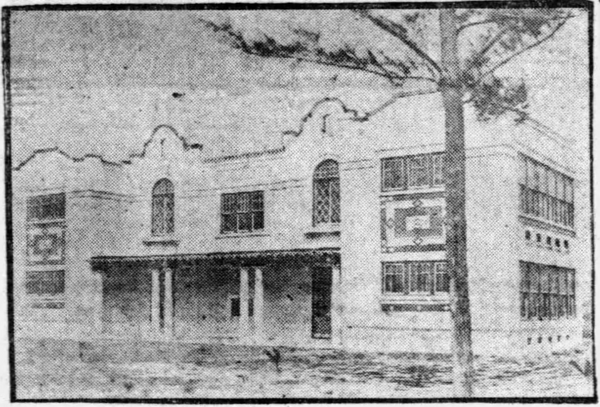
Methodist Church
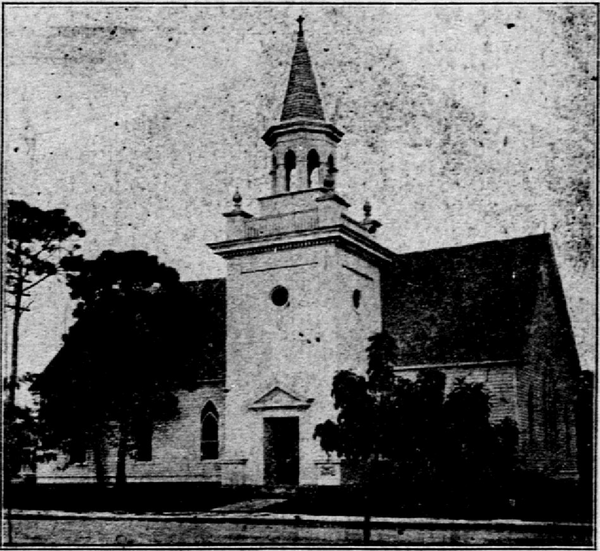
Central Fire Station and City Hall
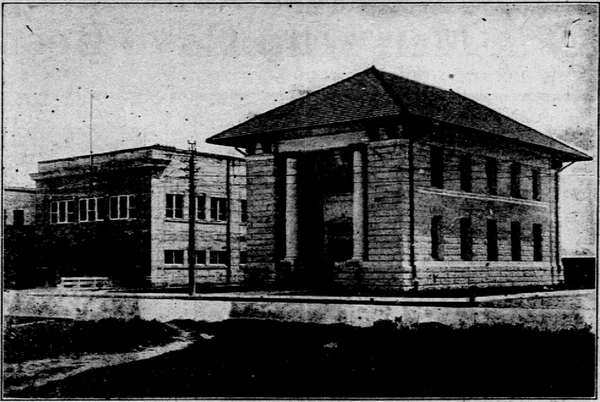
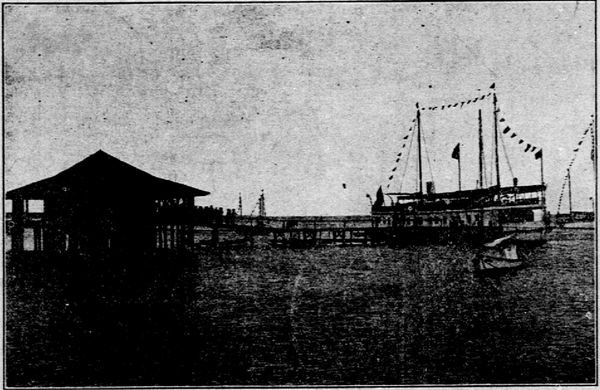
Biscayne Bay Yacht Club
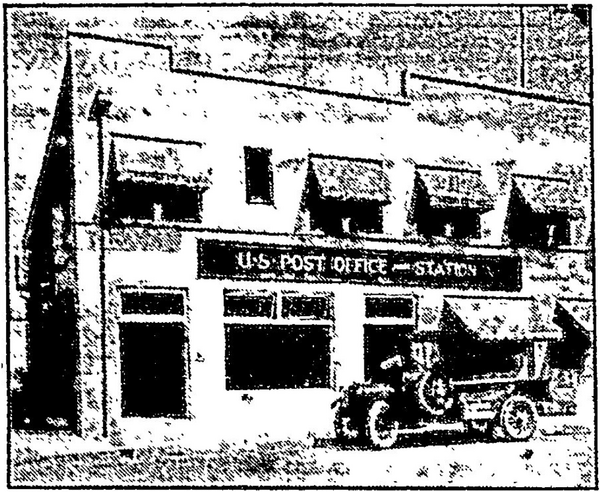
US Post Office Buildings
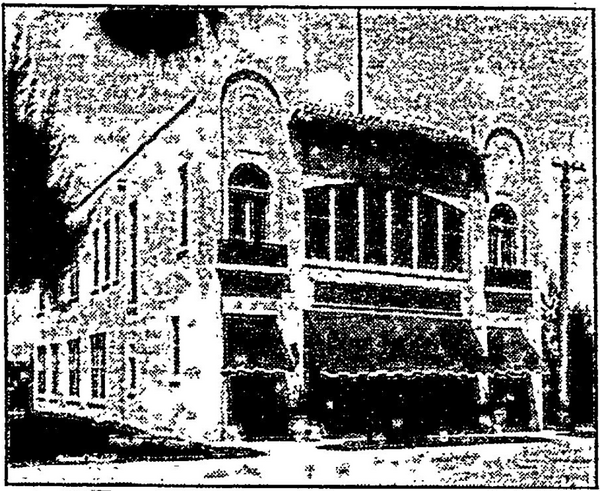
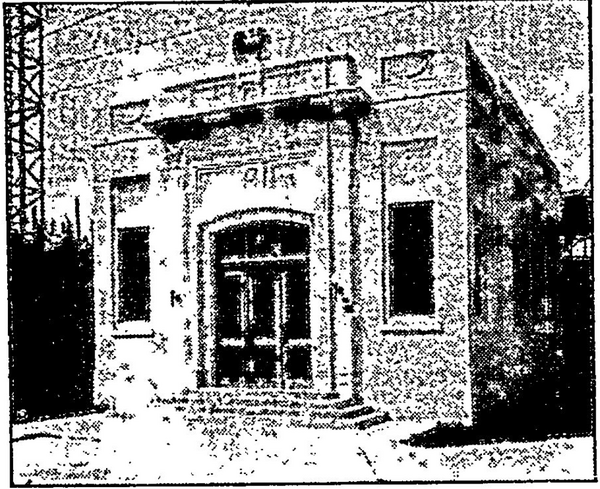
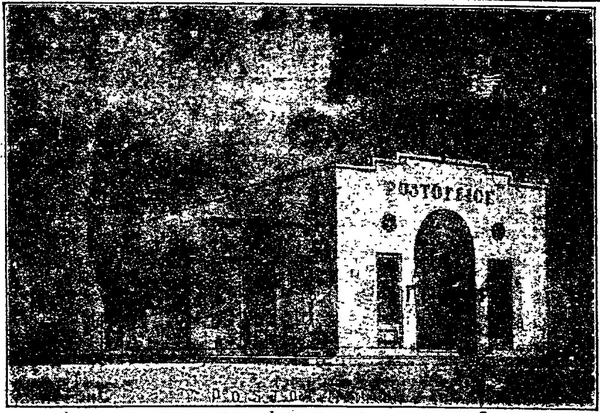
"The Big Tent" Evangelical Church

Country Club

Community Church
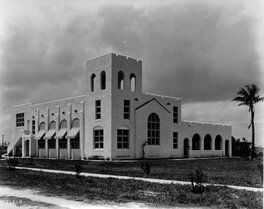
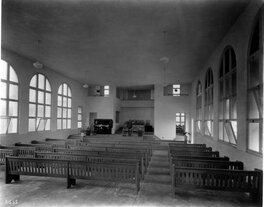
School Building in Hialeah

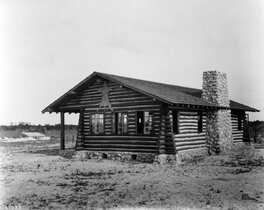
Presbyterian Church
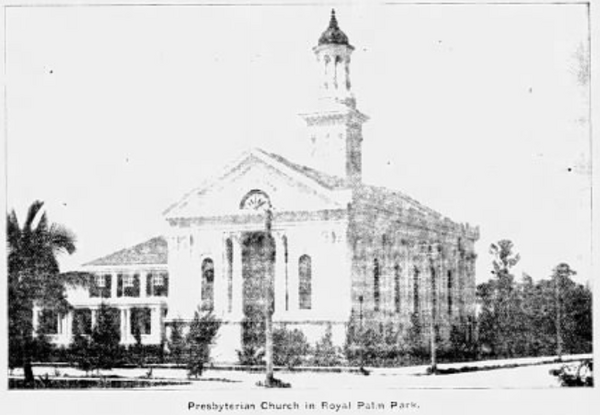
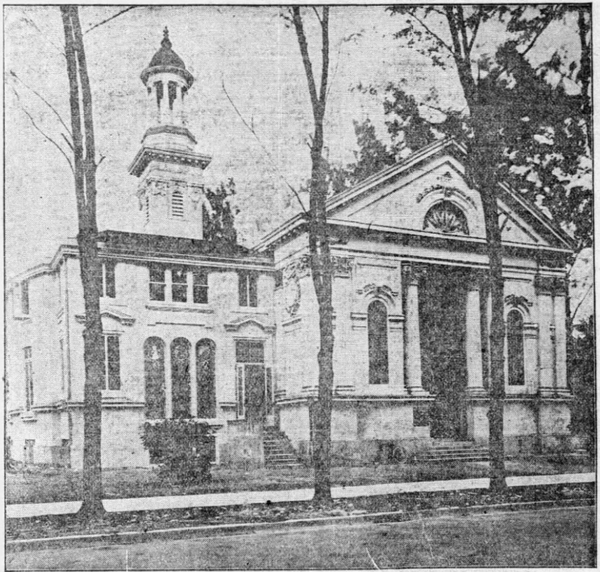
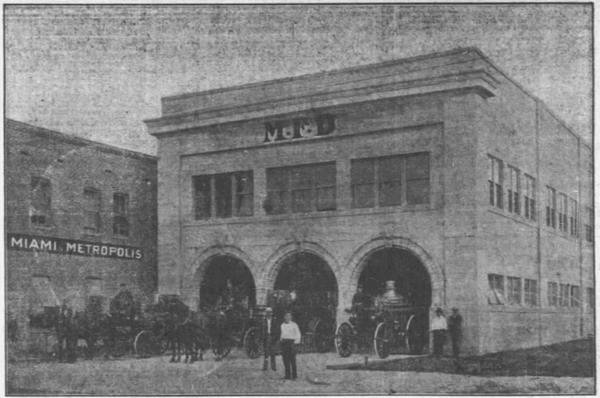
Miami Fire Department Headquarters
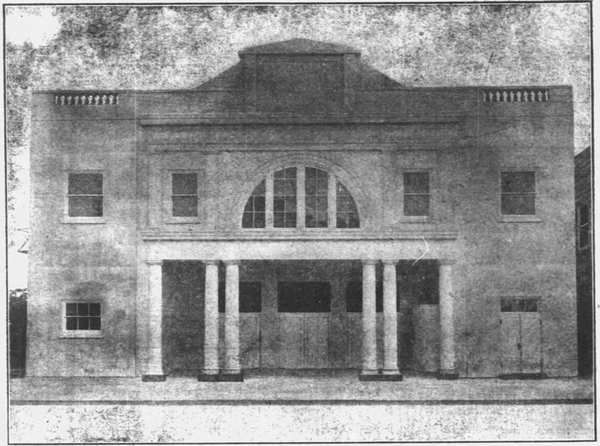
The Lyceum Theatre
Woman's Club and Public Library
*Link might include important articles*
Elks' Home
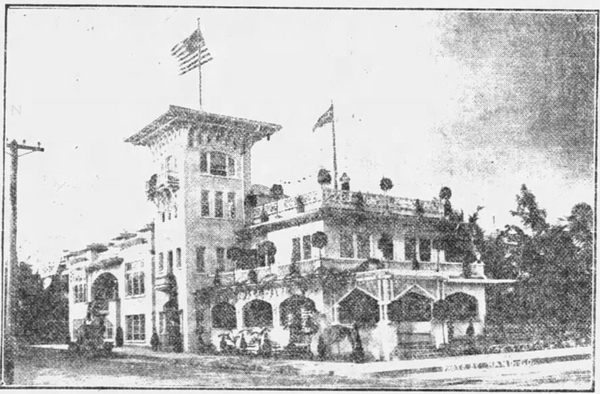
"The White Temple" First Methodist Church
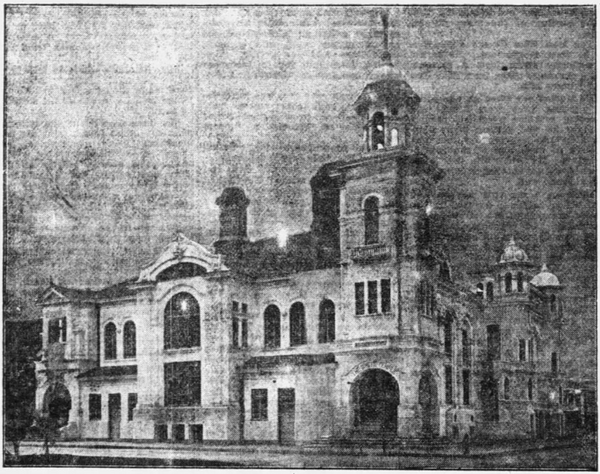
Highland Park Graded School
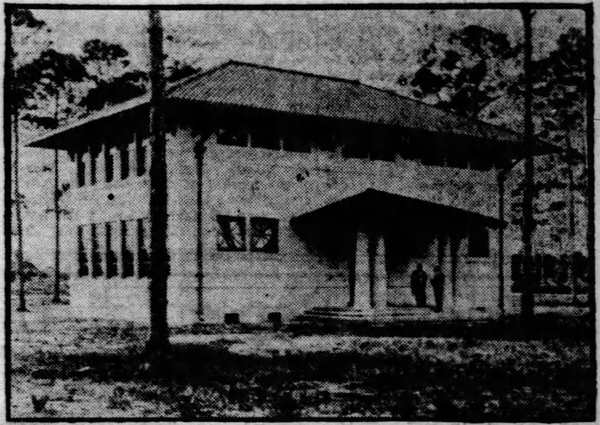
Allapattah Graded School
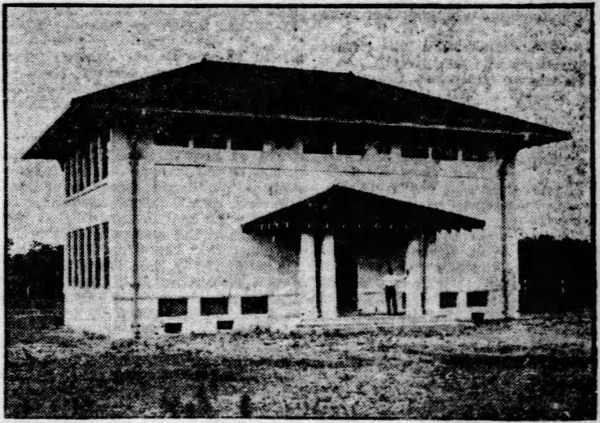
First Christian Church
Understanding the Guide
The guide is categorized by housing typology. Each category includes an extensive list of examples of buildings from that typology that existed in the City of Miami before 1926. Images, links to newspaper arcicles, and other primary sources are included for each building.
For more information or access to physical sources, please consult the Richter Library or the Architecture Research Center.
Note from the Author
We welcome you to explore the architecture and urban development of the young, sub-tropical city of Miami. The marketing of Miami as a vacation city contributed to establishing its unique identity.
These resources are meant to be used for potential housing typology case studies that enable the study of urban and architectural transitions in the City of Miami.
The intention of this project is to inspire conversations on the subject of Miami, to provide a place to admire and criticize how our architectural patterns have changed, evolved, been forgotten, and been upgraded, all in advancement of a brighter future.
Created by Sebastian Serrano, B.Arch 2025
Resources
Following is a list of resources used to find the buildings hereby presented. Feel free to explore these sources yourself to get access to the original images or more specific information you may be interested in.
Miami Herald Archives
Local and regional news, including community events, schools, politics, government policies, cultural activities, local companies, state industries, and people in the community.
Florida Digital Newspaper Library
Over 700,000 pages of historic and current Florida newspapers in the FDNL are openly and freely available with zoomable page images and full text.
A gateway to select Internet resources licensed by the State of Florida for Florida Public Library patrons. Available resources include electronic magazines, newspapers, almanacs, encyclopedias, and books, providing information on topics such as current events, education, business, technology, and health issues. The Florida Electronic Library offers information for all age groups, including homework help for students and resources for teachers.
Provides digital versions of the backfiles of major scholarly journals. Primarily an archival collection, JSTOR does not provide access to the most recent 3-5 years of content for most titles.
Avery Index to Architectural Periodicals (EBSCOHost)
 A Librarian